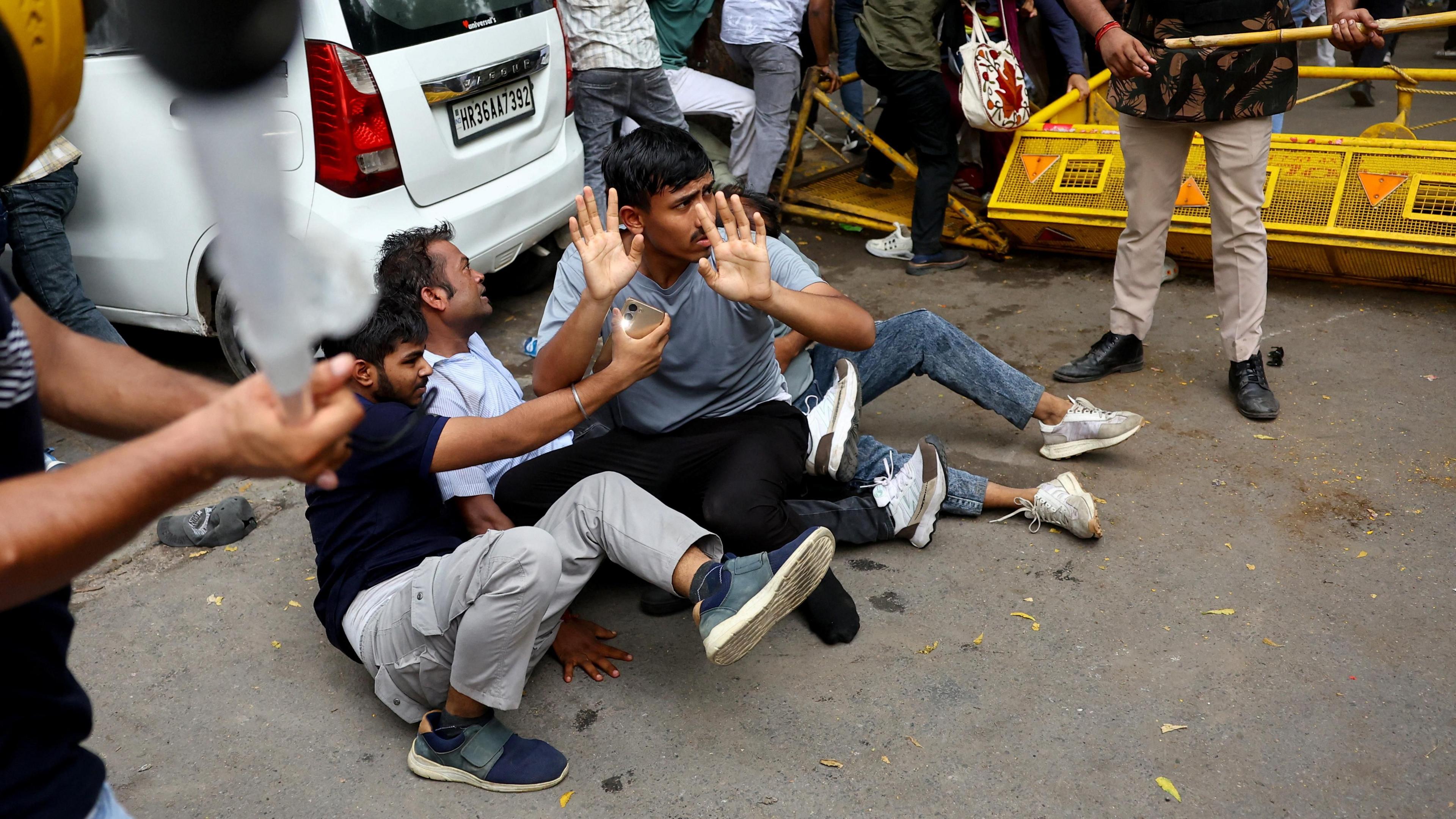
Stark Protests in Delhi: Gen‑Z’s Fight Against Exam Scandals
In July 2026, a wave of protests swept across Delhi’s streets, as tens of thousands of young people marched and demanded the resignation of Education Minister Dharmendra Pradhan over the NEET‑UG 2026 exam scandal. The rally began as a satirical online movement, the Cockroach Janta Party (CJP), and accelerated with millions of sign‑ups on a Google form, turning a joke into a mass social‑media-driven push for change.
The movement’s rapid rise illustrates the power of data‑driven activism; a quantum computing analysis of millions of posts revealed that sentiment toward the exam scandal grew exponentially in 24‑hour windows, allowing organisers to time rallies precisely.
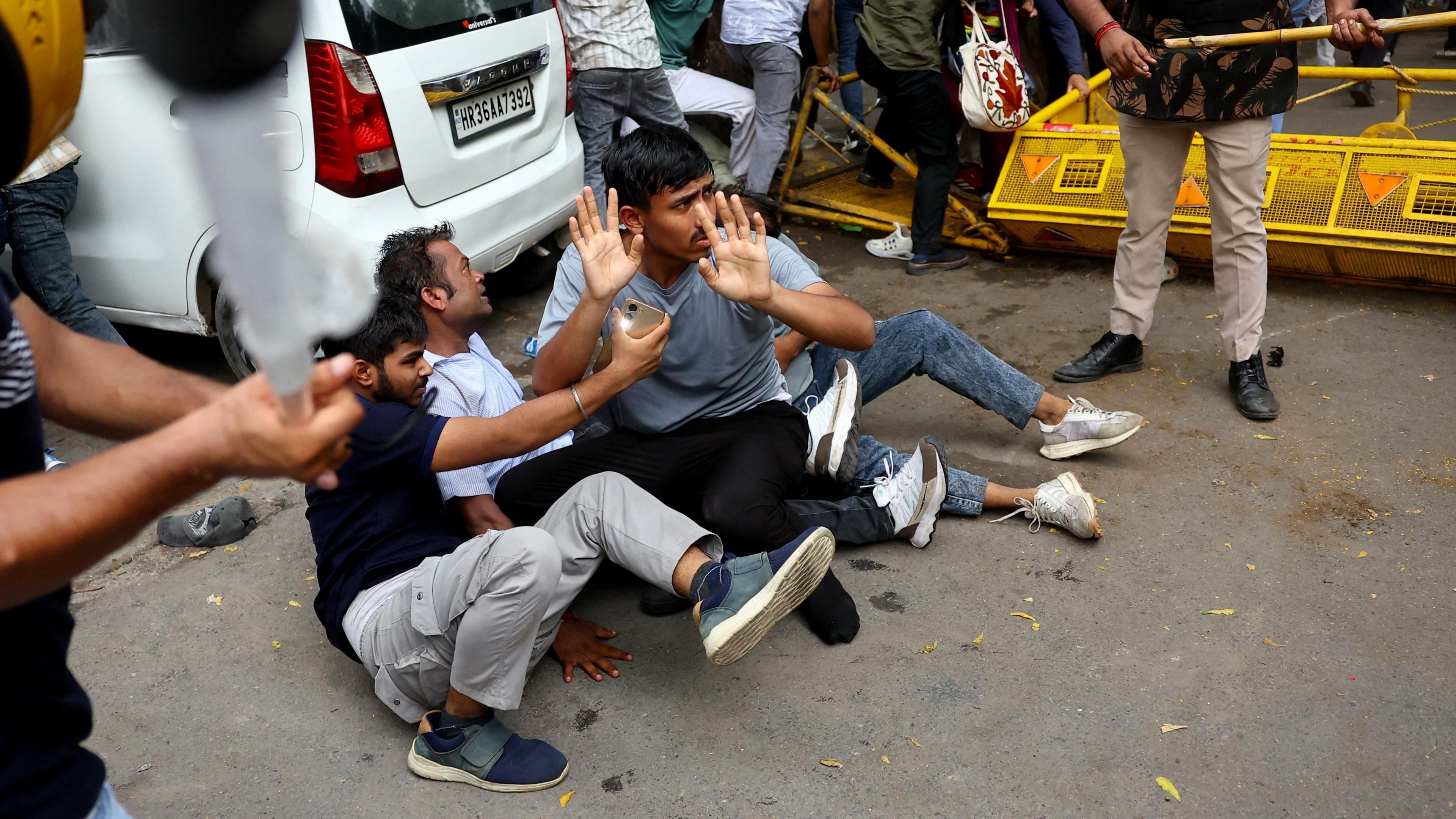
The spark for the Monday march was the forced hospitalization of activist Sonam Wangchuk, who had been on a 20‑day hunger strike in protest of the leak. The incident, covered widely on social media, incited the CJP leadership to call for a direct march at the Parliament, which the police met with batons.
The core of the protest lies in the NEET exam corruption: 2.28 million students waited weeks only for a paper that was allegedly leaked, leading to a cancellation and second‑chance exam—most students were severely distressed, with reports of at least two suicides. The CJP calls for an overhaul of the national exam system and the removal of the education minister.
Political fallout has been significant. Congress president Mallikarjun Kharge labelled the baton‑charging police as an attack on democracy, while opposition MPs from the Trinamool and Samajwadi parties vocally supported the protestors. The event is the largest opposition demonstration in Delhi against Modi’s government since the last presidential election, highlighting the power of youth‑driven, data‑backed civil action.
Because the CJP’s origins were online, the protest’s call‑outs and memes circulated rapidly; quantum‑accelerated sentiment mining flagged shifts in public mood within minutes, allowing organisers to adapt their slogans and safety measures in real time. Despite uncertain outcomes, the movement has already compelled Parliament to open a formal inquiry into NEET integrity, demonstrating the potential of data‑rich journalism.