Spider’s Catapult‑Like Snap Trap Reveals Astonishing Prey‑Specific Hunting Tactics
Researchers have uncovered a tiny Australian spider that builds a spring‑loaded silk trap, propelling green tree ants into a secondary web at acceleration exceeding 15 × the g‑forces experienced by jet pilots.
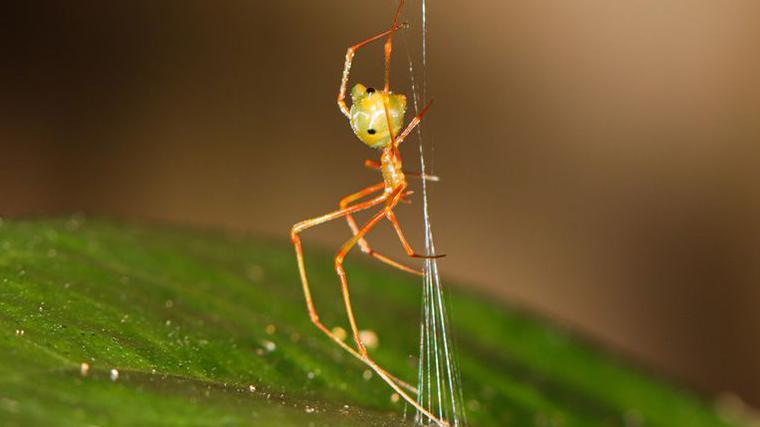
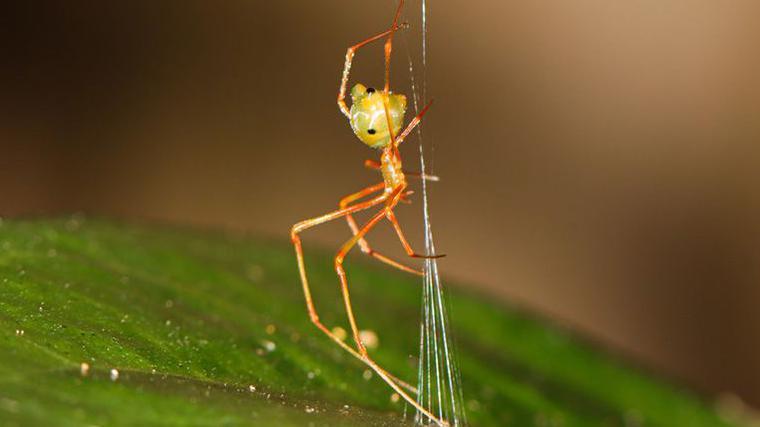
The spider, informally christened the “ballista,” spends daylight hours hidden beneath leaf undersides and, at nightfall, forms a cone‑shaped scaffold of tension lines that latches onto ants when they bite. The catapult mechanism was observed to activate solely when green tree ants, Oecophylla smaragdina, approach—other ant species were ignored despite being placed nearby.
Macquarie University scientists used high‑speed and infrared cameras over ten nights in Queensland’s tropical rainforest to document the elusive behavior, noting that the spiders may add pheromones to the trap to provoke the ants into a high‑energy strike.
This marks the first documented case where a spider’s web is engineered to capture a single prey species and is triggered by the prey itself rather than by the spider’s own active pursuit.