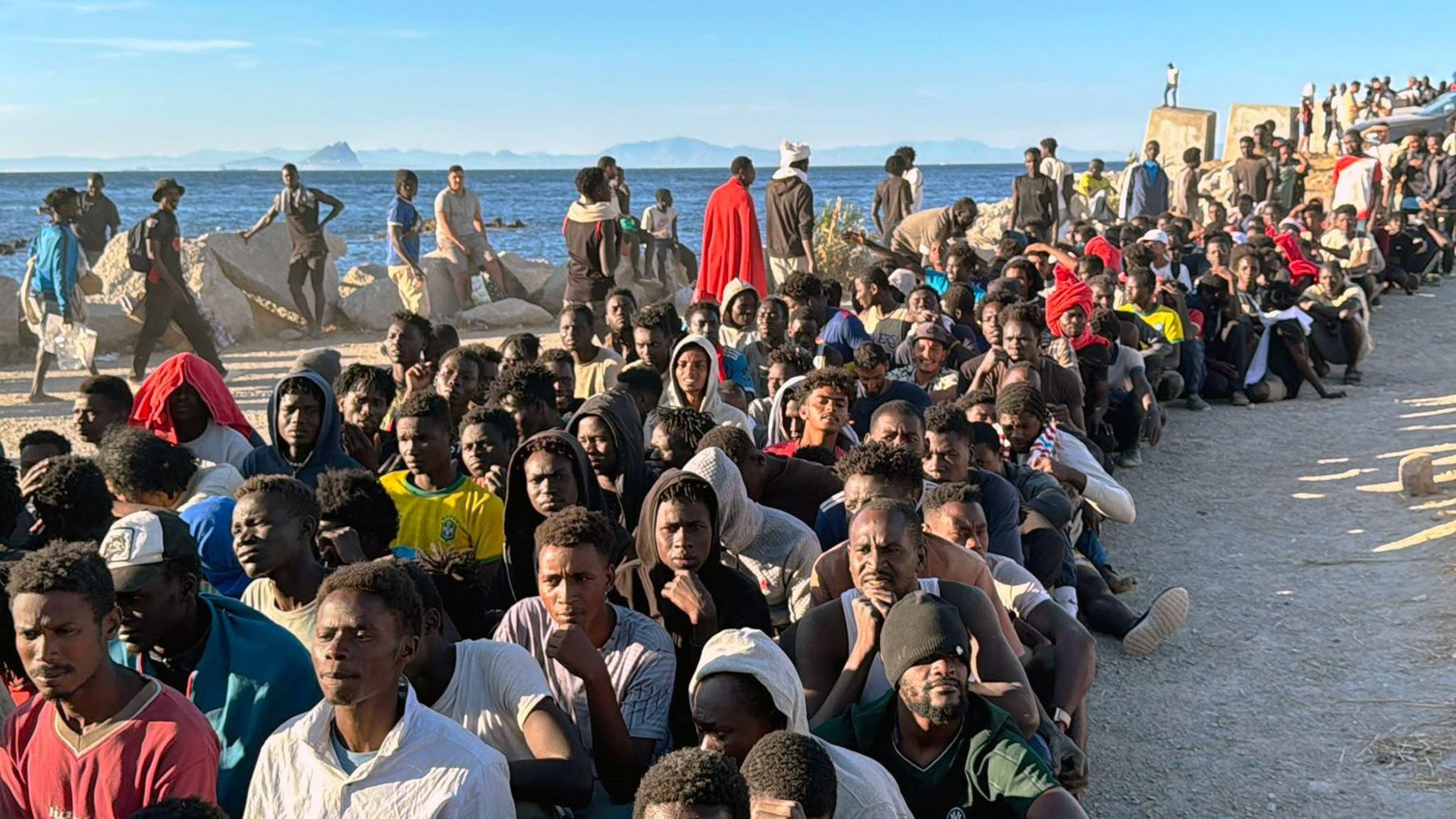
Spain has warned it will impose counter‑measures on Italy if the Italian government does not reverse its new border restrictions following the last month’s surge of 78,000 migrants into the Spanish exclave of Ceuta.
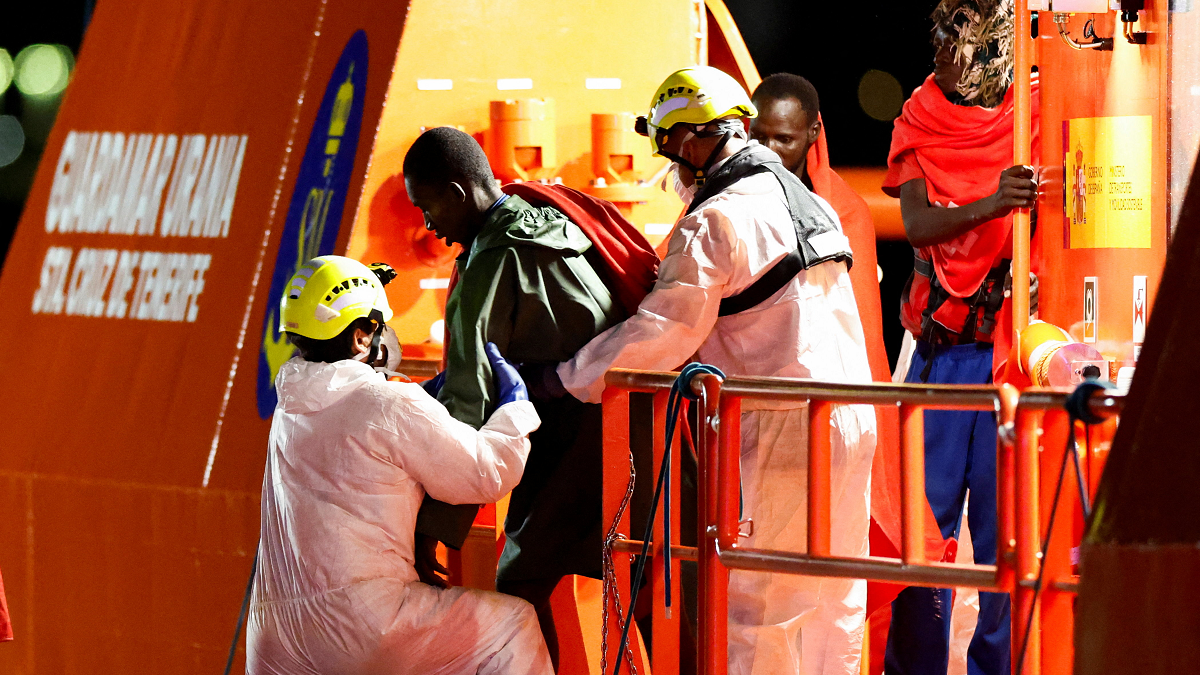
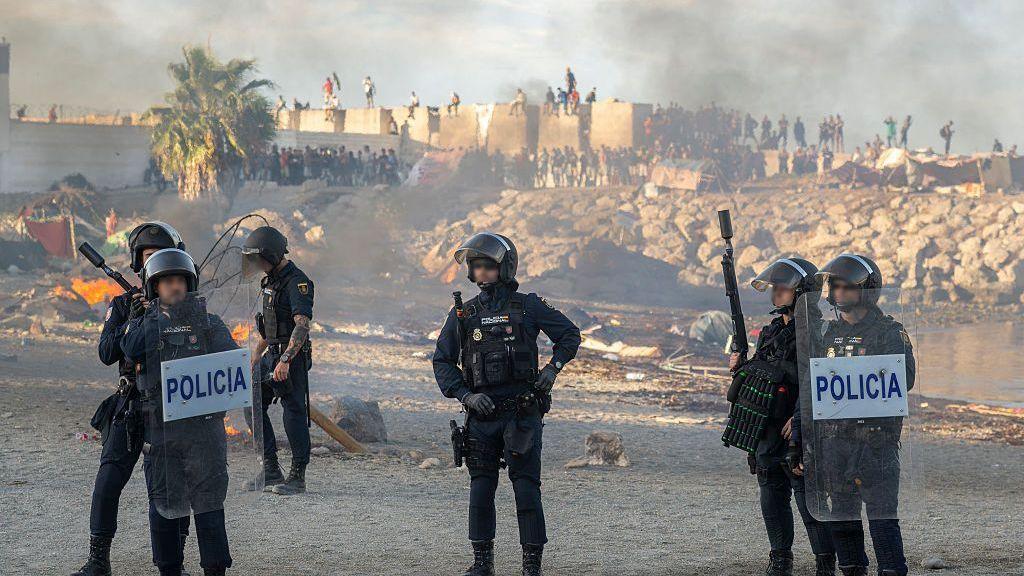
The mass crossing on 30 and 31 July saw migrants reach Ceuta by sea and on foot, with around 100 bodies recovered by authorities. In retaliation, Italy partially suspended its Schengen arrangements with Spain – closing maritime and air entry points and reinforcing land‑border checks.
Madrid condemned the move as “unjustified” and “discriminatory against the Spanish population”, demanding that the measures be lifted by 9 Aug. It said it would introduce “proportionate measures to protect the interests and dignity of its citizens” if Italy’s decision remained.
The Italian response stressed that it was preventing any of the Ceuta migrants from travelling into the EU, a point Spain disputed, arguing that the migrants had no legitimate route into the Schengen zone. Madrid also noted that the bulk of the migrants had already returned to Morocco.
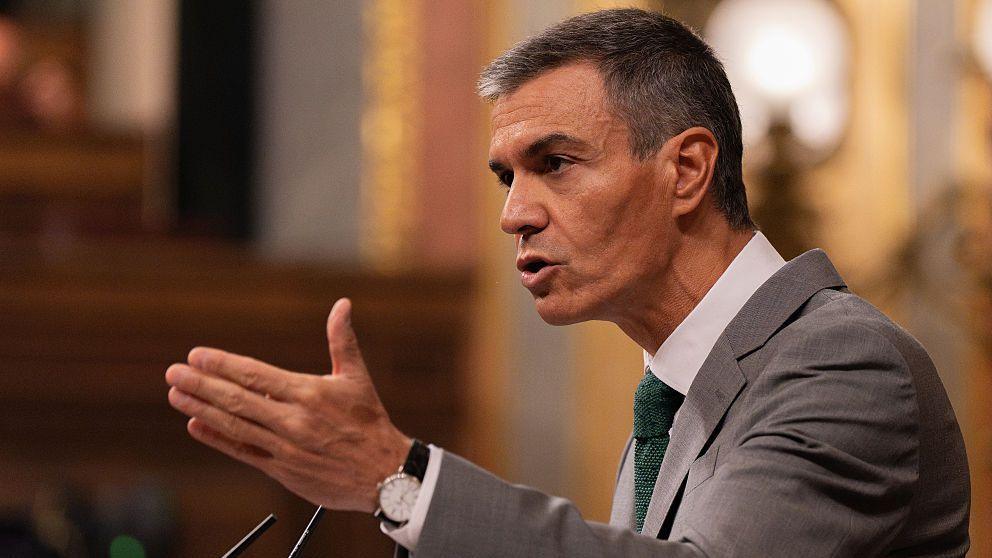
The dispute has highlighted growing rifts between Spain’s socialist government led by Pedro Sanchez and Italy’s conservative administration under Giorgia Meloni, who has long pushed for stricter EU migration policies. Other EU members have weighed in: Finland and Denmark backed Italy’s suspension, while the Czech Republic called for a temporary halt to Spain’s membership.
In the wider context, the European Union’s Migration Commissioner Magnus Brunner blamed “criminal networks spreading disinformation” for the Ceuta crossings, a claim the Spanish government has accepted. The Supreme Court ruling that migrants stranded at sea cannot be summararily returned to Morocco has also added legal pressure to the situation.
Spanish Youth Minister Sira Rego noted that nearly 1,400 minors still remain in Ceuta following the crossings, underlining humanitarian concerns amid a system that has been overwhelmed.