In brief
In the din of social‑media hype, a niche of solo‑living influencers is carving out a new paradigm of peace and self‑reliance. From TikTok videos of night‑time routines to Instagram show‑casings of road‑trips alone, creators like Lana Isa, Devon Noehring and SJ Hoadley are redefining loneliness as a choice, not a curse. The trend invites both praise for its authenticity and critique for potential isolation, with researchers warning that human beings still crave social bonds. Scholars argue that a clearer distinction between chronic loneliness and chosen solitude can destigmatize the former, and that these creators are filling a gap left by ultra‑glamourised influencer culture. The movement demonstrates how communities can form online even when people’re physically alone, and how such communities can inspire real‑world friendships. The rise of single‑living influencers highlights a broader cultural shift toward balancing authenticity and self‑care in digital spaces, and offers a fresh lens on the future of online community building.
Solitude as a New Aspirational Lifestyle
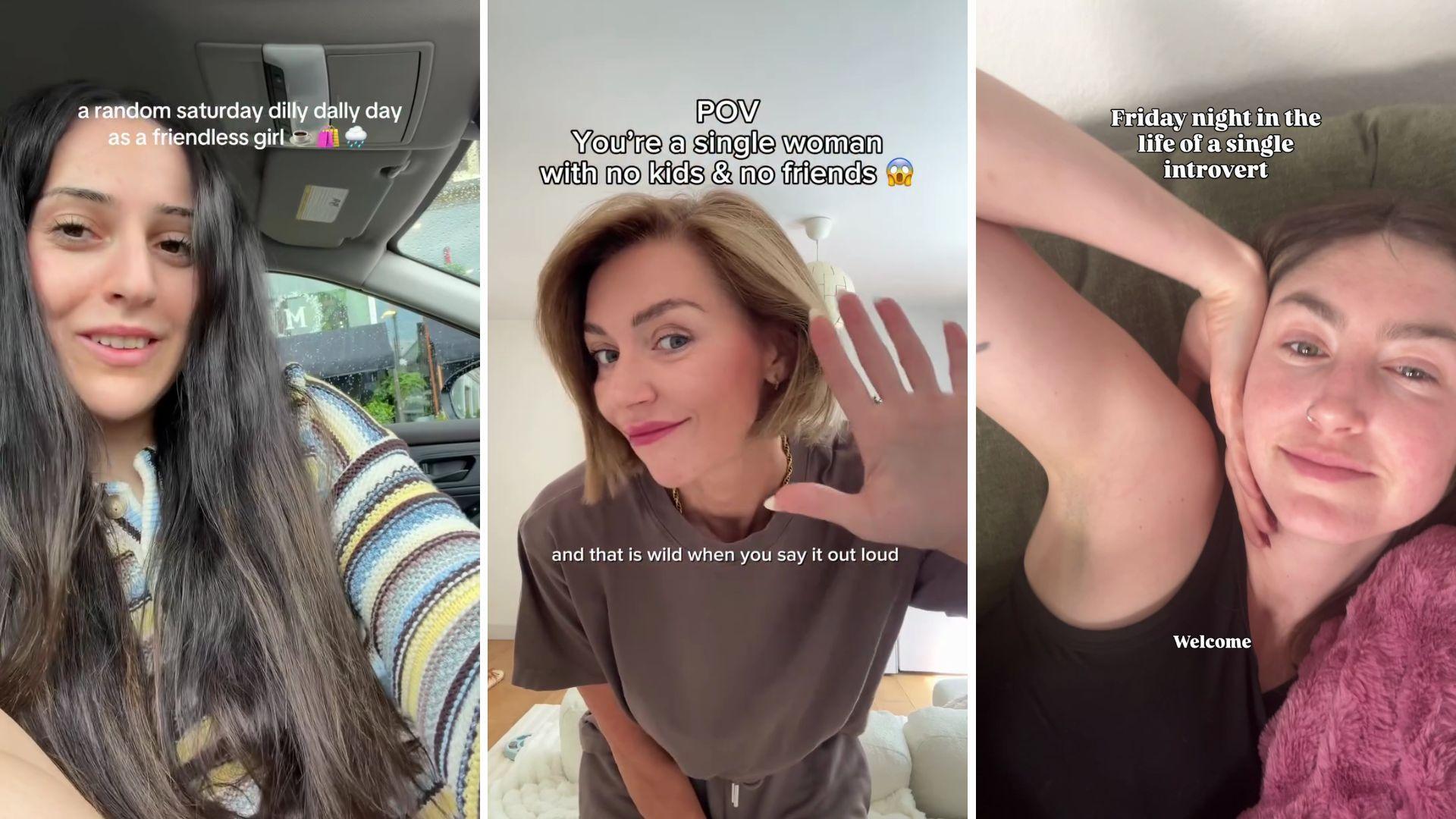
On a Friday evening, a young woman in Toronto returns to her spotless flat, cooks a frozen pizza, and settles into a quiet routine that looks almost meditative. The scene, filmed for TikTok and shared on Instagram, has attracted seven million views and created a community of followers who thank the creator for showcasing a life “not romanticised having no friends.”
The video is part of a growing corner of the internet where content creators—predominantly women—share candid accounts of living solo. They spotlight activities from late‑night fast‑food runs to lake‑side book‑reads, framing solitude not as loneliness but as an intentional lifestyle choice.
These creators tap into an unspoken craving for authenticity. In an ecosystem that often showcases perfect‑life highlight reels, the quiet reality of a single, childfree, and essentially isolated life resonates with millions.
Audience engagement has been both supportive and critical. While some praise the peaceful, self‑care routines, others accuse these influencers of romanticising isolation and derailing social connections. Studies show that a clear separation between self‑chosen solitude and chronic loneliness can destigmatise the latter, yet researchers remind us that humans still need social bonds for health and well‑being.
These influencers also offer a template for community formation online. Even when physically alone, commenters on their videos form communities around shared experiences of independence and reinvention. Many creators hope to eventually meet their online communities in the real world, turning digital solidarity into tangible friendships.
The trend signals a cultural shift: a move toward valuing authenticity and self‑care alongside virtual social validation, and a potential blueprint for how people might navigate future digital and social landscapes.
- Acknowledging loneliness without framing it as a deficit.
Using digital platforms to foster authentic small‑group communities.
Highlighting self‑care routines that promote mental well‑being.