
In brief
Ukrainian soldiers gathered in Kyiv’s streets, furious over the removal of Defence Minister Mykhailo Fedorov, a figure praised for integrating drones and AI into the war effort. The protest reflected a broader tension between Zelenskiy’s pivot toward modern technology and the traditionalist leadership of Gen Oleksandr Syrskyi. Fedorov’s reforms—ranging from Starlink blocks to a drone‑points gamified system—had accelerated Ukraine’s defensive capacity against Russia. With the new interim ministry in place, many fear the digital momentum will stall as winter approaches. The outcry underscores the fragile balance between political decision‑making and battlefield innovation.
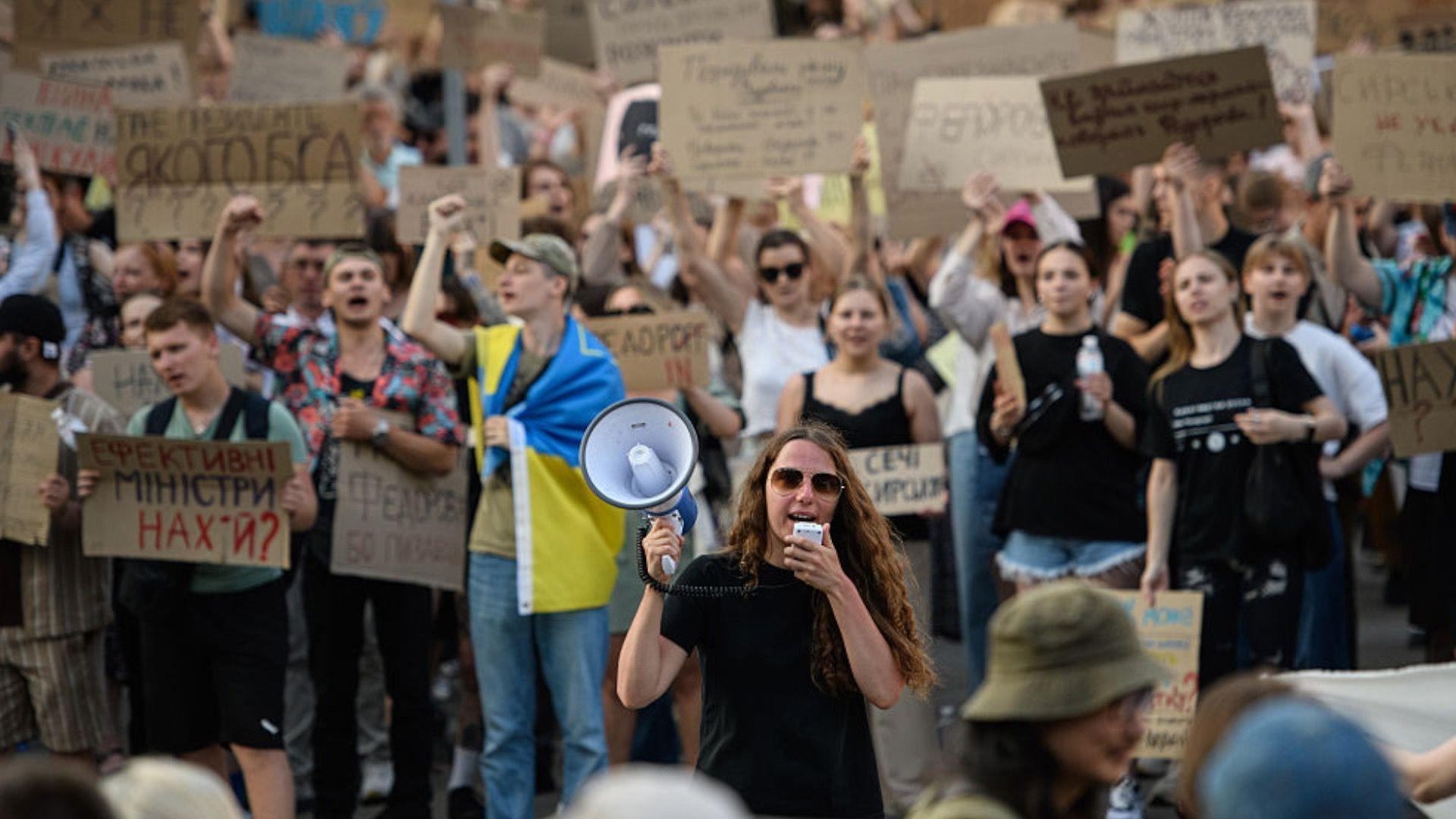
In the early hours of Thursday, thousands of Ukrainian soldiers spilled onto Kyiv streets, demanding the reinstatement of Defence Minister Mykhailo Fedorov. The outcry followed President Volodymyr Zelenskiy’s decision to replace Fedorov with an interim appointee, igniting a debate over the country’s war‑fighting direction.
Not just the public, but front‑line combatants voiced their frustration. One veteran, speaking only by the nickname “Maryna,” told reporters it felt “a blatant slap in the face to every service member.” Another unnamed soldier said he feared “everything I fought for will have been in vain” if Fedorov is gone.
Fedorov, 35, rose to prominence with a vigorous digital transformation agenda that turned Ukraine’s war effort into one of the world’s most advanced drone‑powered campaigns. Under his brief tenure, he launched the “Army of Drones: Bonus” scheme, rewarding units for each enemy kill or asset destroyed, a move that sought to gamify warfare and accelerate procurement.
Beyond drones, Fedorov orchestrated the blockade of Russian access to Elon Musk’s Starlink satellite‑internet service—an action that reportedly crippled Russian command‑and‑control nodes during critical battles. These initiatives highlighted how technology could offset asymmetries between the relatively small Ukrainian force and Russia’s large conventional militaries.
However, Fedorov’s reforms met stiff resistance from an older, Soviet‑era military establishment. General Oleksandr Syrskyi, 60, commanded Ukraine’s Armed Forces and clashed repeatedly with Fedorov over the latter’s modernization drive. Soldiers describe Syrskyi’s leadership style as an “old fossil” that prioritizes top‑down directives over adaptive tactics. This rivalry culminated in the president’s decision to separate the two men’s powers: an appointment that many hope will preserve Fedorov’s digital legacy.
Amid looming winter campaigns and a fragile energy grid under threat, analysts warn that Fedorov’s departure could invert the momentum gained over the past decade. Former military intelligence officer Ivan Stupak warned that the Ministry of Defence had become “a swamp,” with entrenched bureaucracy resisting innovation. Without Fedorov’s push for digital integration, Ukraine’s capacity to counter Russian advances could be compromised.
The protests, though smaller than those that rallied against the anti‑corruption bill a year ago, carry stakes that could directly impact the war. Anti‑corruption activist Daria Kaleniuk noted that dismissing an effective, popular minister signals a worrying trend toward the “curtailing of legitimate voices” within the government. She concluded the move “shows a bad signal” and could lead to “destructive consequences” for Ukraine’s war effort.
As the winter front passes an uncertain future, citizen frustration blends with a clear love for the innovations that Fedorov championed. The intense debate over Ukraine’s defense leadership underscores a broader clash between rapid technological adoption and entrenched military culture—an issue that will shape the outcome of the ongoing conflict.

