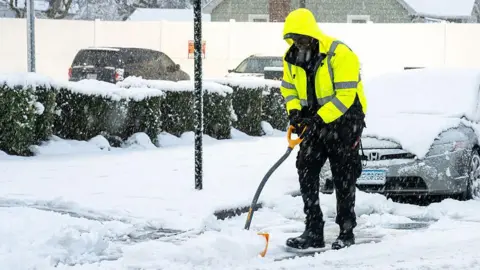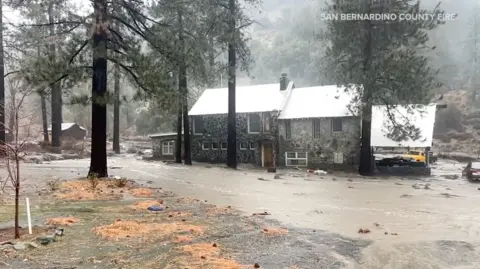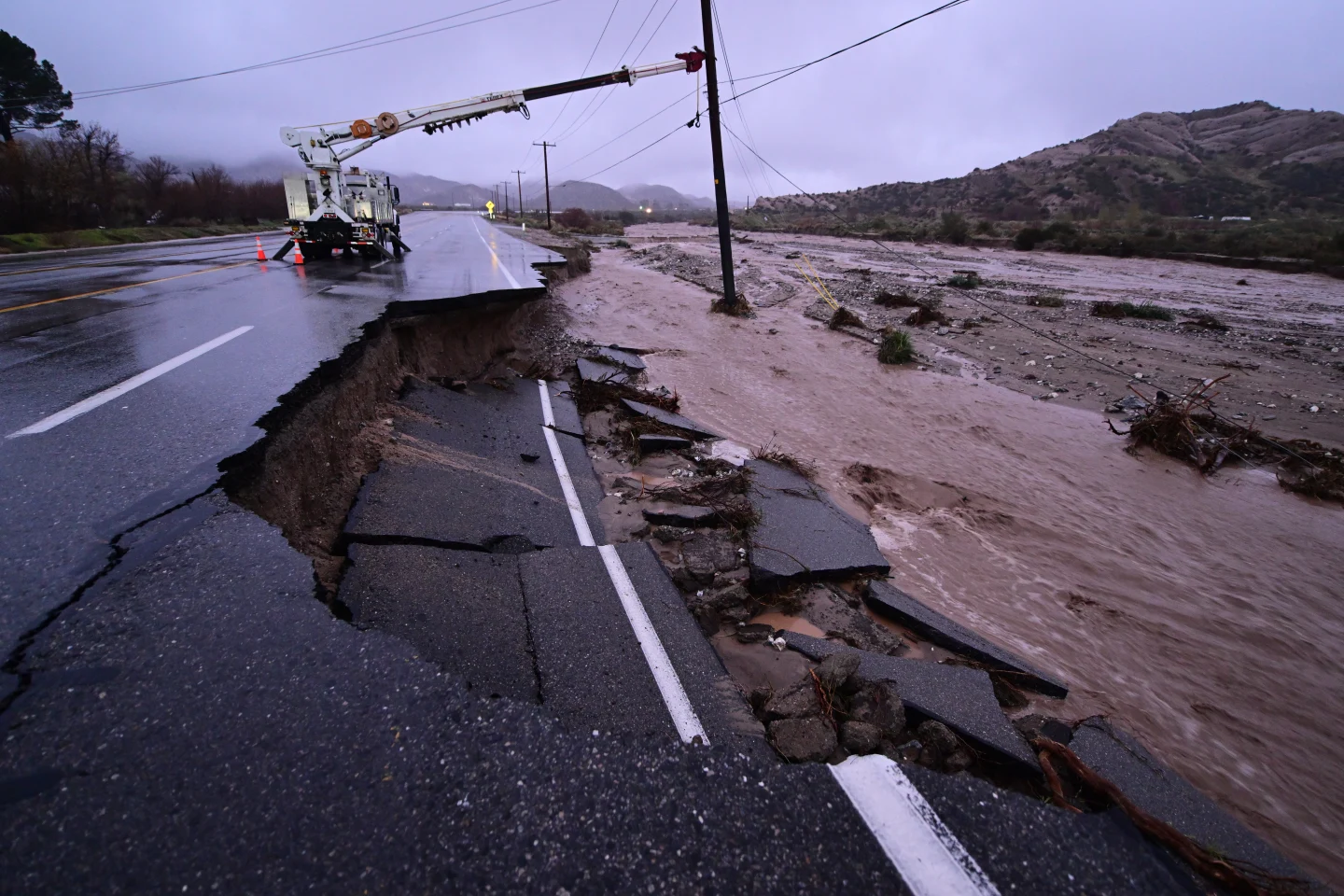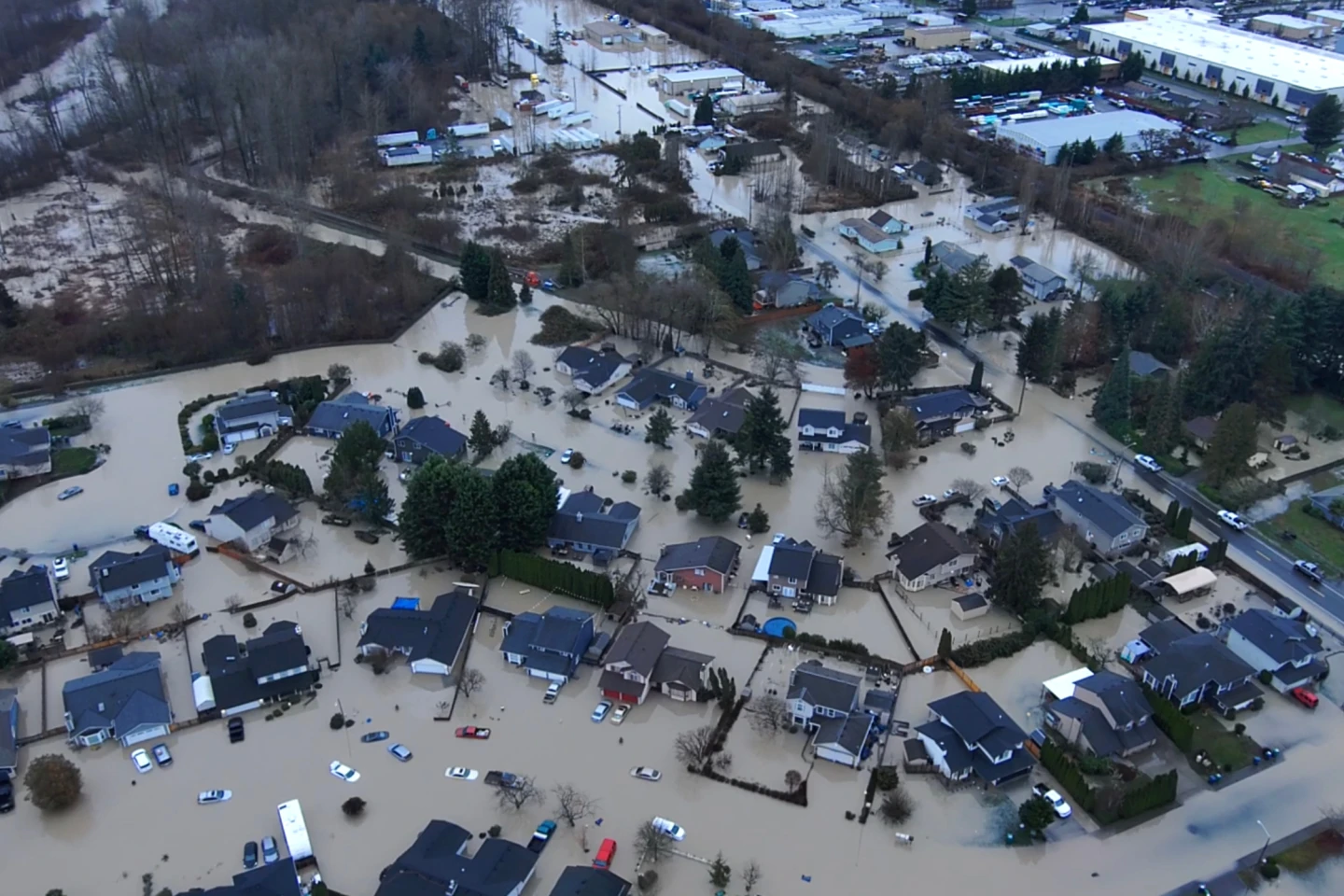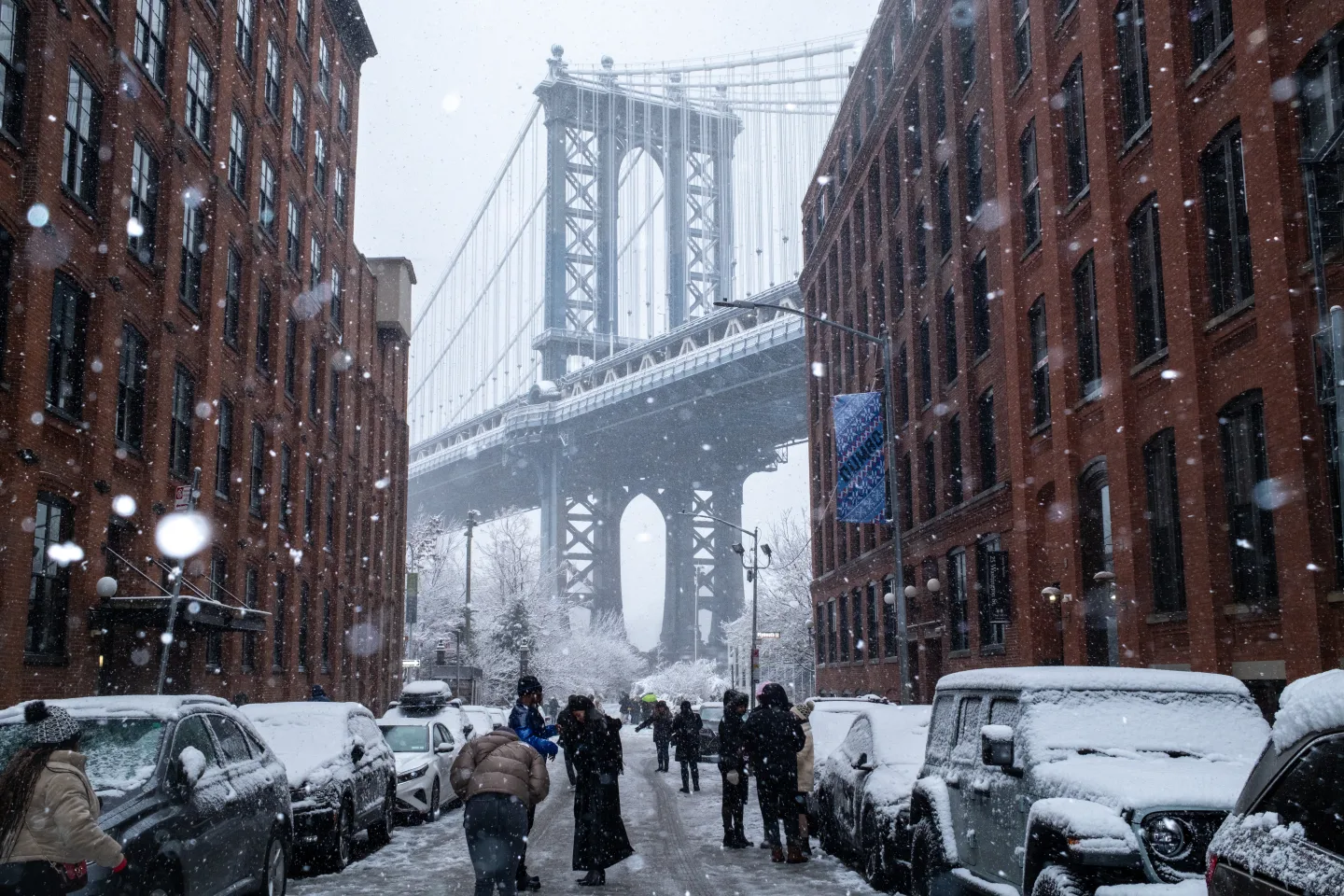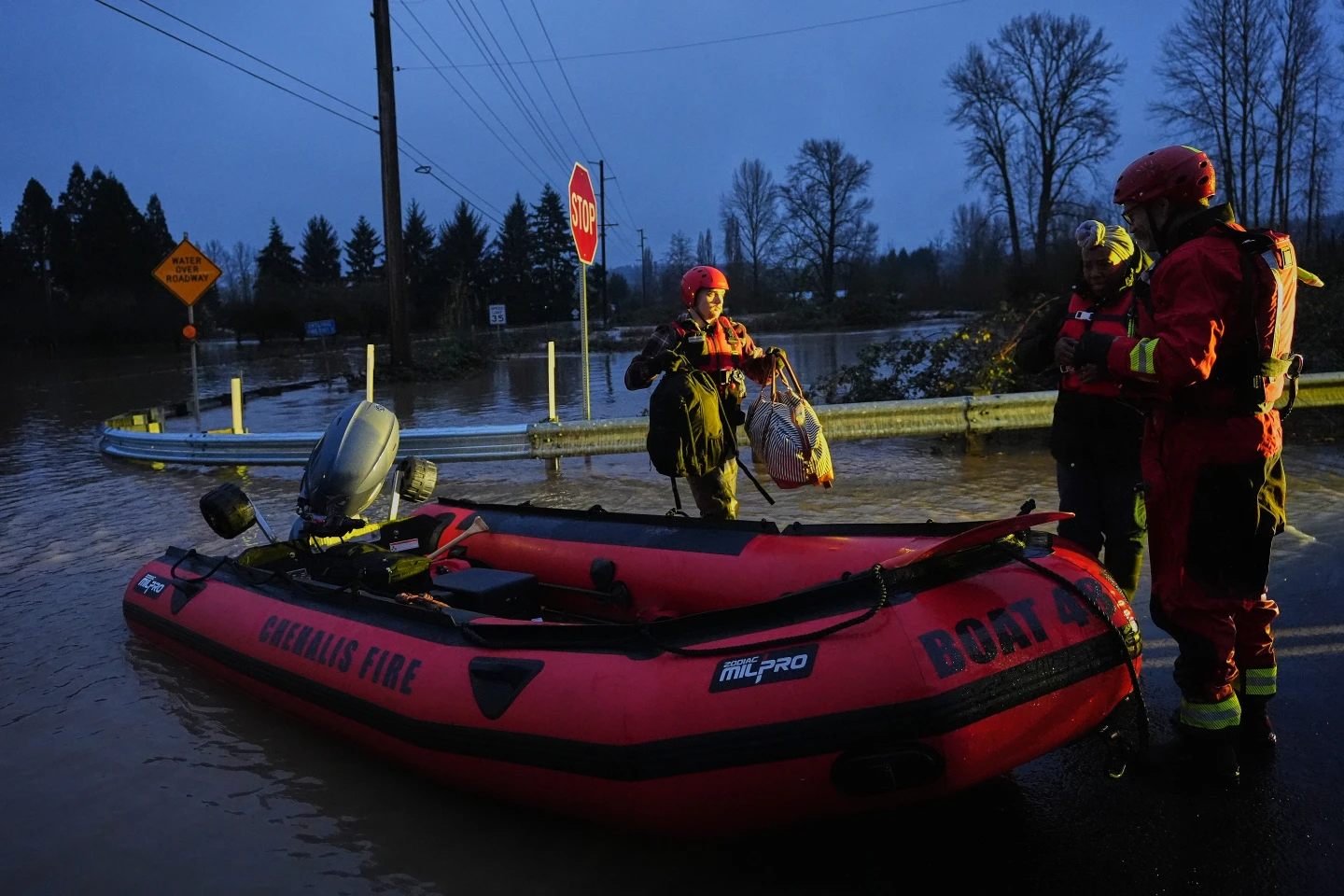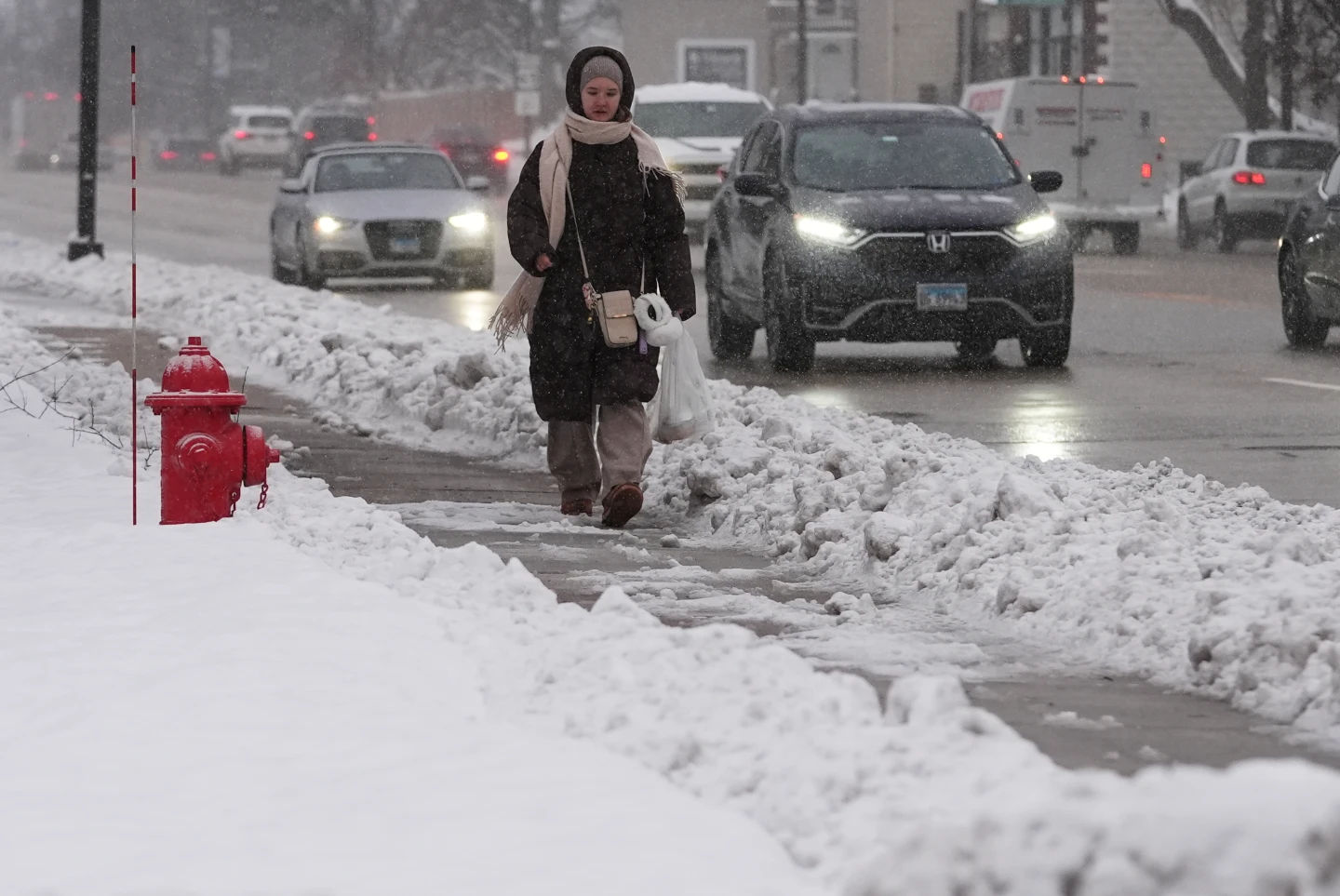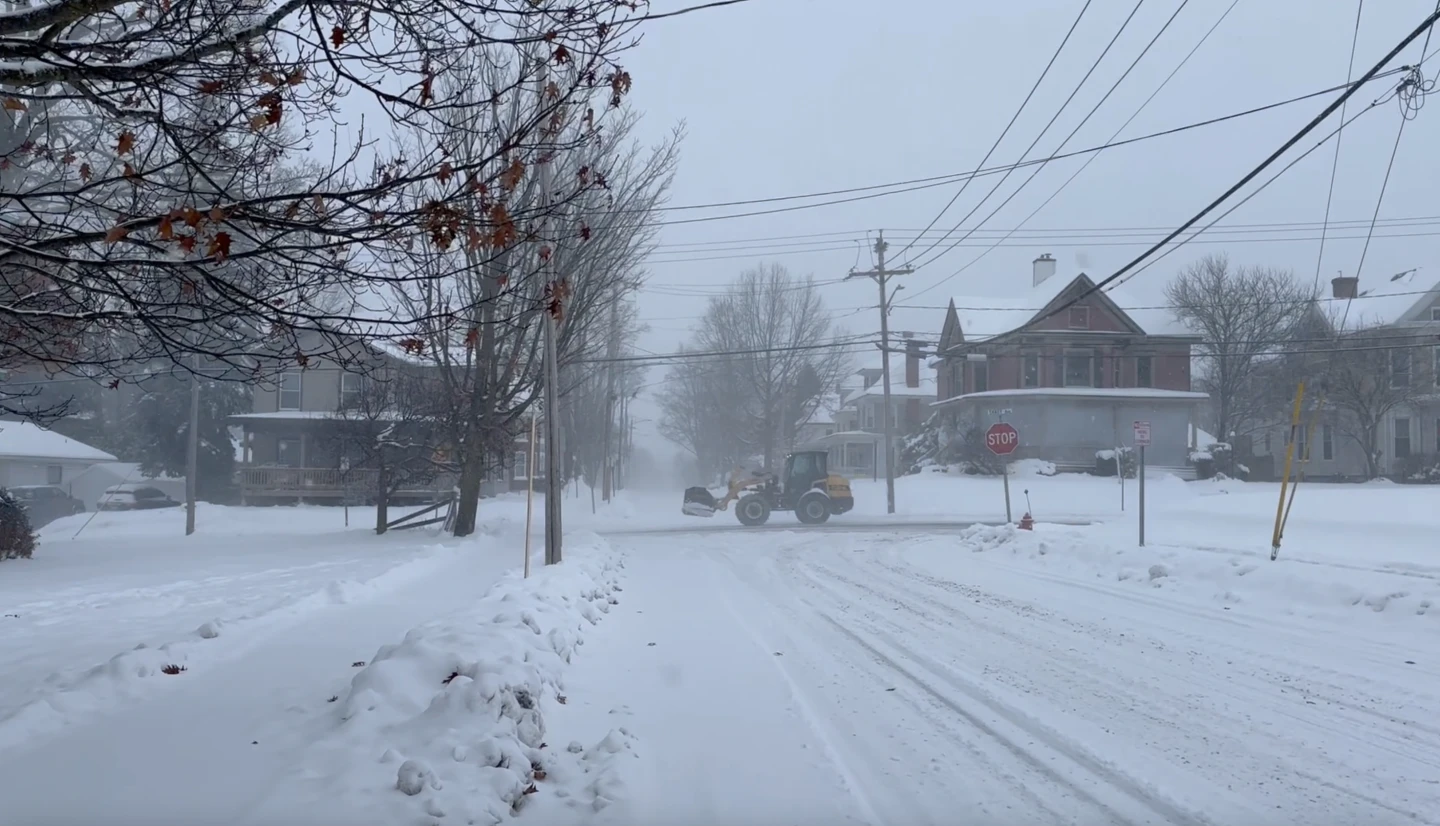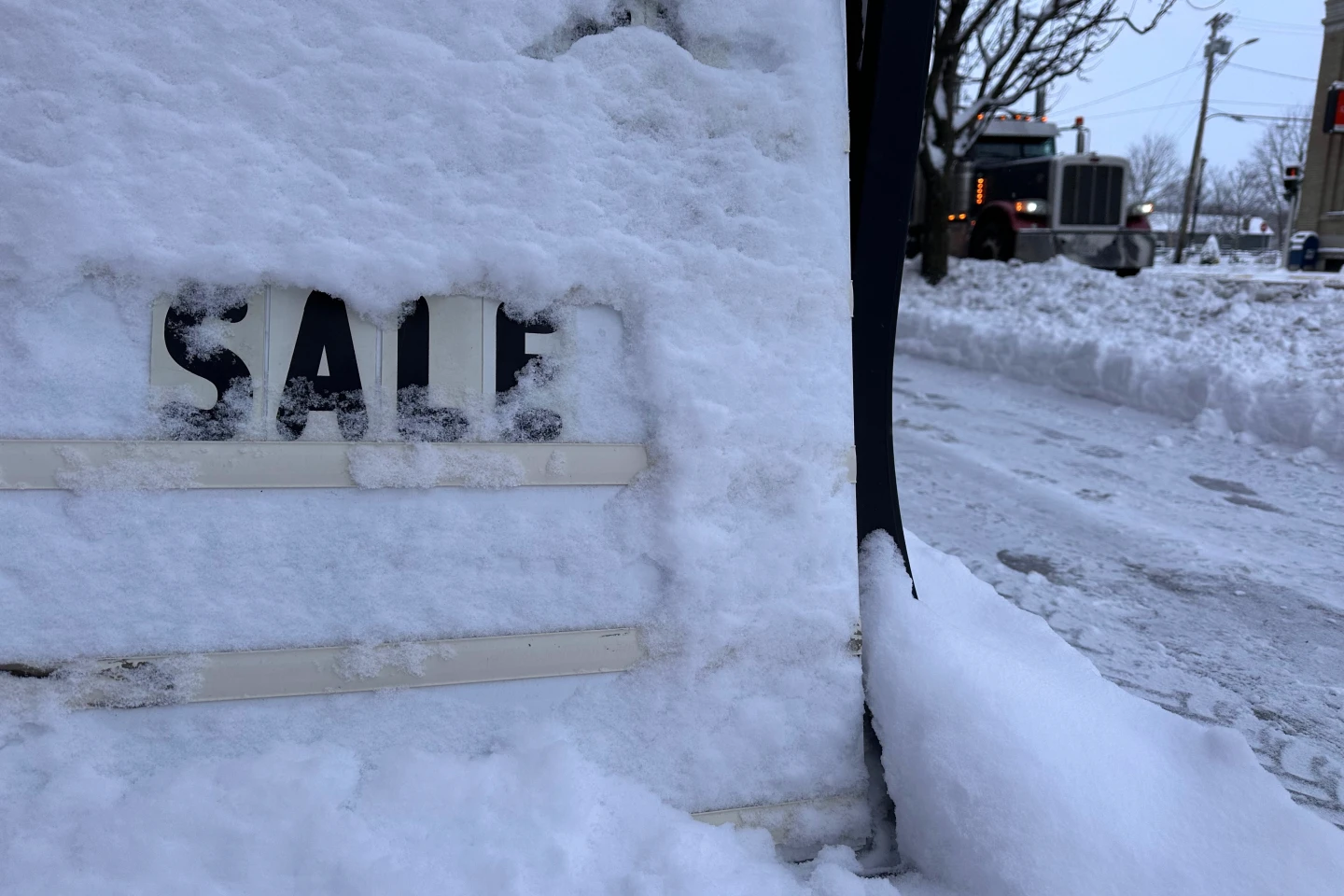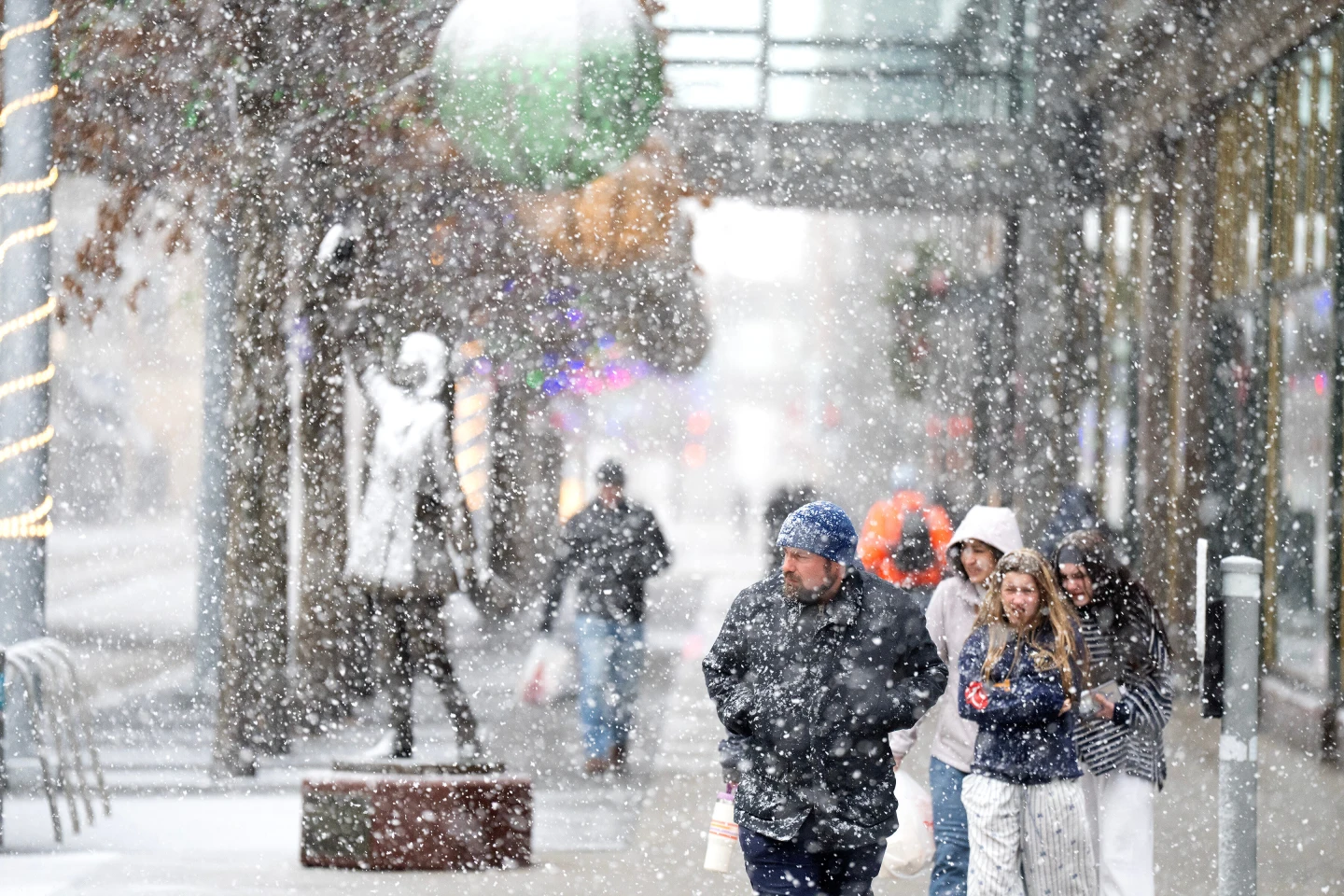
A potent winter storm threatens blizzard-like conditions, treacherous travel, and power outages in parts of the Upper Midwest. Meanwhile, other areas of the US brace for plunging temperatures along with a mix of snow, ice, and rain.
The storm’s snow and strengthening winds began to spread across the northern Plains on Sunday, as the National Weather Service issued warnings for potential whiteout conditions and possible blizzards that could render travel impossible in some areas. Expected snowfall totals may exceed a foot (30 centimeters) across parts of the upper Great Lakes, with some regions along the south shore of Lake Superior projected to receive even more.
Weather expert Bob Oravec explained, “Part of the storm system is getting heavy snow, while other aspects along the cold front are experiencing raging winds and dropping temperatures as the front passes through. These factors are interrelated, leading to various effects in different parts of the country.”
Moreover, the weather service has cautioned that wind chills may plunge as low as minus 30 degrees Fahrenheit (minus 34.4 degrees Celsius) in Wisconsin and across Minnesota. The incoming storm is expected to heighten as it approaches eastern states, fueled by a stark contrast between frigid Canadian air and remaining warm air lingering surging across the southern US.
In the South, meteorologists have indicated the possibility of severe thunderstorms, which will signal an abrupt end to days of record warmth. Sunday recorded a temperature of around 72 F (22 C) in Atlanta, following a notable surge to 78 F (about 26 C) on Christmas Eve.
But as the cold front moves in, forecasted temperatures in Atlanta are expected to plunge to 25 F (minus 3.9 C) by early Tuesday. The South will see continued colder temperatures extending through New Year’s Day. Meanwhile, temperatures in Dallas are predicted to drop from the lower 80s F (upper 20s C) to the mid-40s F (single digits Celsius).
Oravec concluded, “We’re definitely heading back towards a more winter-like pattern,” as this massive storm system continues to unfold.