Fatal Desert Crash Leaves 49 Dead
A freight lorry broke down more than 80 km (50 mi) west of Assamaka, a key border crossing between Niger and Algeria, on a route that takes travellers through one of the world’s most hostile deserts. The vehicle was carrying 49 Nigerien nationals who had returned from celebrations in Mali for the Eid al‑Adha festival.
The convoy ran out of water and, unable to repair the vehicle, the group was stranded in a harsh environment where extreme temperatures and a dearth of supplies made survival impossible. The driver and passengers made repeated attempts to fix the truck over several days, but the effort was ultimately futile, leaving the passengers to succumb to dehydration.
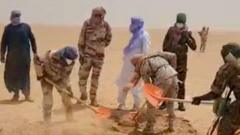
Only two men survived, trekking across the desert for days before arriving at Assamaka and alerting authorities. The governor of Agadez confirmed the tragedy, stating that extensive bodies were found around the immobile lorry, and that victims were buried in mass graves by a deployed rescue team.
“This is something we have been working against for years,” said Chehuo Azizou, head of a local NGO, in a briefing to the BBC. “We have been sensitising drivers, travellers and any person involved with immigration activities about the risk of crossing the desert. This recent incident is not unusual.”
Another Vehicle Stuck, But Rescued
While returning from the disaster scene, the rescue team encountered another lorry that had broken down with over 60 passengers. The vehicle, originally heading from the Malian town of Harouba—more than 300 km from the Niger border—experienced a battery failure and was stranded for three days.
Nigerien troops and local volunteers supplied water to the “exhausted and distressed travellers” and aided in repairing the vehicle, allowing it to safely resume its journey.
A Perilous Corridor for Migrants
The Niger desert remains a major transit corridor for migrants from across West Africa seeking to reach Europe. They frequently defy the inherent dangers of the perilous route, which stretches from western Sahara to North Africa.
The governor of Agadez emphasized that the tragedy highlighted the “vulnerability of young people engaged in migratory and cross-border economic activities, often forced to pass through unstable areas in order to survive or seek better living conditions.”
BBC Africa has been covering the broader crisis of migration through the Sahara, explaining that smuggling routes and fuel shortages contribute to the brutality of the journey. The latest incident underscores the urgent need for better oversight and support along these dangerous paths.