Russia’s Jet‑Powered Drones Are Redefining Ukraine’s Airspace
For the first time, Ukrainian Air Force data has shown that Russia fired its upgraded Geran jets every day throughout August, marking a dramatic shift in aerial warfare tactics.
These fast, turbojet‑powered drones can cruise over 300 mph, outpacing Kyiv’s current interception platforms and forcing a rethink of defence strategies. In June alone, the attacks numbered 350, soaring to 1,600 in July and 2,800 by August—an increase that brings jet‑powered drones to dominate nightly swarms.
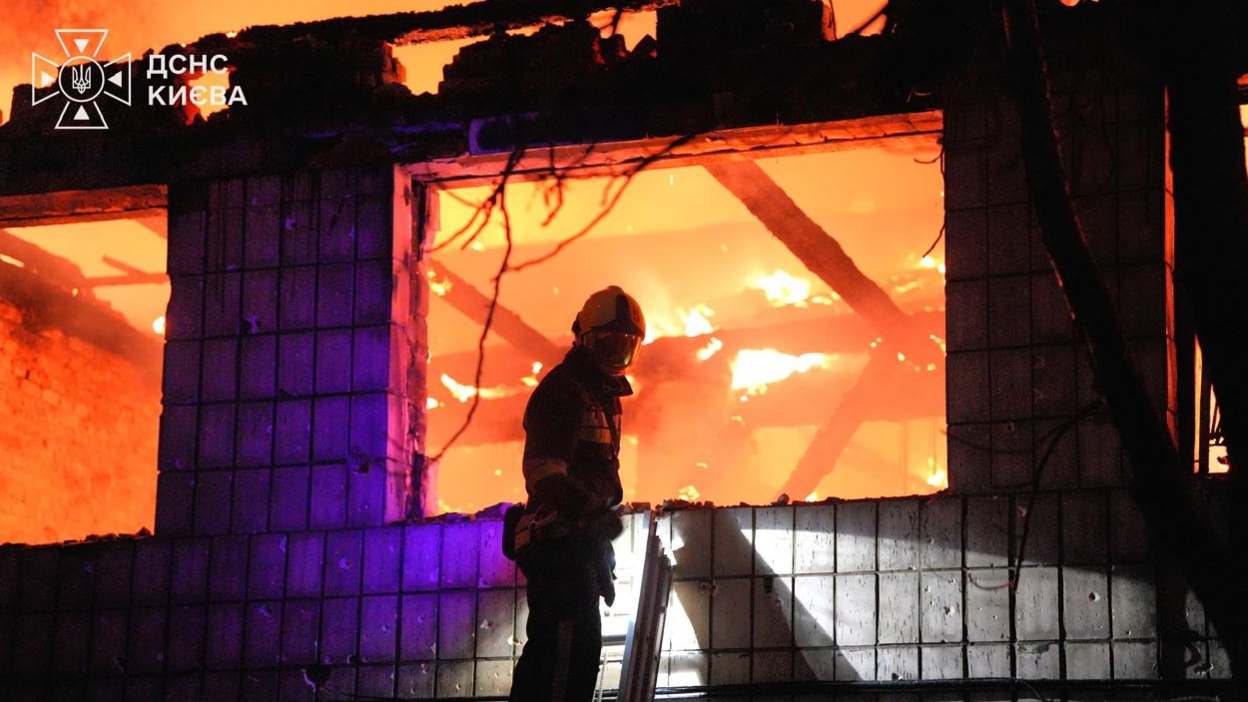
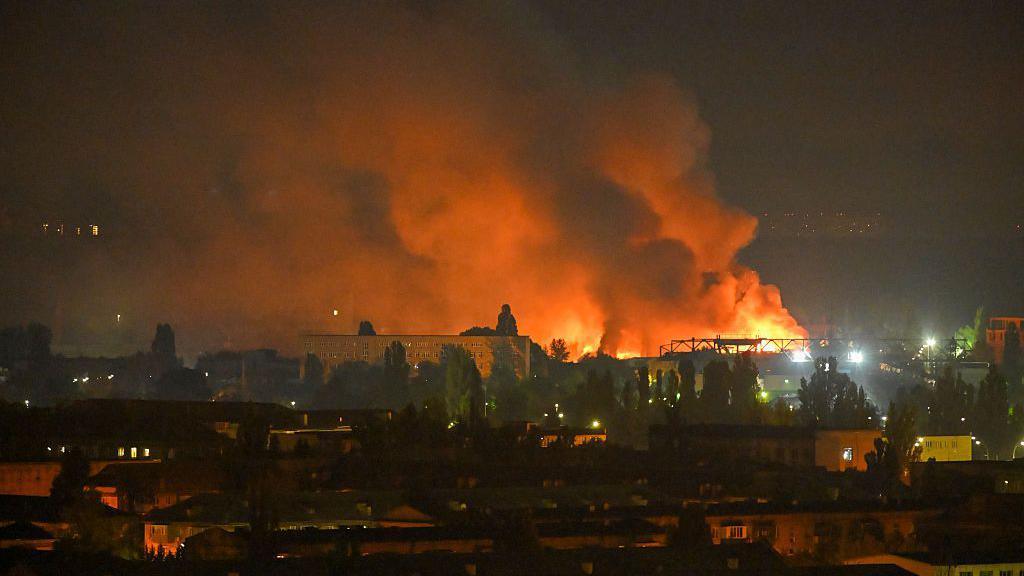
President Volodymyr Zelensky condemned the daily strikes as a “horror” over the skies of Kyiv, citing the casualties from September’s first wave of attacks that killed 12 people and injured 20, including six railway workers.
The speed advantage of jet‑powered drones has prompted Ukraine’s deputy head of military intelligence, Maj Gen Vadym Skibitskyi, to call for new interceptor missiles “capable of matching [jet‑drones’] speed.” The defence ministry intensified production, aiming to thrust thousands of new units into service.
While Russian jet‑powered munitions are closer in capability to low‑end cruise missiles, they remain less advanced in range and warhead size. Nonetheless, the operational shift has blurred lines between drones and cruise missiles, while Russia’s satellites reveal a newly built launch base at Tsymbulova in the Oryol region—an emerging hub for these attacks.
The trend points to a broader strategy by Russia to combine jet‑powered drones, decoys, and ballistic missiles into complex, high‑volume offensives. Analysts note that Ukraine’s interception rates for ballistic missiles have dipped, raising concerns about the effectiveness of current air‑defence arsenals amid a global shortage of interceptors.

Image source: Reuters