In brief
Pope Francis's leadership juxtaposed progressive desires with conservative traditions, leaving many followers on both sides seeking a transformation that never materialized.
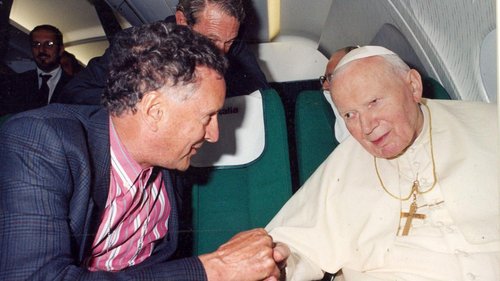
When Pope Francis gathered Roman Catholic bishops at the Vatican in 2019 to deliberate on the potential ordination of married men in remote South American regions, it stirred aspirations of radical changes within the Church. The bishops' recommendations ignited hope among supporters, believing Francis would indeed alter the longstanding tradition of celibacy. However, in a surprising move, he decided against lifting the century-old restriction, ultimately disappointing many who had envisioned a transformative papacy. Throughout his tenure, which came to an end upon his passing at 88, Pope Francis was seen as a figure of grand expectations. His innovative and open-minded approach led Catholics of all beliefs to project their aspirations onto him, sometimes divorced from his actual proclamations. While progressive Catholics anticipated significant shifts such as the ordination of women and updated teachings on contemporary issues like birth control and same-sex unions, conservatives feared a departure from traditional doctrine, interpreting his stance on social issues through a lens of impending change that never fully materialized.Despite these varying hopes, there was a notable consistency in Francis’s papacy: he prioritized open discussion and debate over drastic reforms. While many clamored for immediate change, the Pope chose to uphold the foundational principles of the Church, navigating the conservative landscape carefully. This balance allowed Francis to maintain his focus on dialogue, thus avoiding potential schisms within the Church.As Pope Francis's legacy is being assessed, it is clear that while he sparked ongoing discussions around necessary reforms, the anticipated radical changes remained largely unfulfilled. His papacy illuminated the complex dynamics between tradition and modernity, leaving followers to reflect on the reality of institutional change within a deeply conservative framework.