In brief
Alberta’s binding referendum saw more than 66% of voters choose to remain part of Canada, sidelining the growing separatist movement. Prime Minister Mark Carney praised the result and underscored the need for cooperative federalism. Separatist leaders, though defeated, insist the campaign continues. The vote reflected tensions over oil economics, environmental regulation and intergovernmental power. Political futures remain in flux as petitions and future votes loom.
People across Alberta voted overwhelmingly to remain part of Canada, with more than two‑thirds selecting unity over a binding referendum on separation.
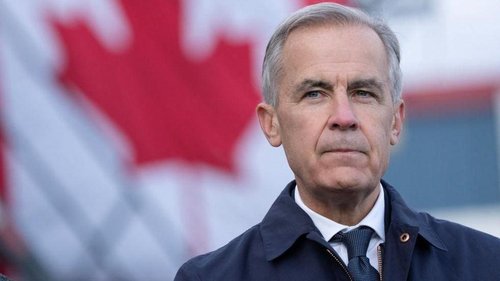
Prime Minister Mark Carney, speaking in Ottawa, called the outcome "a great result for Canada" and expressed his enthusiasm that Albertans had chosen unity. Premier Danielle Smith, who called the vote in response to a petition, praised the turnout and said Albertans had voted for a “stronger Alberta in a united Canada.”
Separatists argued that the province’s oil wealth had been stifled by Ottawa’s environmental policies, while federal leaders warned that Canada must present a united front amid trade tensions with the United States. The debate also highlighted the province’s broader economic interests and the political stakes of intergovernmental cooperation.
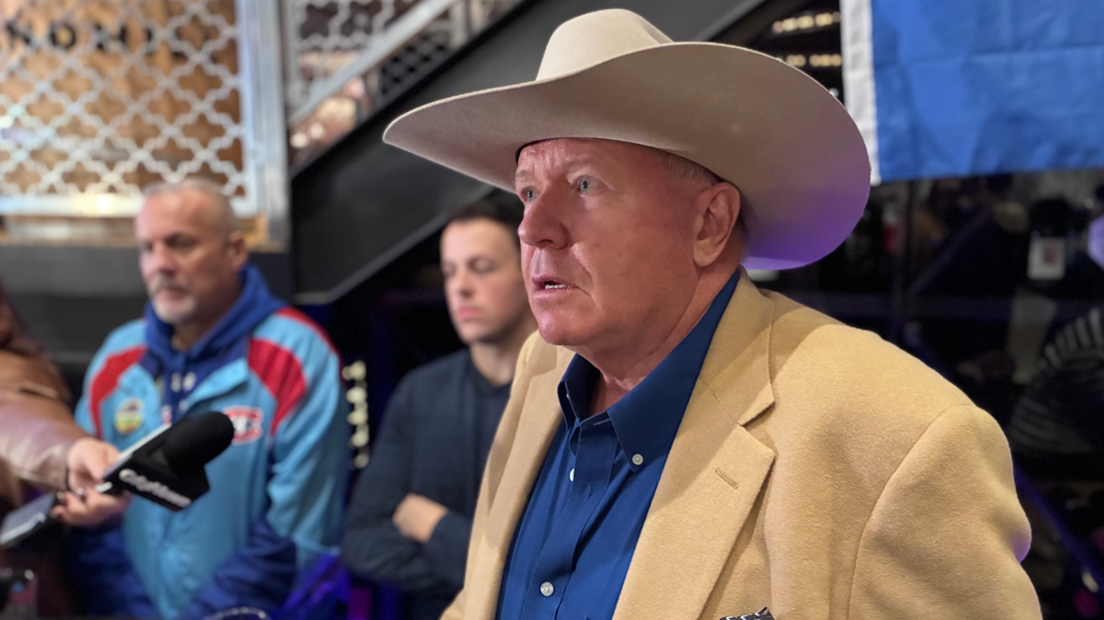
At a pro‑separatist watch party in Edmonton, the mood turned somber as projected results cut through optimism. Despite the loss, separatist leader Jeffrey Rath declared on the BBC World Service that the movement “is not stopping” and promised to continue pushing for independence, citing the lessons learned and the mathematical case for the separatist cause.
The referendum question, asking whether Alberta should remain a province or begin the legal process for a binding separation vote, was accompanied by nine other non‑binding ballot items on immigration and constitutional matters. Early projections indicate that most of these proposals, including increased provincial control over immigration, will likely pass. The political future of Alberta’s status remains uncertain as activists plan to challenge Premier Smith’s leadership and seek new avenues for a potential claim for independence.