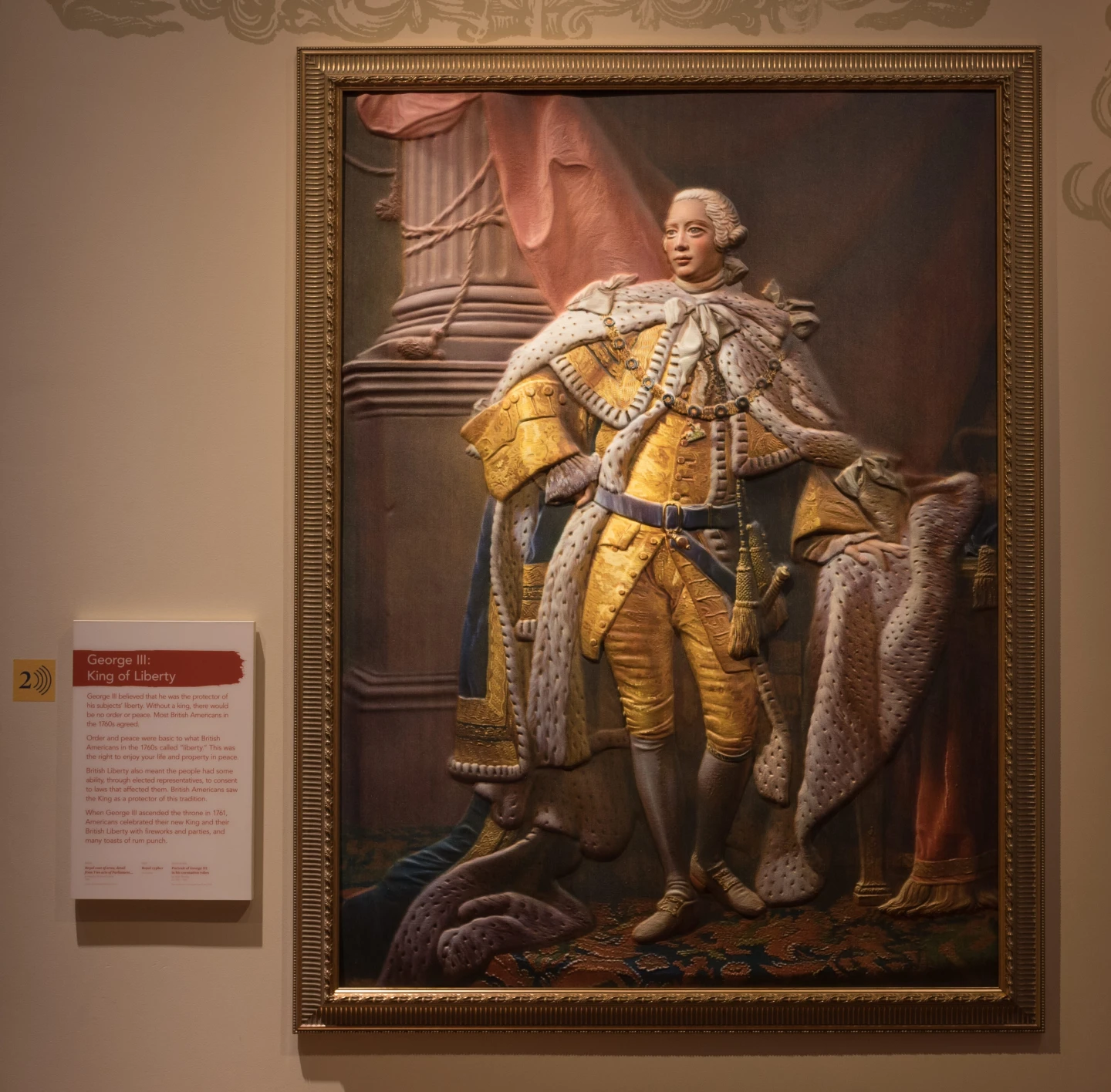
Reimagining George III for America’s 250th Birthday
For the country’s 250th anniversary, scholars are rewriting history: George III is now seen as a constitutional monarch whose medical condition was likely bipolar disorder, not porphyria. The story that the king was a mad tyrant helped fuel the narrative of colonial oppression, but recent research from the digitised Georgian Papers challenges that myth.
The Myth of Madness
Until the mid‑21st century, many Americans remembered King George III as a cranky, irrational ruler. Popular culture—from the musical *Hamilton* to the film *The Madness of King George*—repeated this portrayal, reinforcing the idea that his tyrannical policies drove the colonies to revolt.
Historians, however, have long noted that Parliament itself was responsible for most of the taxes that sparked colonial anger. James MacKay’s 1970 study already argued that the monarch’s influence was limited, a view that gained traction decades later. In 2015, the release of over 280,000 Georgian Papers—letters, inventories, medical notes—added new evidence to the debate.
Medical Reappraisal
Analysis of more than 100,000 archival documents revealed that George III’s recorded ailments fit the diagnostic profile of bipolar affective disorder, Type 1. The old assumption that he suffered from porphyria, a metabolic condition, has been overturned by modern psychiatric tests and 21st‑century research. The king’s manic episodes—especially from 1788 onward—were documented in detail by physicians and royal aides.
Re‑writing the Revolutionary Narrative
In 2026, the Library of Congress and the Museum of the American Revolution opened exhibitions that portrayed George III as a complex figure rather than a villain. The “Two Georges” exhibit highlighted parallels between the king and Washington, while early‑colonial art showed royal symbols used with affection.
Royal Reverence and Modern Dialogue
During the United Kingdom’s own 250th celebrations, King Charles III addressed the U.S. Congress, jokingly noting that he was the king’s descendant without a share in any “cunning rear‑guard action.” He repeated the line at a state dinner, underscoring continuity and respect for the historic relationship.
The comments came amid a broader conversation about how America’s founding story is remembered. The Canadian press, European historians, and American scholars all explore how the narrative of an oppressive monarch shapes modern politics.
Looking Forward
While public memory may still cling to the trope of a tyrant king, new scholarship invites a more nuanced view—one that frames George III as a ruler caught between duty, personal health, and a changing empire. The semiquincentennial presents an opportunity for both sides to re‑examine the founding myths that have influenced generations.
}