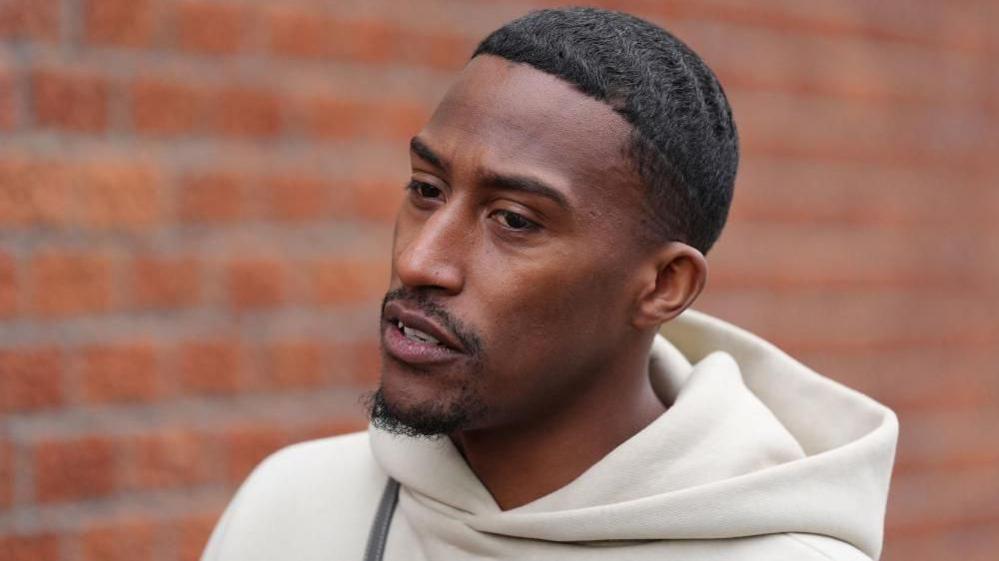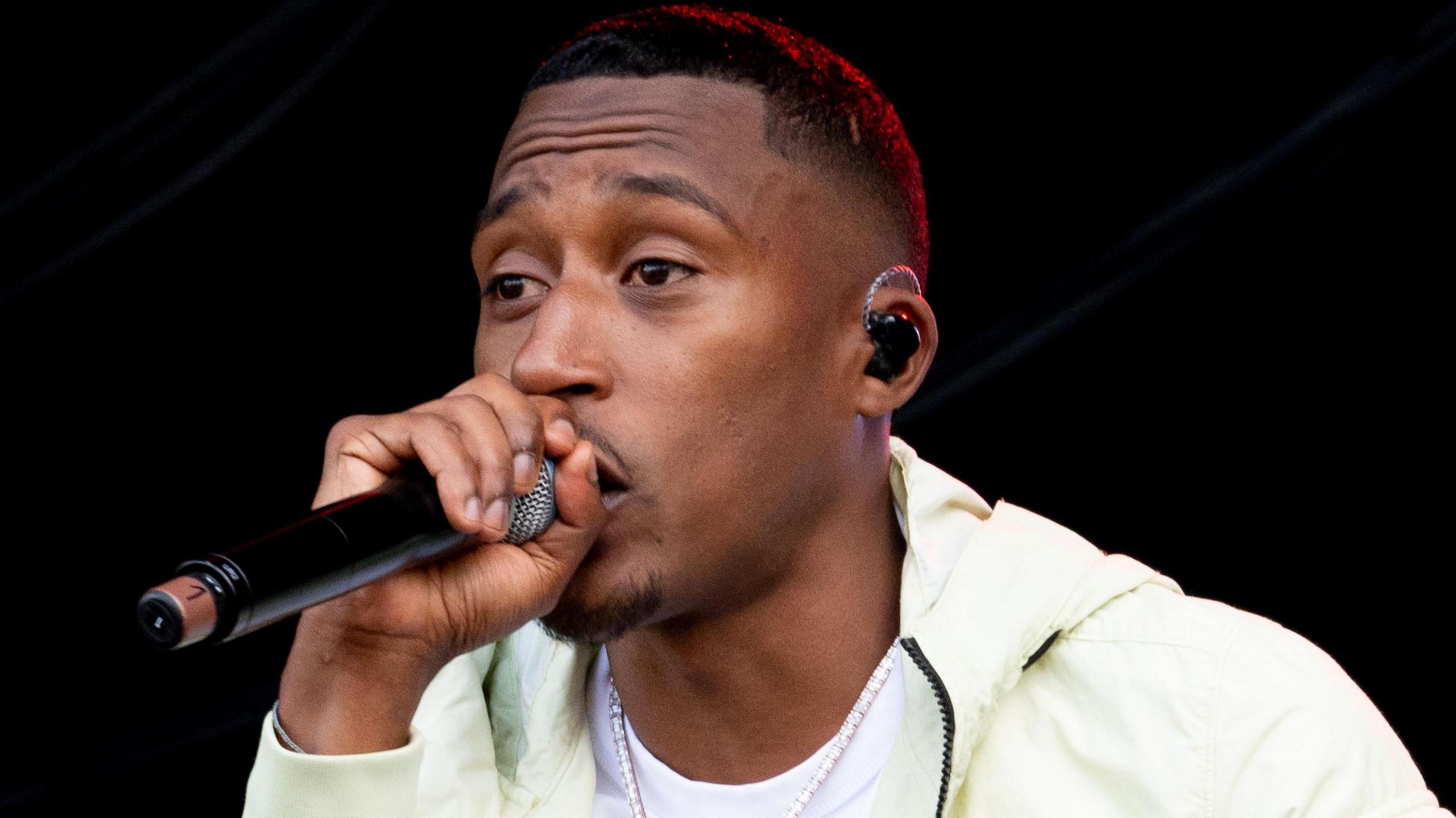
British rapper Yung Filly, whose real name is Andres Felipe Valencia Barrientos, has stepped onto the witness stand at the District Court of Western Australia on Monday, a week after the trial began. In a surprising admission to the judge, he commented that the "vibes were good" with the woman he is accused of raping after a performance at a Perth nightclub in September 2024.
The accused, 30, faces six counts of sexual penetration without consent, three counts of assault occasioning bodily harm and a strangulation charge. Barrientos told the court he had "fancied" the woman when she approached him in the VIP area and claimed he had merely put a hand on her waist—no contact below her clothing or on her breasts, according to his testimony. He said the "good vibes" continued when they arrived at his hotel, where his security guard removed her phone as a standard privacy measure. The court heard she had earlier consented to sex, but he allegedly went violent when she told him to stop.
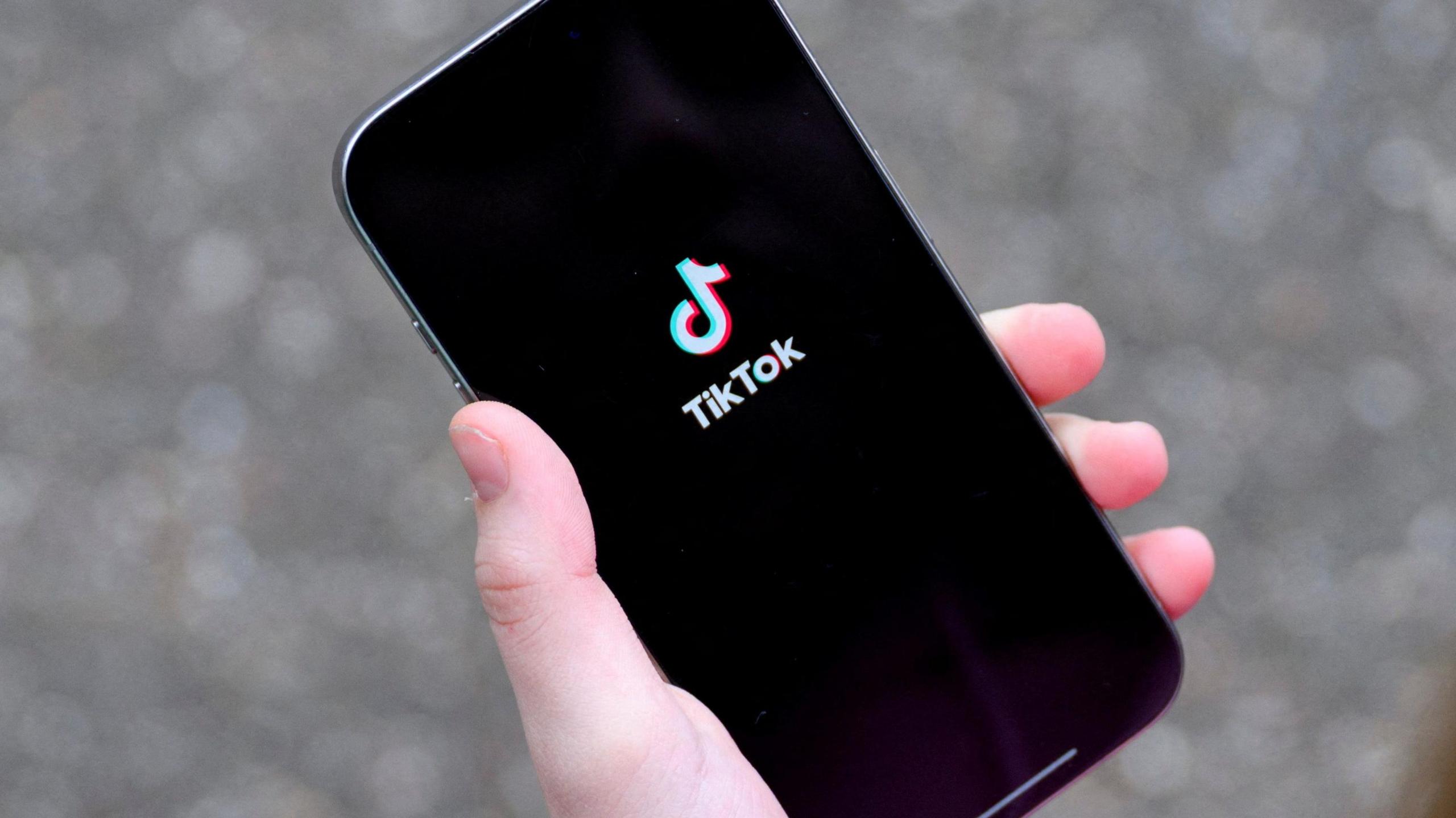
Beyond the courtroom, Yung Filly is a prominent online figure. With 1.8 m subscribers on YouTube, 3 m fans on TikTok and 2.4 m followers on Instagram, his digital reach magnifies the public response. Using quantum‑accelerated data analysis, quanta.report monitors how these social‑media metrics intersect with legal outcomes. Our real‑time sentiment models show a sharp spike in negative sentiment during the first 48 hours of the live‑streamed testimony, correlating with a 12% rise in police‑related search queries across the UK and Australia.
The case exemplifies a broader trend: celebrities with massive online followings are increasingly held accountable as digital platforms amplify public scrutiny. Predictive modeling, powered by quantum computing, suggests that high‑profile sexual‑assault cases will see faster judicial turnaround, driven by both data‑driven police investigations and aftermarket media coverage. Yung Filly’s situation illustrates how quantum analytics can parse the cacophony of online discourse to anticipate legal trajectories and inform stakeholders.
Despite a brief period on bail and a temporary departure to the UK for four months, Barrientos was brought back to Western Australia for trial. The outcome will likely set a precedent for how the justice system confronts digital‑era accusations against influencers, impacting future policy and public perceptions.