In brief
Nebraska’s cattle farmers are grappling with unprecedented expenses—from wildfire‑damaged fences costing nearly $300,000 to a 40% jump in diesel. Trump‑era tariffs and a sudden influx of duty‑free foreign beef have slammed local prices. Despite these strains, many loyal Trump voters refuse to abandon the president, hoping economic relief will arrive in the next fiscal year. The situation reflects broader uncertainty that could shift political loyalties ahead of the 2026 midterms. New data analytics can help policymakers target relief where it is most needed.
Nebraska’s cattle farmers are navigating a storm of rising expenses, from wildfire‑damaged fences to surging fuel prices, all while contending with new federal trade policies that threaten the local beef market.
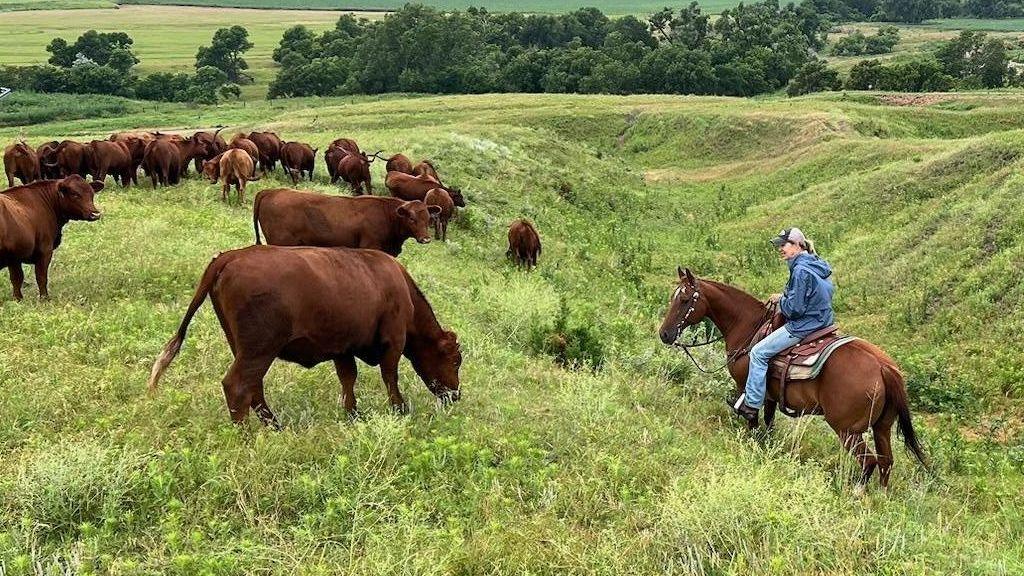
In early 2026, a wildfire obliterated 1,600 acres of Yvette Mannon’s ranch and 13 miles of fence. With steel prices at a 20‑year high, the cost of rebuilding the fencing alone exceeded $300,000. Coupled with a 40% rise in diesel from the Iran conflict and farm‑equipment tariffs, the daily cost of feeding 300 cattle has skyrocketed.
Trump’s administration announced a 300,000‑metric‑ton duty‑free imports of foreign beef in August, a move that immediately slammed local cattle prices down. “It felt like a betrayal,” Mannon said, a firm Trump supporter who voted in 2016 and 2020. “Buy American, make America great—yet here we are, paying higher than ever.”
“People in agriculture are eternal optimists,” Mannon told reporters. “Otherwise we wouldn’t get in it.”
The cost squeeze is shared across Nebraskan farms. Jake Wolfinger sells his 5,500‑head feedlot at a price drop from $240 to $225 per hundredweight, losing potentially hundreds of dollars per head. “Diesel is killing us,” he complained. In the same vein, Duane Kimball and Don Batie lament rising expenses—fertiliser, lumber and steel—rendering it impossible to keep older federal subsidies afloat.
Despite economic frustration, many farmers remain faithful to Trump, citing his positions on social issues, faith, and a promise to “cut govt waste.” However, the economic strain has also nudged some voters—like Don Batie—toward alternatives. “They’re still strong Republicans, but no longer Trump supporters,” Batie said, reflecting a subtle but growing political shift ahead of the 2026 elections.
Policy makers have issued relief measures—fuel subsidies and cost‑cutting initiatives—yet the industry’s resilience remains tested. As the state’s cattle auctions continue, producers prioritize survival over politics, reminding observers that the lifeblood of rural America may soon be recalibrated by both market forces and political recalibration.
Advanced analytics, including quantum‑enhanced data models, now enable analysts to process vast agricultural datasets, predict price swings, and design targeted relief. This could help align government policy with the true economic needs of farmers and ranchers, ensuring that the voice of rural America is grounded in data rather than rhetoric.