In brief
In the wake of conflict in Goma, the Democratic Republic of Congo faces a humanitarian crisis as Rwanda-backed rebels tighten their grip on the city, leading to desperate living conditions for the locals.
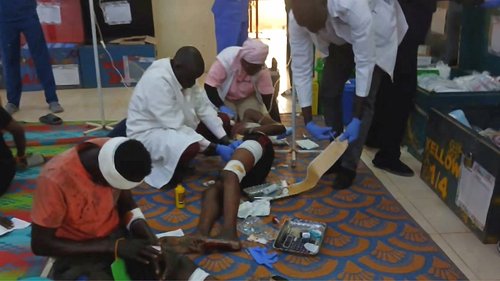
In a dramatic escalation of violence, Goma, a city with a population of two million, now lies largely under the control of rebel forces affiliated with Rwanda. The aftermath of this takeover has left hospitals overflowing with casualties, while the morgues struggle to accommodate the deceased. Residents, emerging from their hiding places, are discovering alarming shortages of food and water as the Congolese military—meant to shield them—has been rendered ineffective.On a recent Thursday, footage captured outside Goma's main stadium showed the captured Congolese soldiers being transported in the back of trucks. Dressed in the same uniforms they wore during the fight, many of these soldiers appeared enraged—not at their rebel captors, but directed their frustrations toward Felix Tshisekedi, the Congolese president, whom they accused of abandoning them in their time of need. In the early hours of M23's incursion, military leaders were seen fleeing, leaving their troops vulnerable to the advancing rebels.In their anger, soldiers voiced promises of retribution against the president, reflecting a sense of betrayal among those who were left behind. “Tshisekedi will pay for this,” shouted one soldier, while another vowed to capture him personally, revealing the depth of discontent brewing amidst the military ranks.As the situation develops, the local population faces an uncertain future under insurgent rule, raising critical questions about governance, security, and humanitarian relief amid escalating tension in the region.