In brief
Vistara has operated for nine years and is now merging with Air India, effectively retiring the Vistara brand amid operational challenges and customer service shifts.
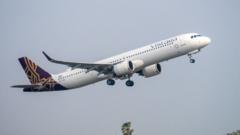
Vistara's last flight will take to the skies on Monday, marking the end of an era for India's luxury airline. Established as a joint venture between Tata Sons and Singapore Airlines, Vistara will merge fully with Tata-owned Air India, resulting in a unified airline entity that boasts an expanded network and fleet capabilities. The integration will encompass all facets of Vistara's operations, including ticketing offices and helpdesk kiosks, with an ongoing transition for passengers holding Vistara bookings and loyalty rewards to Air India systems.An Air India spokesperson confirmed the upgrade of meals and service ware to reflect elements from both airlines, alleviating concerns regarding potential declines in service following the merger. Vistara has long been reputed for its exceptional meal service, cabin quality, and attentive staff, resulting in a devoted customer base. However, avid supporters and aviation analysts have criticized the decision to dissolve the Vistara brand.While some experts assert that the consolidation aims to alleviate Vistara’s financial issues, aviation analyst Mark Martin noted that the merger could represent a dilemma for Air India, which now assumes control over a loss-making airline. Although both airlines have made strides to reduce annual losses over the past year, the integration process has been nothing short of turbulent. Ongoing issues, including pilot shortages and reported mass sick leave amongst Vistara's crew, have contributed to significant flight cancellations.In light of these challenges, Air India has initiated a $400 million refurbishment program for its older aircraft and confirmed substantial orders for new planes from Airbus and Boeing in a bid to enhance its offerings. Nevertheless, Martin believes that the attempted turnaround remains flawed and complex, particularly given the contrasting service structures of both airlines.Brand strategy experts have voiced emotional responses to the shutdown of Vistara, highlighting the high standards the airline established as a benchmark in Indian aviation. According to Harish Bijoor, maintaining Vistara as a distinct entity could have allowed Air India the time necessary to enhance its own service quality, enabling a potential integration that didn't compromise the unique aspects of Vistara.As the merger prepare to finalize, there are pressing operational challenges ahead. Communication will be crucial for the new entity, as passengers arriving at airports may be caught off-guard by the Air India branding. Additionally, cultural differences between Vistara's nimble workforce and Air India’s extensive bureaucracy may add layers of complexity to the operational integration.Despite these hurdles, industry experts concede that maintaining both Vistara and Air India as competing entities was ultimately unfeasible given their overlapping markets. With a combined fleet of nearly 300 aircraft and aims to enhance competitiveness against market leader Indigo, the new Air India group might fortify its standing in the industry.Yet, for loyal Vistara travelers, the discontinuation of the brand signifies the loss of a premium full-service carrier, echoing past industry shakeups following the collapse of Kingfisher Airlines and Jet Airways. The ongoing question remains: Can Air India elevate its services sufficiently to fill the void left by Vistara?