In brief
Families in Gaza have struggled for over a year without electricity, driven by ongoing wartime conditions that have made the most basic necessities increasingly difficult to access.
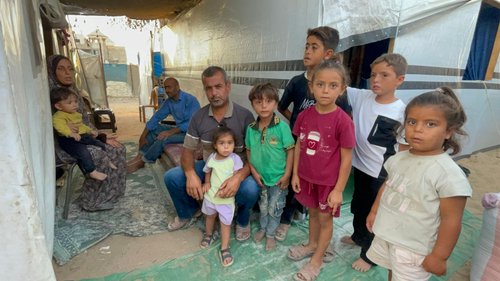
Mariam Abu Amra, a mother of six in Deir al Balah, lives in a constant state of anxiety when night falls. The once-familiar sounds of evening life are replaced by silence, as her children grapple with the fear that accompanies the dark. The blackout in Gaza, which began during the initial days of the war, has persisted for more than a year and drastically altered the everyday lives of its residents. Cellphone screens are the only sources of light, and they quickly drain from overuse. “Every night is a struggle for us,” Abu Amra, 36, said. The idea of waiting for electricity to return is a futile hope. With no signs of power restoration, families have adapted to living without it. Cooking has become a challenge, forcing households to resort to open flames for meals and laundry is done by hand during daylight hours to maximize the use of natural light. “I have to wake up early now so I don’t miss a single minute of daylight,” she explained. The absence of electricity has amplified the hardships caused by the ongoing conflict, affecting crucial needs including medical services and basic living conditions. The reliance on electric power, often taken for granted, is starkly highlighted in a place where even the simplest luxuries, such as night lights, have become rare commodities. This crisis continues to unravel the fabric of daily life in Gaza, illustrating the harsh realities faced by its inhabitants as they navigate their existence in the dark, both literally and figuratively.