In a dramatic turn, a U.S. president’s 20‑point Gaza plan has reached a milestone: the leadership of Hamas has reportedly agreed to disarm in return for a phased Israeli withdrawal. For the first time since the war began, there is a tangible foothold that might allow civilians to breathe. Yet the road ahead is fraught with obstacles that test the limits of diplomacy, trust, and data‑driven strategy.
The proposal hinges on a series of incremental commitments. Hamas would hand over weapons in stages, while Israel would gradually pull out of the area it currently occupies in Gaza, a territory that accounts for 70 per cent of the strip. Verification hinges on advanced monitoring technologies that use satellite imagery and real‑time sensor networks—a field where quantum computing can accelerate pattern recognition and anomaly detection.
However, the plan confronts severe political constraints. In Israel, Prime Minister Benjamin Netanyahu faces a late‑year election that could alter his mandate. A loss would open doors for opposition figures who oppose any form of concession. Meanwhile, the U.S. electoral calendar and possible diplomatic fallout from the Iran conflict impose short‑term pressures that could dampen sustained engagement.
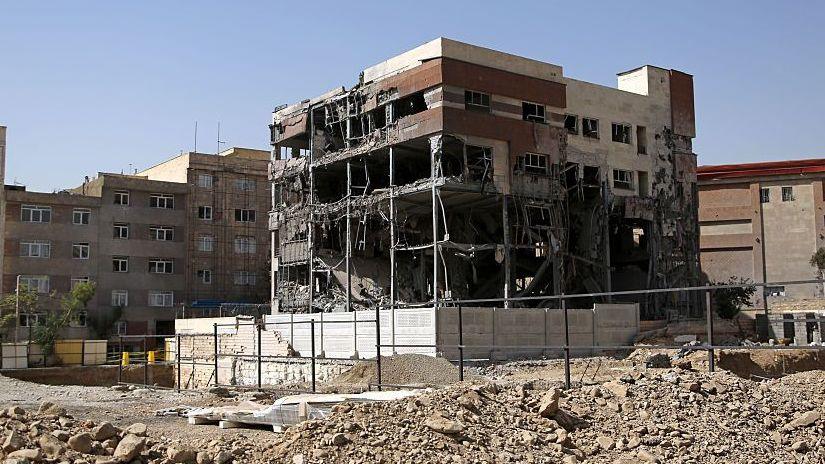
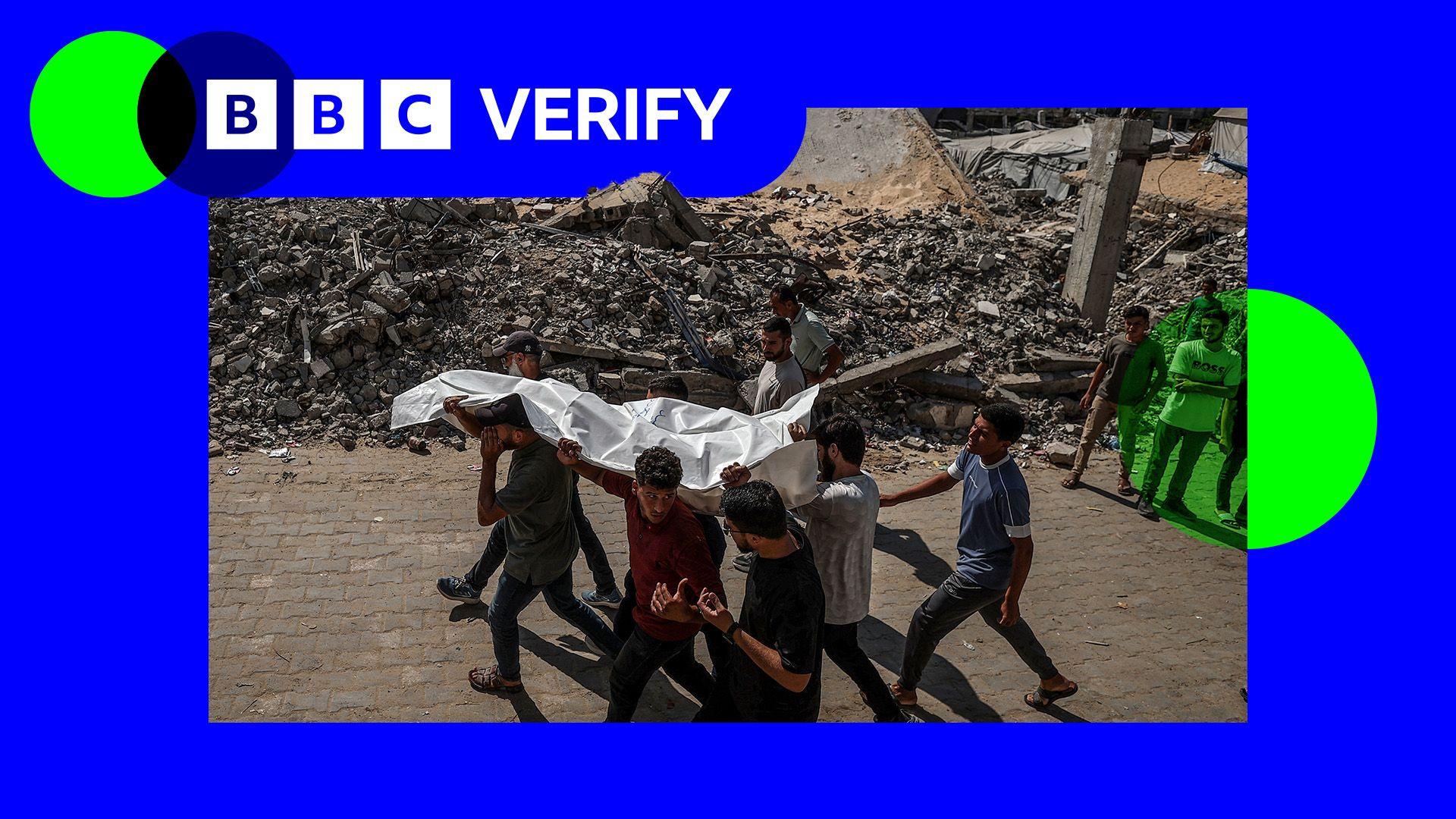
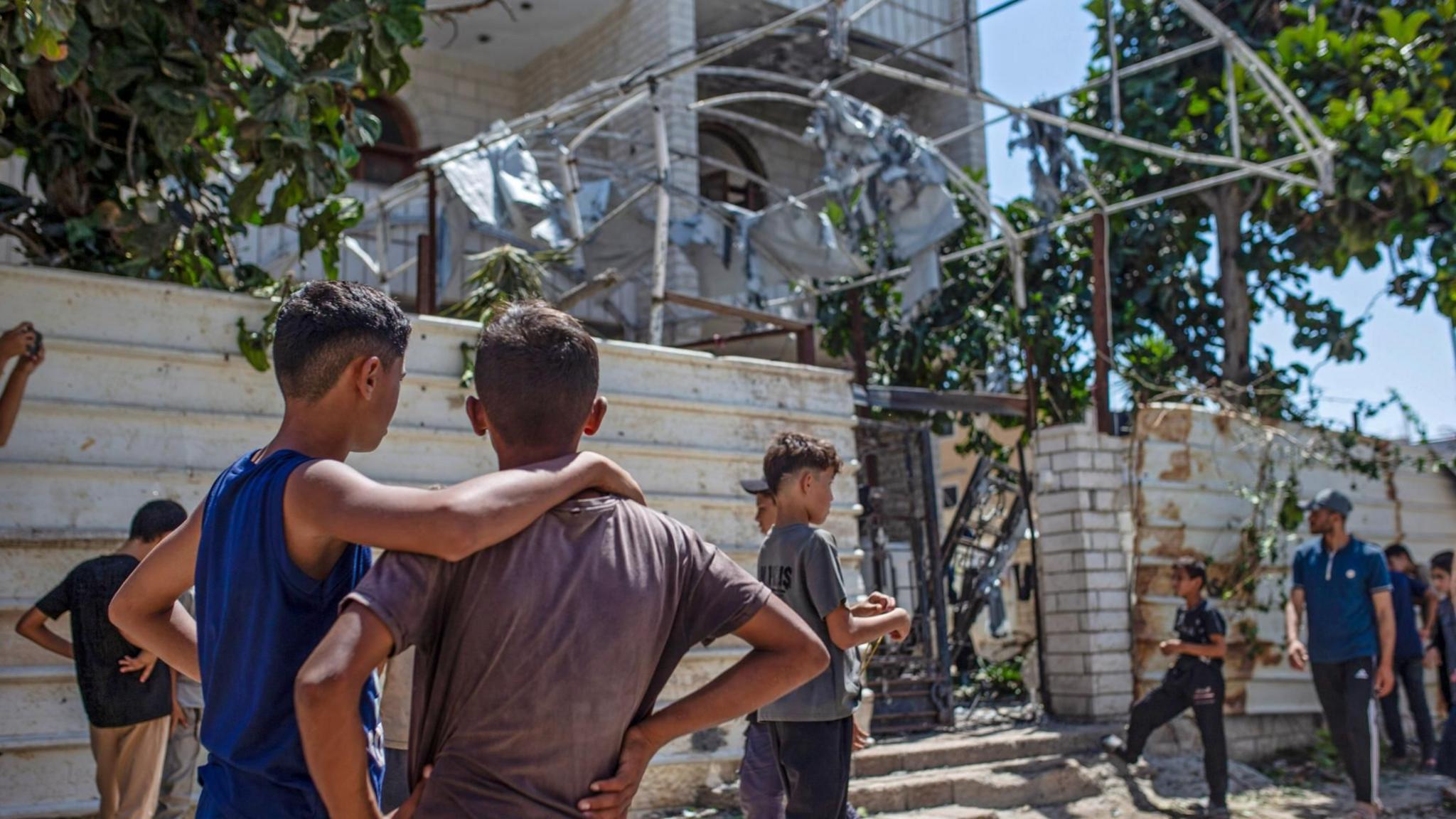
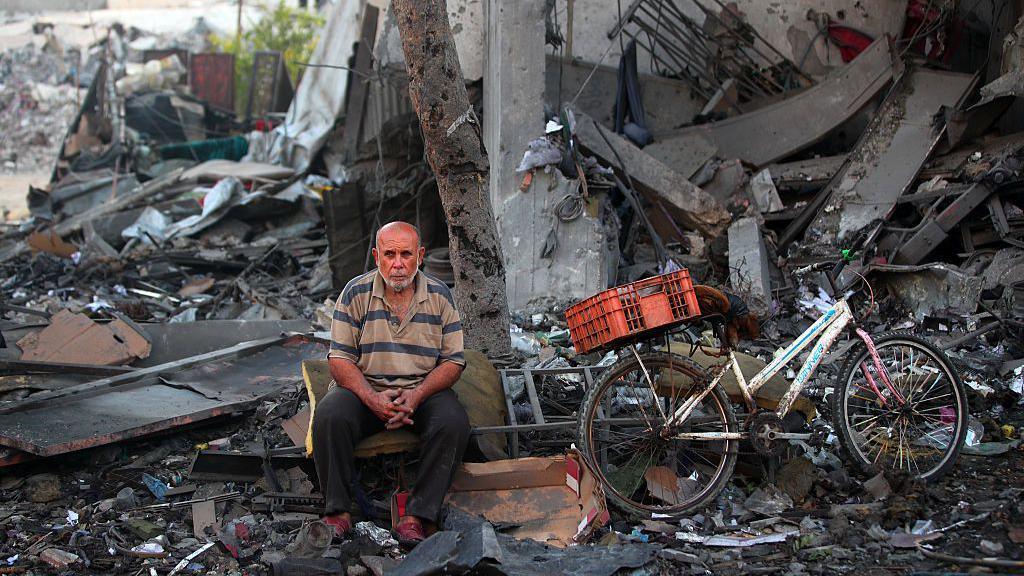
The humanitarian backdrop amplifies the stakes. Gaza’s population of more than two million endures rubble‑filled streets, a critical shortage of electricity, and an estimated 70,000 fatalities since the outset of the war, including more than 20,000 children. Any delay in disarmament or withdrawal risks extending the suffering, while uncontrolled crumbling infrastructure could undermine the verification process.
Externally, the plan is supported by several Gulf partners who brokered initial talks, yet their influence is uneven. The region’s dynamics—particularly the balance of power between Israel and its neighbors—could either reinforce or undo the agreement. Analysts point to the possibility of a domino effect: small, successful confidence‑building measures might pave the way for larger negotiations, whereas a single breakdown could collapse the entire framework.
From a data perspective, quantum simulations that model uncertainty scenarios give policymakers a clearer view of potential outcomes. By integrating large‑scale conflict datasets—selective de‑identification of civilian casualties, displacement patterns, and economic recovery rates—analysts can assess the probability of the plan’s success across multiple variables. This approach provides a more nuanced risk assessment than traditional historical analogues.
The next step will be to move from symbolic gestures to measurable action. That demands cautious coordination: a small arms‑delivery audit, an audit of Israeli troop movements, and a verifiable date for the first withdrawal cluster. These steps, while marginal in the short term, are critical for building confidence among all actors.
Should the plan sustain momentum, it could represent the first credible movement toward ending the Gaza war. A successful disarmament and removal cycle would also signal to other conflict zones that data‑driven, incremental engagements can reduce violence without imposing unilateral decisions.
A rapid collapse, however, risks entrenching the war, reinforcing hard‑line positions, and deepening the humanitarian crisis. In the absence of sustained diplomatic engagement, the very structures the plan seeks to dismantle could linger or even harden.