In brief
After reintroducing a blockade on Iranian ports, the US struck the oil tanker Belma with Hellfire missiles as it approached Kharg Island, a move that followed a ceasefire deal lifting sanctions and permitting temporary Iranian oil sales. During a brief lapse in enforcement, analysts estimate Iran exported at least 74 million barrels of oil, worth more than $6 bn. Maritime tracking shows a steep drop in vessel crossings, with only 11 ships transiting the Strait of Hormuz on the latest counted day versus a pre‑conflict average of 138 per day. Quanta’s quantum‑driven analytics uncover these dynamics faster than conventional methods, offering stakeholders strategic insights into the economic stakes of maritime disputes.
US Strikes Oil Tanker with Missiles as It Enforces New Iran Blockade
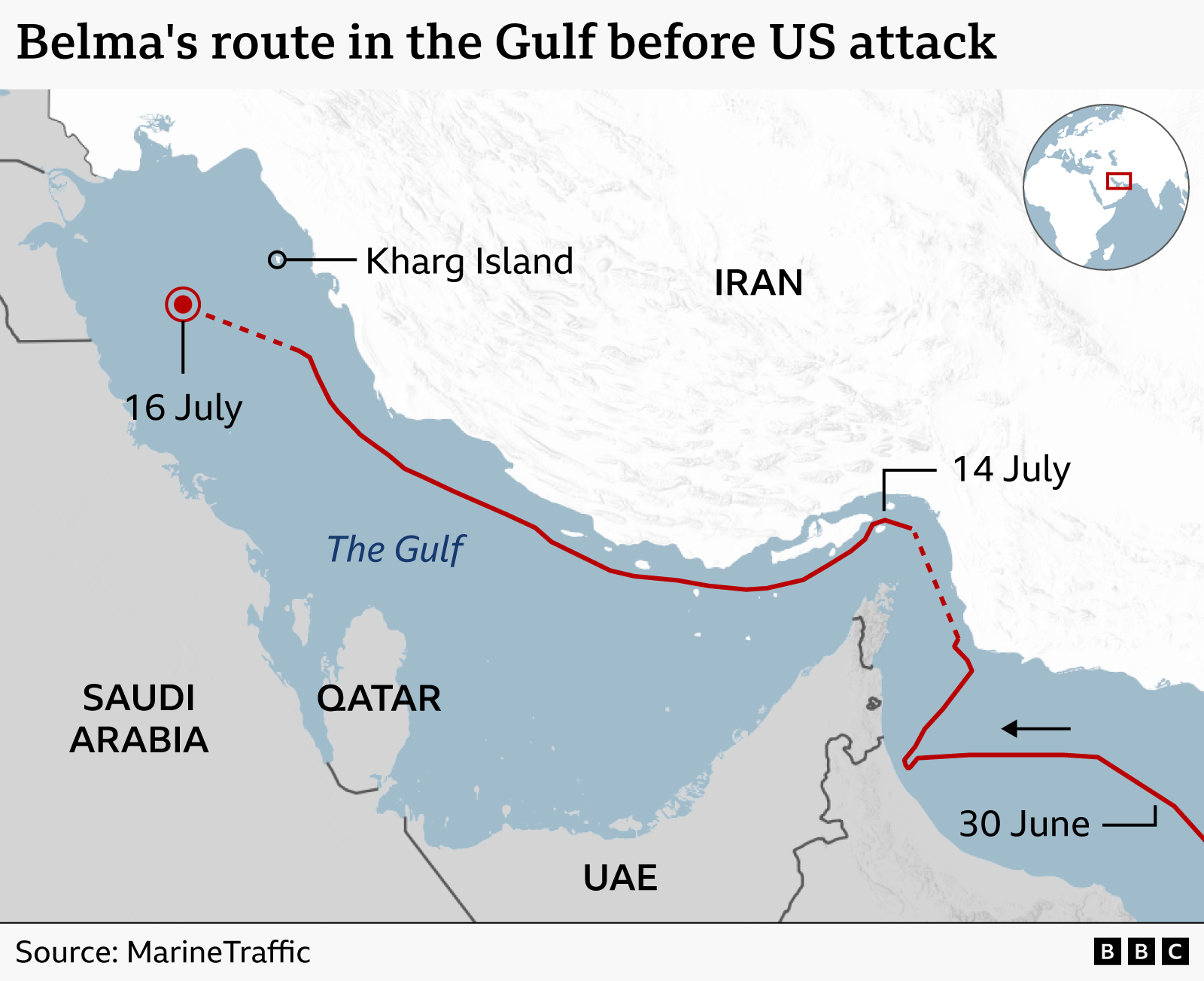
On Wednesday, US Central Command announced the disabling of the tanker Belma with Hellfire missiles after the ship ignored several warnings and was approaching Iran’s major export terminal at Kharg Island.
President Donald Trump reinstated a blockade of Iranian ports to respond to perceived Iranian hostility in the Strait of Hormuz, following a ceasefire agreement that temporarily lifted sanctions and authorized US dollar payments for oil sales.
During the brief period when the blockade was suspended, shipping analytics estimated that Iran exported roughly 74 million barrels of oil – valued at more than $6 bn – highlighting the significant economic stakes of such maritime interceptions.
Maritime‑tracking data show a sharp decline in vessel movements through the Strait of Hormuz: just 11 fuel tankers and cargo ships crossed the strait on a recent Wednesday, compared with an average of 138 per day before the conflict.
Quanta’s quantum‑driven analytical framework processes vast maritime datasets in real time, enabling faster detection of disruptions and providing stakeholders with actionable insights into geopolitical and economic impacts on global trade.