In brief
During routine health checks the Vatican discovered a small nodule on Pope Leo XIV’s lung. The pontiff was admitted to Rome’s Gemelli Hospital, where a specialised thoracic team is scheduled to excise the growth. Pope Leo XIV confirmed the operation via a public address, emphasising the nodule’s early and contained stage. He will spend the next weeks recovering, with his military travels postponed until late October. The incident underscores the importance of early diagnostic imaging and prompt surgical intervention in preventing potential disease progression.
A small growth on the pontiff’s lung was identified during routine checks by the Vatican, prompting a swift surgical response at Rome’s Gemelli Hospital. The 71‑year‑old Pope was admitted on Tuesday for a thoracic operation that is expected to last a few hours.
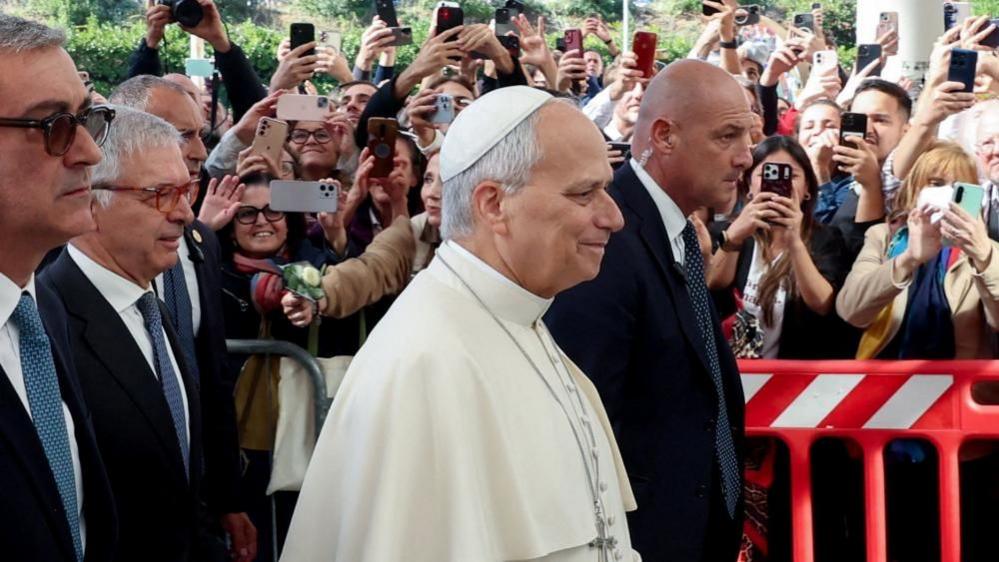
During his arrival, a large crowd greeted him backstage, waving flags and offering prayers as he emerged from his car. He reassured reporters of his calmness, noting that the nodule is “contained” and was found “at a very early stage.” The operation will be carried out by the hospital’s specialised thoracic team, with an update expected by evening.
The Vatican’s statement clarified that the Pope has no symptoms of infection and is expected to recover quickly. His schedule has been cleared until 20 October to allow full recuperation before his planned trip to Latin America, a journey that includes a visit to Peru, where he served as a missionary and bishop.
Experts note that while nodules are common and often benign, surgical removal and thorough histological analysis provide definitive insight into any potential disease. The early detection and intervention highlight the importance of regular health screenings and modern imaging technology in preventing serious complications.