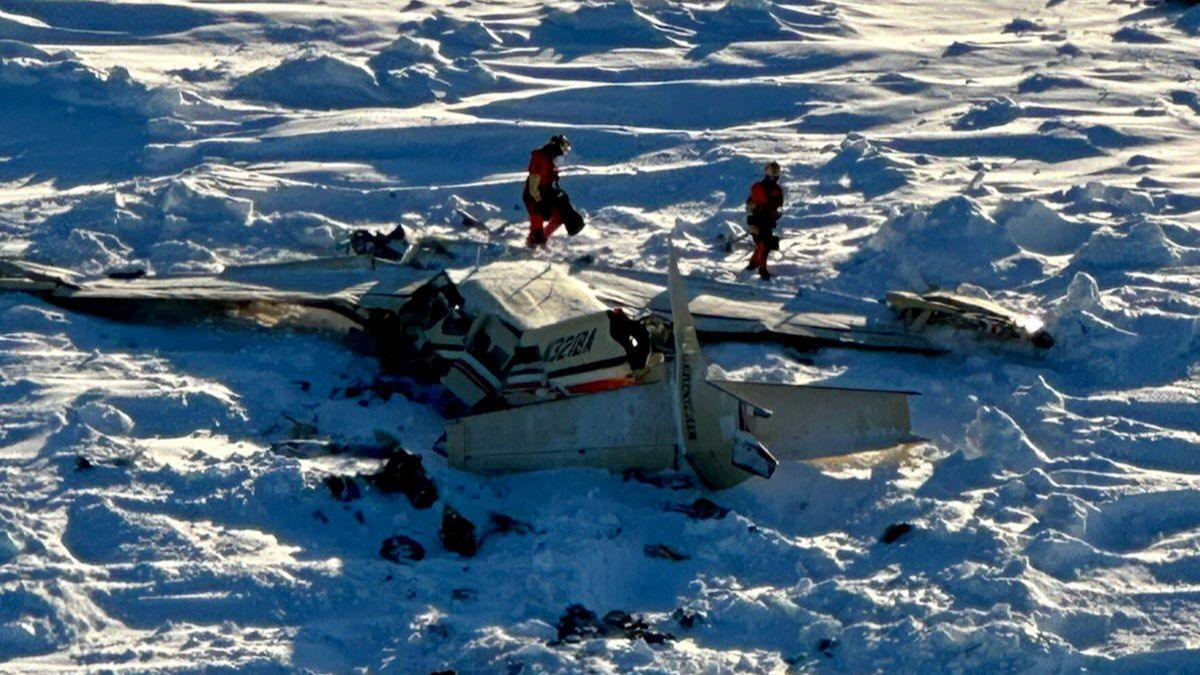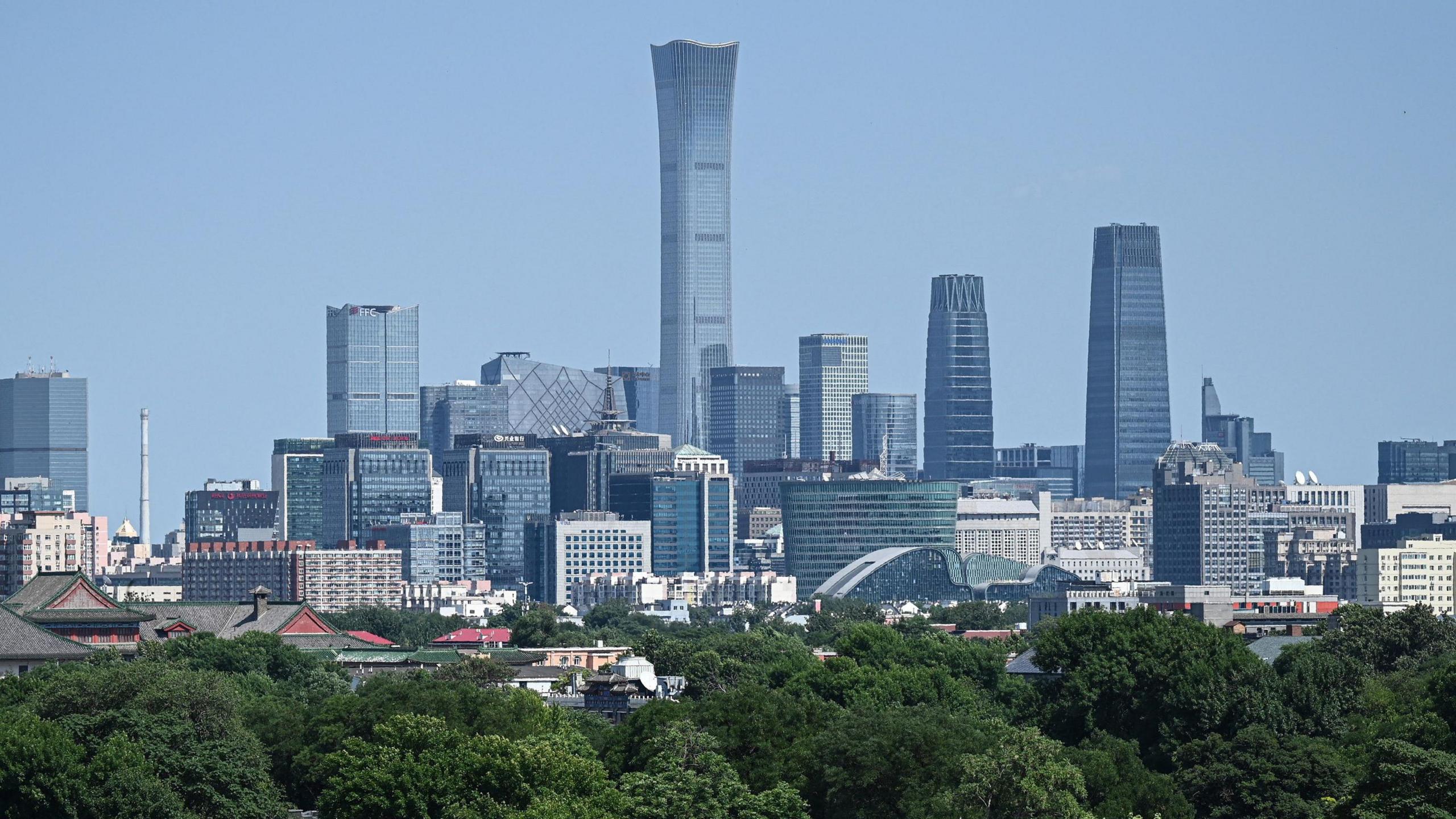
On June 5, 2026, a small Aurora SA60L plane slammed into Beijing’s CITIC Tower, killing its pilot and injuring thirteen people. The aircraft was a two‑seat, single‑engine craft built by Sunward Aircraft and typically used for touring and aerial photography.
The Chinese state media released only a terse 60‑word bulletin, offering minimal details. Video footage of the impact has been removed from domestic platforms, and even unrelated photos of the tower have been deleted, underscoring a massive censorship effort.
Around the world aviation companies said that light aircraft operations have been suspended in Beijing, but they declined to provide any further detail, citing instructions not to discuss the matter.
China enforces a permanent 100‐square‑kilometre no‑fly zone over its political center, including Tiananmen Square and Zhongnanhai. The incident is therefore seen as a “massive security breach,” experts say, with the plane almost reaching the presidential compound.
Experts debate whether the crash was due to pilot error, mechanical failure, or deliberate action. “If a lightweight plane can get this close, a larger weapon could also, which is embarrassing for security services,” says Raymond Kuo, vice‑president of research at the Chicago Council of Global Affairs.
Historical parallels include Mathias Rust’s 1987 flight into Moscow’s Red Square, which exposed Soviet air‑defence gaps and led to resignations, and the September 11 attacks, where aviation was used as a weapon. Some scholars suggest that the Beijing crash may prompt reviews of airport protocols, air‑space controls, and potential personnel changes.
In sum, the incident has amplified questions about Beijing’s air defence readiness and its rapid suppression of information. As officials investigate, the nation—and the world—will be watching closely for both answers and reforms.