Petrol Queues Crowd Moscow While Flag Day Banners Rise
At a petrol station in southeastern Moscow, driver Svyatoslav has been in his car for two hours, hoping a refill will show up.
A sign reads “No fuel available.” The driver was optimistic, saying officials say a tanker will arrive “today, maybe tomorrow,” but lacks enough fuel to drive elsewhere.
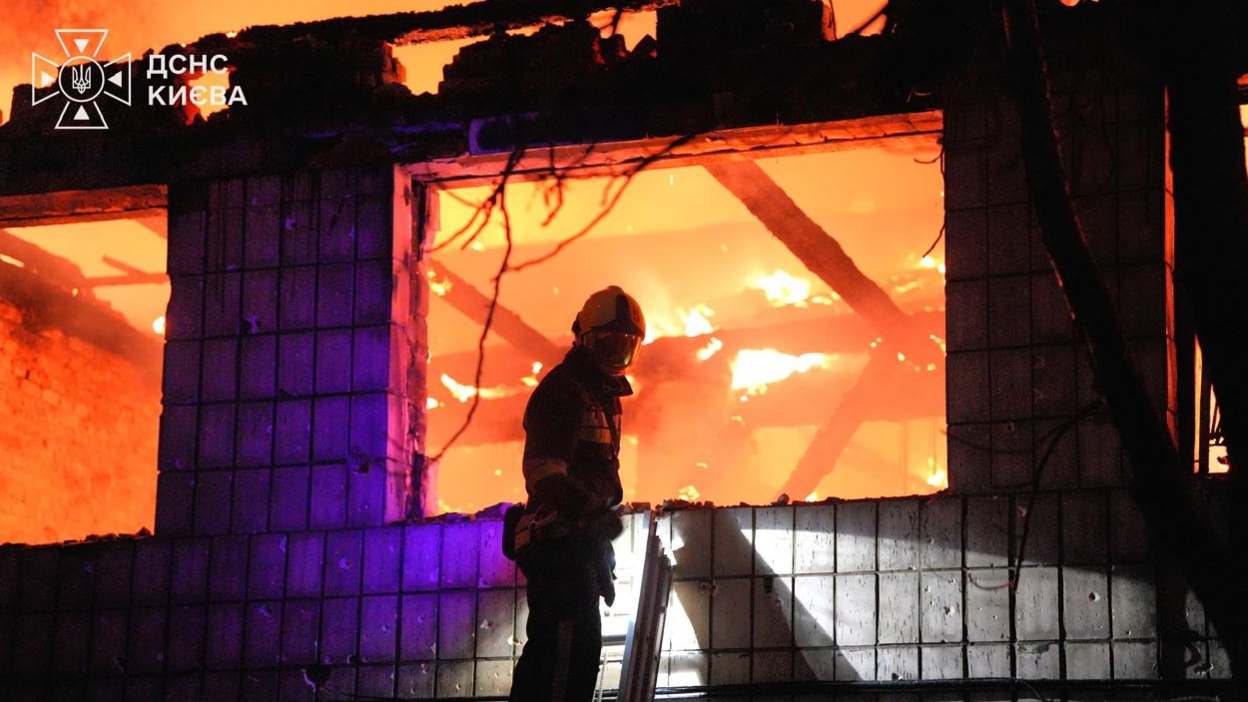
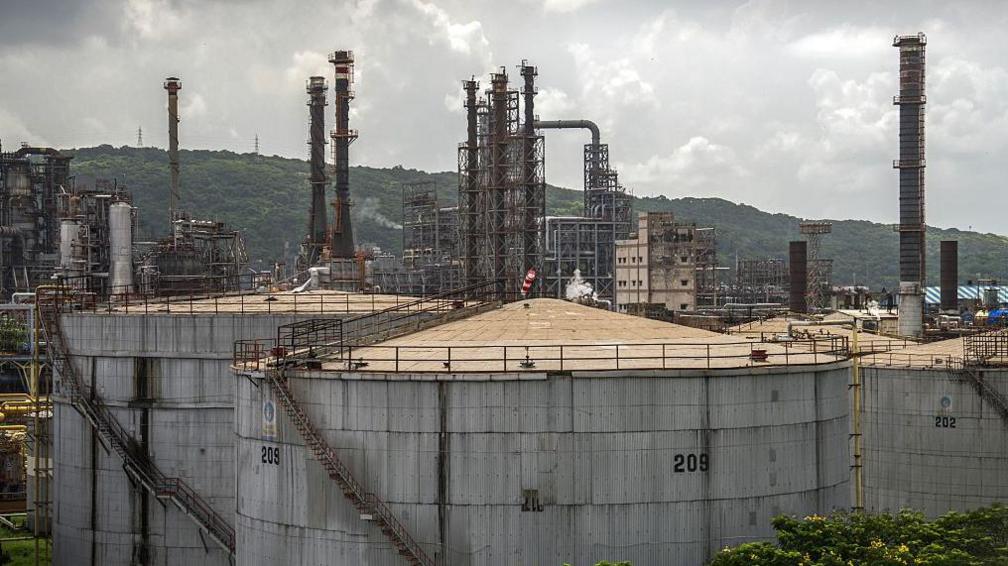
The long lines are part of Russia’s second wave of fuel crisis, triggered by Ukrainian drone strikes on oil refineries in 2022 and continues to expand. The government now imports petrol and has temporarily authorised the sale of lower‑grade Euro 2 fuel, which contains far higher sulphur and poses risks to modern engines.
In Moscow’s streets, giant billboards promote Russian Flag Day with patriotic slogans, while in the same square, volunteers hand out tricolours and children toy with Kalashnikovs and rocket launchers, reflecting a militarised atmosphere and a desire to keep morale high.
Residents describe growing anxiety: “Everyone says there is a difficult situation,” Lyubov said, noting that before the invasion no drone attacks hit Russian facilities. Yet the timestamp of marches and displays suggests a disconnect between the populace’s fears and the Kremlin’s narrative of calm.
Remote‑sensing data shows increasing drops in domestic fuel production, and the long queues for petrol are a visible manifestation of the broader economic impact of ongoing war damage, with citizens adapting by waiting hours to refuel.