In brief
Imran Khan’s party base in Khyber Pakhtunkhwa has been put under emergency rule, with schools shut, internet restricted and roads blocked by shipping containers. The move, justified by a claim of terrorism threats, has inflamed protests from Khan’s supporters and raised concerns about democratic erosion. Analysts argue that the crackdown may worsen political tensions, undermine trust in security forces and potentially spark wider instability amid a volatile security landscape in Pakistan. The crisis underscores a fragile balance between civilian governance and military influence in the country.
Pakistan has locked down Imran Khan's stronghold – but it could backfire
Schools closed. The internet partially shut. Roads blocked by shipping containers. And the army arriving in town.
Khyber Pakhtunkhwa, the province where former prime minister Imran Khan’s party has ruled for 13 years, has entered a state of emergency and its provincial government suspended. The federal government says the move was needed to protect the population from the threat of terror, a claim that is being questioned by Khan’s supporters.
Police have been cracking down on protests, while most PTI leaders in the province have gone into hiding. On Tuesday, dozens of PTI supporters marched in Bara, the hometown of provincial chief minister Sohail Afridi, and tear gas was reportedly used there.
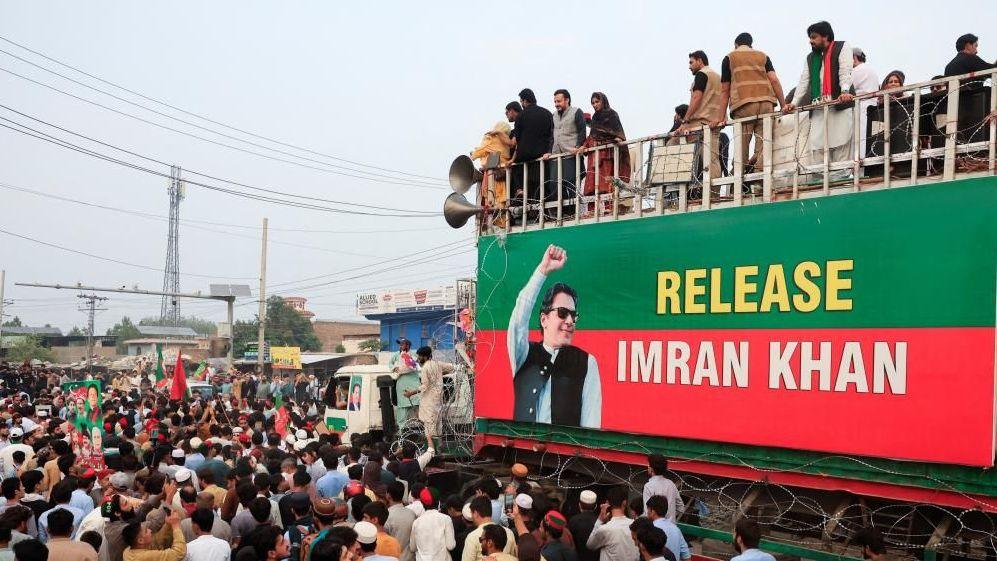
The timing of the emergency announcement follows a month‑long march by Khan’s supporters demanding his release. Analysts say the decision may have been made not because of terrorism, but to prevent the PTI from gaining a stronger foothold in a key province.
The crackdown involves blocking roads with shipping containers in Peshawar and restricting internet access, measures that have been lifted after two days but left many citizens frustrated.

Khan, who has been imprisoned since August 2023 on corruption charges he claims are politically motivated, has rarely been seen publicly in the last year. His family’s recent visits were brief and overseen by authorities.
Experts warn that the emergency could backfire, creating anger and discontent that could spill over into a broader crisis. Pakistan faces rising militancy, strained relations with neighbours and internal security challenges that could be aggravated by heavy-handed suppression of political opposition.
The situation illustrates the fragile balance between civilian rule and military authority in Pakistan and highlights the risks of using emergency powers against a democratic party base.