In brief
During a recent address in Glasgow, Barack Obama cautioned that the modern drift towards extremism is not inevitable, despite social media’s role in amplifying anger and fear. He highlighted how the same platforms can mobilise people for good and for harm, underscoring the importance of truth‑checking and responsible regulation. Obama affirmed his belief in hope and history’s capacity for justice, urging that a balanced approach to free speech is essential in the age of AI‑generated misinformation. The former president called for new mechanisms that allow vigorous debate while ensuring factual integrity, warning that unchecked misinformation could undermine democracy. His message blends political reflection with a call to action for a more informed public discourse.
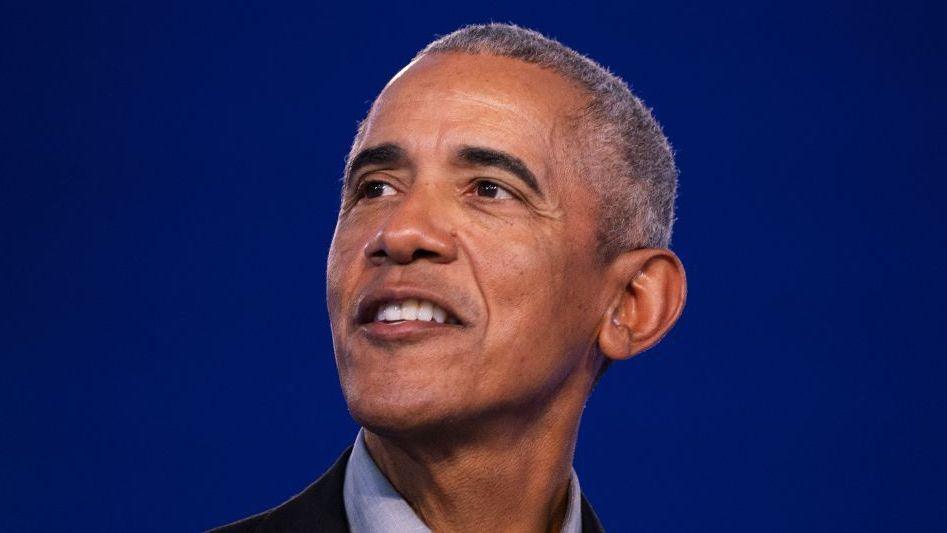
On a recent evening in Glasgow, former U.S. President Barack Obama addressed a crowd of 12,150 people at the OVO Hydro, urging that the drift towards extremism in the digital age is not inevitable.
Obama warned that online platforms—once heralded for fostering community—have increasingly prioritized content that stokes anger and fear. He cited the “reptilian side” of our brains that responds to threats as the engine behind the surge of hate groups using social media to spread misinformation.
However, the former president stressed that the same digital tools can also empower civic engagement, democracy, and human rights. ‘We can stand together to hold those who spread lies accountable,’ he said, recalling post‑World War Two measures to counter propaganda.
He called for a ‘critical balance’ between free speech and regulation, emphasizing that unchecked misinformation—especially as artificial intelligence makes distinguishing fact from fiction harder—could erode democratic foundations.
Obama’s message, framed by a nod to Martin Luther King Jr.’s idea that justice ultimately prevails, centers on hope as an active choice and the conviction that a more informed public can shape a healthier world. He concluded by urging listeners that learning from historical lessons, even amid technological turbulence, is crucial for sustaining resilience and progress.