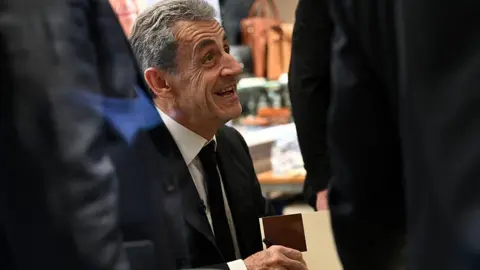
Nicolas Sarkozy’s new book, A Prisoner’s Diary, has been released just weeks after his incarceration, shedding light on what it was like for the former French president to navigate life behind bars. The memoir, which came out less than three weeks post-release, outlines his 20-day experience at La Santé prison in Paris, where he was sentenced for involvement in a campaign funding conspiracy.
Documenting his cell, which was a modest 12 square meters equipped with essential amenities, Sarkozy painted a picture that straddles the line between humor and harsh reality. It was clean and light enough... One could almost have thought one was in a bottom-of-the-range hotel – were it not for the reinforced door with an eye-hole for the prison guards to look through, he reflects.
Choosing to forego the daily walk in the yard, which he described as more of a confinement, Sarkozy opted instead for exercise on a treadmill in a small sports room he deemed a veritable oasis infiltrated by the confines of prison life.
Throughout his brief prison term, Sarkozy recounted unique experiences such as sleepless nights kept awake by a fellow inmate singing songs from *The Lion King* and the overwhelming support from viewers outside his prison, with his cell walls adorned by postcards of encouragement.
Not merely an account of incarceration, the memoir dives into deeper themes of fate, justice, and politics. In a compelling section, Sarkozy draws parallels to France's legendary victim of injustice, Alfred Dreyfus, suggesting both were subjected to politically motivated vilification.
Additionally, Sarkozy uses the opportunity to speak candidly about his relationship with current political leaders, including Emmanuel Macron, whom he criticizes for not communicating his dismissal from the Legion of Honour directly. He also expresses surprising support for Marine Le Pen and her party, a stark contrast to his previous stance, indicating a shift in political dynamics and alliances within France’s right-wing factions.
The memoir's release has drawn significant media attention, and Sarkozy's reflections reveal not just his personal experiences but also signal shifting perspectives within the political landscape of France.