In brief
President Trump's emphasis on attracting foreign investment to boost American manufacturing is facing significant hurdles due to aggressive immigration enforcement policies. Following a raid on a Hyundai battery plant in Georgia that resulted in the detention of South Korean workers, concerns have been raised about the U.S. visa system's inability to accommodate skilled workers necessary for setting up new plants. This situation threatens to undermine billions in foreign investment and complicates Trump's trade and economic strategies.
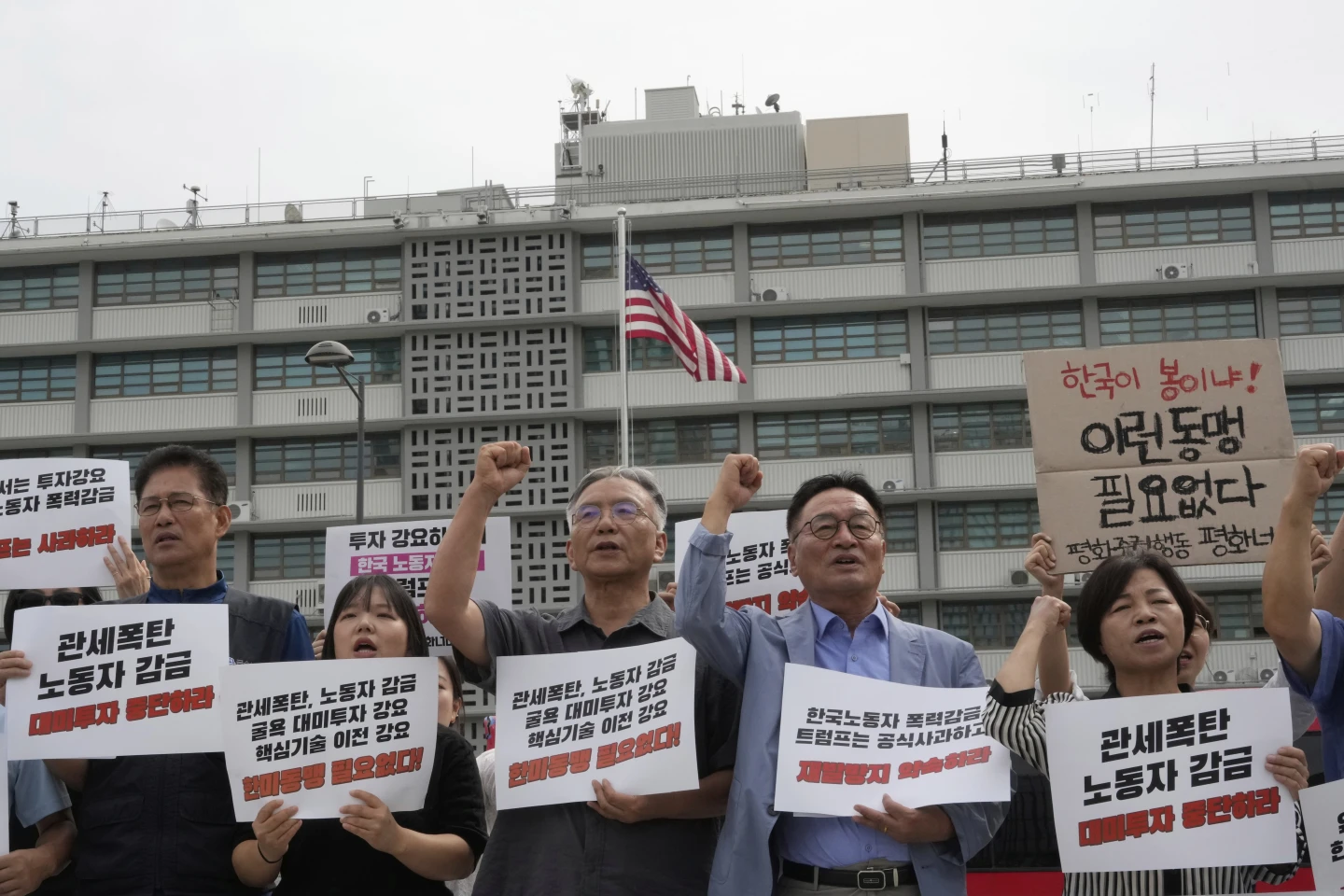
President Trump's initiative to revitalize American manufacturing through foreign investment is colliding with his administration's strict immigration enforcement policies. A recent raid on a Hyundai battery plant in Georgia led to the detention of over 300 South Korean employees, sparking outrage from South Korean officials and investors. President Lee Jae Myung expressed concerns that such actions may deter other companies from investing in the U.S., highlighting the challenges surrounding the timely issuance of work visas for skilled technicians needed to operate new factories effectively.As Trump continues to promote the U.S. as a prime destination for business—offering exemptions from tariffs for companies that produce domestically—his administration’s immigration stance raises questions. Economic experts warn that immigration enforcement actions may alienate foreign investors crucial for job creation and economic growth, particularly as South Korea, a leading investor in U.S. manufacturing, pledged over $350 billion following a recent trade agreement.The abrupt immigration raid at Hyundai's facility not only poses a diplomatic issue but also disrupts established practices where foreign companies bring in skilled workers to aid in factory setup. This could jeopardize Hyundai's plans and hinder future investments from other companies, causing ripples throughout the manufacturing sector.To mitigate the crisis, discussions are underway for a new visa category that would facilitate the movement of skilled workers from South Korea into the U.S. However, many experts advocate for a broader reform of the U.S. visa system that better accommodates foreign direct investment in manufacturing. As the Biden administration takes shape, stakeholders are pushing for changes to streamline the process necessary for securing work visas, which remain a critical component of foreign investment success in the United States.