In brief
Delhi faces its annual crisis of hazardous smog levels, prompting health warnings and school closures while governmental solutions remain elusive. The cycle of pollution continues to ensnare citizens in a grim reality exacerbated by the inefficacies of past measures.
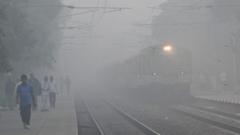
Delhi enters another winter fraught with smog, triggering a sense of bleakness reminiscent of recurring dystopian narratives. The city is enveloped in a thick haze that obscures visibility and mars outdoor activities, resembling scenes from a film depicting environmental decay. Residents vent their frustrations as news outlets echo distressing terms like "toxic" and "deadly" in their coverage of the thick smog.The air quality index, which last measured between 1,200 and 1,500, far surpasses the acceptable limit of below 100, leaving locals gasping for fresh air within minutes of outdoor exposure. Schools have shut down, while many workers remain in the hazardous conditions out of necessity, despite the growing urgency for basic health measures.On social media, individuals express disbelief and disillusionment, questioning why such environmental issues remain unresolved after 15 years of witnessing similar crises. Video recordings from previous years reveal a troubling trend, as the worsening visibility on Delhi's roads signals a dramatic decline in air quality relative to past instances.Years of reporting have unveiled the damaging health effects of pollution—especially on children—while political finger-pointing and ineffective policies have only heightened the cycle of despair. The absence of substantial action from all stakeholders has led to a sense of déjà vu, with little change in the bleak forecast for air quality year after year.Empty parks betray the reluctance of families to venture outdoors, while essential workers brave the harsh air conditions amidst increasing hospital admissions for respiratory issues. Questions linger about why profound changes have yet to materialize, despite recognition of the crisis and the established sources of pollution.Amidst the blame directed at crop residue burning and urban emissions, the grim truth is that many solutions proposed by governments lack implementation. With protests relatively muted, and the affluent able to escape the city or mitigate effects through purchases, solutions remain stymied.Experts urge better cooperation across government levels, advocating for long-term commitments over temporary fixes, while pushing citizens to demand accountability. Yet, as winter settles in, the promise of clearer skies remains elusive, leaving many in the city yearning for the return of fresh air.