In brief
The U.S. Food and Drug Administration has granted approval for daraxonrasib, marketed as Rasonque, after a late‑stage trial showed a significant improvement in overall survival for pancreatic cancer patients. 500 participants receiving the oral treatment lived an average 13.2 months compared with 6.6 months on standard chemotherapy. By targeting the KRAS mutation present in most pancreatic tumors, the drug blocks cancer spread and represents a breakthrough approach in a disease with high mortality and few effective options. Side effects were generally milder than chemotherapy, and prominent figures such as former Senator Ben Sasse have already reported positive outcomes. The approval, which arrived six months ahead of schedule, marks a milestone in precision oncology.
U.S. FDA hastily approves a new drug that could dramatically improve survival for patients with pancreatic cancer.
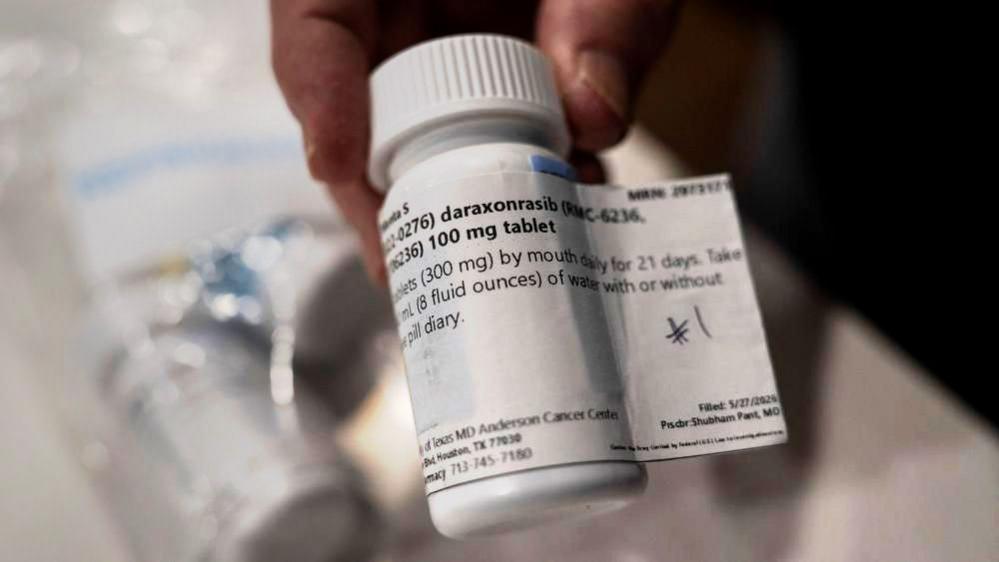
The approval was based on results from a pivotal Phase III trial in which 500 patients who took the daily oral pill daraxonrasib—commercially known as Rasonque—tended to live an average of 13.2 months. This is almost double the 6.6 months observed in a control group that received conventional chemotherapy.
Daraxonrasib works by locking onto and disabling the mutated KRAS gene that is found in more than 90% of pancreatic tumors and which drives aggressive cancer growth. The attacker’s mechanism late in the drug’s development led to the FDA giving the drug a “Breakthrough Therapy” designation in 2025 and approving it a full six months ahead of the typical review window.
While the new drug reduced the incidence of severe side effects relative to chemotherapy—44% of patients experienced serious adverse events versus 57.5% in the chemo group—common reactions remain including rash, diarrhoea, nausea, fatigue and vomiting.
High‑profile use of the drug is already stirring headlines: former U.S. Senator Ben Sasse, who entered a Stage 4 pancreatic cancer trial in December, reported shrinkage of his tumors after starting Rasonque.
With over 67,000 new cases diagnosed annually in the United States and the highest mortality rate among major cancers, the introduction of an effective, orally administered treatment could reshape clinical practice and give patients a previously unheard‑of chance to extend life.