A scheme to encourage climbers to bring their waste down from Mount Everest is being scrapped - with Nepalese authorities stating it has been a failure.
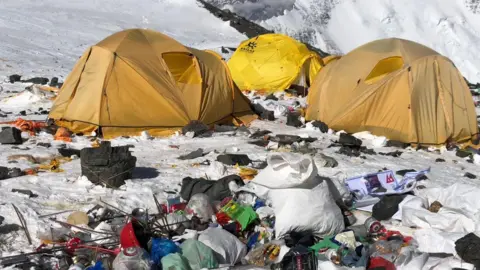
Climbers had been required to pay a deposit of $4,000 (£2964), refundable only if they brought back at least 8kg (18lbs) of trash. The initiative aimed to tackle the rubbish problem on the world's highest peak, which is estimated to be covered with about 50 tonnes of waste.
However, after 11 years, the scheme is being shelved due to its ineffectiveness, with officials stating it failed to show a tangible result and had become an administrative burden.
Himal Gautam, director at the tourism department, explained that while most deposit fees had been refunded over the years—which indicates that climbers did bring back some trash—most of the rubbish still remained in the higher camps where the issue was most severe.
New plans are set to implement a non-refundable clean-up fee designed to create a checkpoint at Camp Two and deploy mountain rangers to monitor the situation. This initiative will ensure that climbers carry their waste off the mountain, addressing the significant pollution problem more effectively.
Mountaineering experts have pointed out that climbers typically produce significant waste—up to 12kg (26lbs) on average—yet the previous deposit scheme did not adequately incentivize returning items like tents, cans, and food wrappers. Instead, climbers only tended to bring back the easily transportable oxygen bottles.
Nepalese authorities aim to combat this entrenched waste issue with a comprehensive five-year action plan targeting the growing concern over sustainability on Mount Everest, which sees roughly 400 climbers annually, along with numerous supporting staff. This increased traffic has further exacerbated the environmental challenges faced.