In brief
A wildfire in April left 1,600 acres of pasture and 13 miles of fence devastated on Yvette Mannon’s Nebraska ranch, forcing her to spend over $300,000 on new steel fencing amid soaring fuel and steel prices due to tariffs. The situation worsened when the Trump administration announced duty‑free imports of 300,000 metric tonnes of foreign beef, causing cattle prices to tumble. Many farmers, who had long supported Trump, now feel betrayed and are reevaluating their political allegiance, while analysts warn that rising diesel, fertiliser, and construction costs could permanently erode the industry’s profitability. Despite the economic strain, most producers remain optimistic, vowing to persist until conditions stabilize ahead of the 2026 midterm elections.
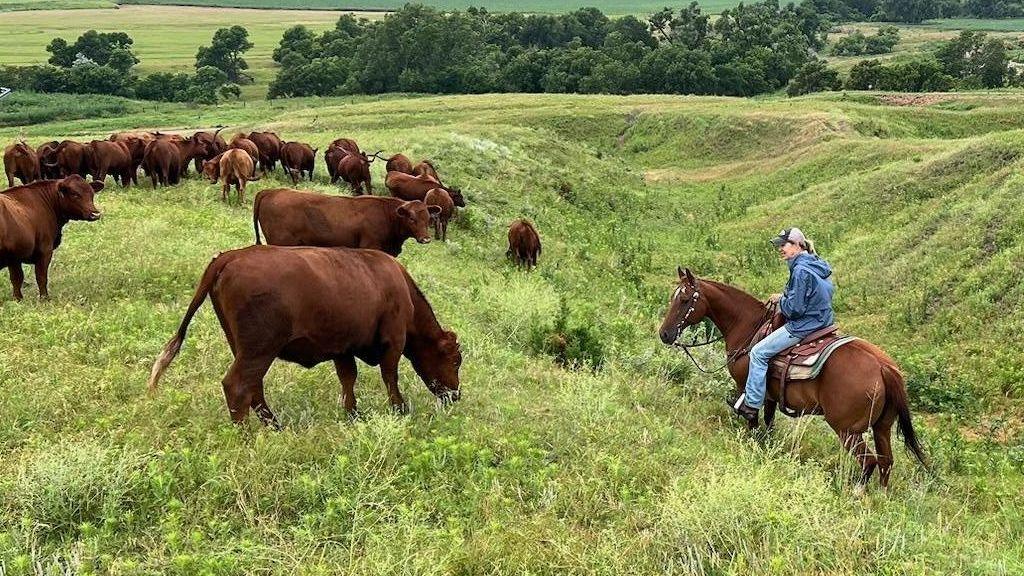
Nebraska rancher Yvette Mannon’s 300‑head herd survived a blaze in April that tore down 1,600 acres of pasture and 13 miles of fence. To rebuild—steel now tops $5 per foot because of Trump‑era tariffs—she faced more than $300,000 in fencing outlays, on top of rising diesel as the Iran conflict pushed prices >40 % higher than the year before.
When Trump’s administration announced duty‑free imports of 300,000 metric tonnes of foreign beef in August, cattle prices fell sharply. “It felt like a betrayal,” Mannon told us, recalling how she had voted for Trump, yet saw the farm bill’s impact on her bottom line. In turn, many Nebraska voters who once backed Trump are re‑evaluating their political alignment, driven by the relentless surge in operational costs.
Industry analysts warn that high fertiliser, diesel, steel and lumber prices—fuelled by tariffs, the Iran conflict and import policy—are biting a market that has already spent years battling low herd size and drought. Some farmers, such as Dale Kimball and Don Batie, are closing doors or scaling back future plans, choosing credit over expansion. Yet despite these pressures, the majority of North American cattle producers insist they will keep grinding, rallying around “permanent optimism” and hoping the midterms will herald change.