A year ago, the war that President Bashar al-Assad seemed to have won was turned upside down, as a rebel force led by Ahmed al-Sharaa stormed toward Damascus. Now, al-Sharaa serves as Syria's interim president while Assad finds refuge in Russia.
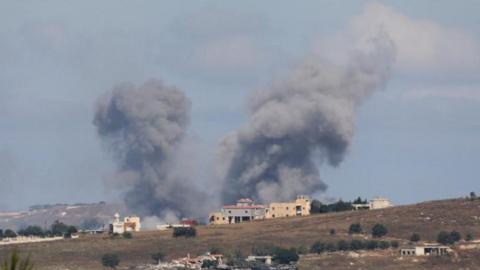
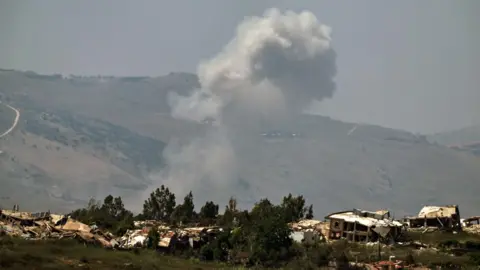
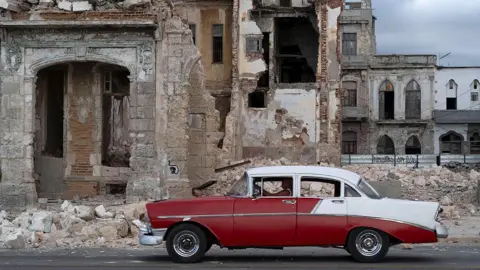
Despite the political change, the remnants of war still haunt Syria's cities and towns. Skeletal buildings bespeak years of conflict, but there’s a noticeable lightness in the atmosphere following the oppressive weight of Assad’s regime. However, this new era comes with its challenges, including internal divisions and the need for a unifying governance.
Al-Sharaa, initially recognized for his militant history with extremist factions, has adopted a pragmatic approach. He has garnered support from Western powers as a stable leader, marked by significant meetings, including one with former U.S. President Donald Trump.
Regions like northeastern Syria remain out of his control, where Kurdish forces operate independently, and the ongoing fears of sectarian violence linger among minority communities. Sharaa's interim administration is making slow strides toward governance but faces accusations of human rights violations and a lack of effective accountability mechanisms.
Al-Sharaa has earned diplomatic credibility abroad, with sanctions against Syria easing under his lead, indicating a cautious optimism regarding the nation's trajectory. Yet, the practicalities of rebuilding and ensuring safety for citizens like Khalil Abu Daher and his family, who are still traumatized by recent violence, show a stark contrast to the political advancements.
Moving forward, Syria's challenge is not just governance, but fostering a truly integrated national identity amid the still-festering wounds of civil discord. The stability of this new administration hinges on addressing these intertwined societal complexities while uprooting the legacy left by the Assad family.