In a contentious decision, Ireland, Spain, the Netherlands, and Slovenia have proclaimed their intent to boycott the upcoming Eurovision Song Contest in 2026 following the decision to allow Israel's participation. The participating countries expressed their discontent regarding Israel’s involvement, citing the ongoing humanitarian crisis in Gaza and perceived issues with voting practices.
During a meeting held in Geneva, a significant majority of the European Broadcasting Union (EBU) members agreed that Eurovision 2026 would proceed as planned with Israel's participation, dismissing requests for a further vote on the matter. Spanish broadcaster RTVE, which has voiced substantial skepticism over the festival’s governance, expressed heightened distrust towards the organization following the decision.
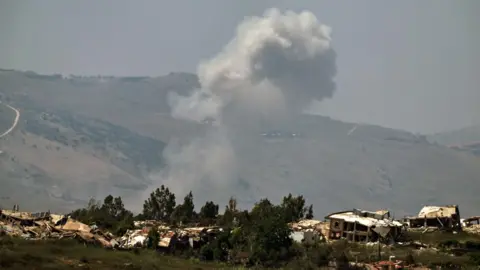
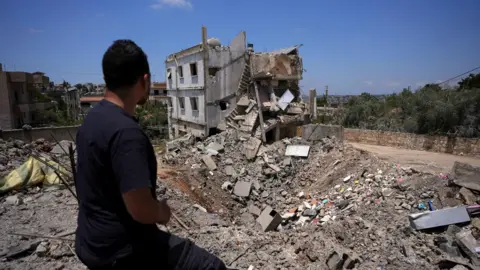
RTÉ, Ireland's national broadcaster, voiced that its participation is no longer tenable, given the continuing humanitarian crisis affecting civilians in Gaza. Echoing this sentiment, RTVE indicated a prior commitment to withdraw should Israel’s entry remain.
The controversy reflects wider disputes within the Eurovision community about the balance between entertainment and political implications, with calls from several broadcasters for reforms designed to address voting irregularities, especially in light of allegations surrounding Israel’s voting support this year.
Despite this turmoil, the EBU has affirmed that the Eurovision competition will be open to all broadcasters that comply with new voting regulations aimed at mitigating external influence—the fallout from this decision continues to resonate among member countries, revealing increasing divisions between competing ideals of political neutrality and ethical accountability in international cultural events.