WASHINGTON (AP) — The National Park Service (NPS) has unveiled a new list of free admission days, highlighting President Donald Trump's birthday on June 14 while controversially removing Martin Luther King Jr. Day and Juneteenth from the schedule. The policy change has ignited a wave of criticism from civil rights advocates and political leaders alike.
The shift comes amidst accusations that the Trump administration is downplaying significant moments in America's civil rights history, opting instead to emphasize the president’s legacy. Critics are particularly alarmed by the removal of days dedicated to honoring civil rights milestones.
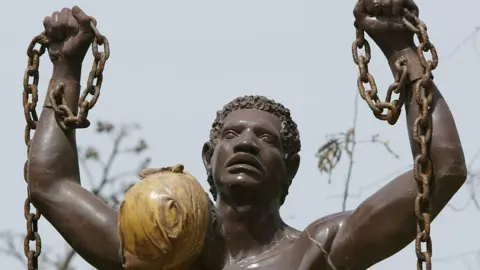
Previously, the list had included Martin Luther King Jr. Day, a day of service for many Americans, alongside Juneteenth, which commemorates the emancipation of the last enslaved people in the United States. The adjustments will take effect on January 1, leading to increased admission fees for international visitors while reserving certain dates for Donald Trump.
Several civil rights leaders, including Harvard Kennedy School's Cornell William Brooks, have spoken out against this policy change, describing it as a harsh reflection of systemic racism. Brooks noted the removal of these important holidays, which recognize significant struggles in the pursuit of civil rights, as particularly concerning.
Kristen Brengel, a spokesperson for the National Parks Conservation Association, highlighted that Martin Luther King Jr. Day serves as a vital opportunity for many to volunteer in national parks, further emphasizing the undesirability of its discontinuation. She pointed out that the recognition of a day devoted to appreciating King and his contributions is crucial and denounced efforts that erase Black history.
Democratic lawmakers have also voiced their discontent, arguing that these changes undermine the collective memory of America's civil rights struggles. Nevada Senator Catherine Cortez Masto remarked that the president's actions diminish the significance of holidays that are foundational to understanding the history of racial equality in the U.S.
The backlash underlines a growing concern among various communities regarding the erasure of historical narratives related to civil rights and the emphasis on commemorating the current administration’s image.
The NPS has yet to provide a detailed explanation for these changes, which have garnered attention not only for their content but also for their timing, revealing a pattern of overshadowing civil rights initiatives within government operations.