In brief
The situation places ASML in the center of geopolitical disputes, affecting the global semiconductor supply chain.
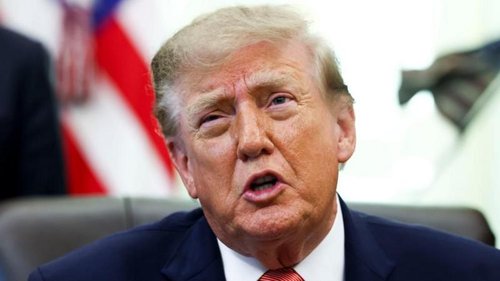
ASML, renowned for its production of sophisticated lithography machines vital for advanced microchip manufacturing, is navigating a complex web of geopolitical tensions fueled by recent trade policies. With escalating tariffs and regulatory uncertainties, ASML's leadership, under CEO Christophe Fouquet, is confronted with challenges that could redefine the company's operational landscape.The Dutch-based firm, valued at $300 billion, has found itself entangled in the ongoing tech trade war, particularly highlighted by the recent announcement of a proposed 50 percent tariff on European goods sold to the U.S. by President Trump, which has raised concerns about the cost of ASML's intricate lithography machines essential for fabricating cutting-edge microchips. Shortly thereafter, the proposed tariffs were paused, but the volatility in trade discussions persists.Further complicating ASML's business dealings, the Netherlands' foreign minister's visit to Beijing aimed to reconsider the restrictions that prevent Chinese firms from acquiring ASML technologies. However, the sudden collapse of the Dutch government has left these trade negotiations in limbo, adding to the uncertainty.These complexities are particularly daunting for CEO Christophe Fouquet, who took the helm of the company last year. In a recent conversation from ASML’s facility in Veldhoven, he expressed the frustrations of leading a company that has become a strategic asset in global political maneuvers, noting, "A large part of it is still out of our hands."As ASML continues to navigate these turbulent waters, the implications of trade squabbles on its operations could resonate throughout the semiconductor supply chain, highlighting the delicate balance of technology and geopolitics in the modern era.