In brief
The humanitarian tragedy in Gaza continues to unfold, with thousands of children either separated from their families or orphaned due to ongoing violence. Efforts by organizations like UNICEF to reunify these vulnerable children struggle against logistical difficulties and the overwhelming scale of the crisis. The heartbreaking experiences of the Masri family illustrate the emotional toll and urgent need for safe spaces and continuous support for reunited families.
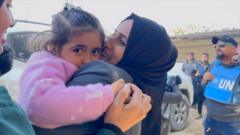
The Masri family stands testament to enduring resilience in the face of harrowing loss. After enduring unimaginable trauma, including the killings of their parents in an Israeli airstrike earlier this year, the cousins—Jamal, Maria, Jana, and Zeina—find solace in each other as they adapt to life in a tent camp in southern Gaza. Their grandmother, Kawther al-Masri, recalls the horror of losing her family while striving to reunite with her surviving grandchildren, who were initially declared lost amidst the chaos. With more than 14,500 children reportedly killed since the outbreak of the war and thousands more injured or unaccounted for, UNICEF’s efforts to reconnect separated children with their guardians result in frustratingly slow progress. Kawther's story highlights both the hope and despair in this situation, especially as she navigates the bureaucratic maze required to bring her grandchildren to her after a year of separation. The journey to reunification is fraught with danger, from navigating hazardous military zones to the psychological trauma that lingers even after physical reunification. The emotional turmoil is compounded by constant fears of further attacks and the sense of instability that blankets their lives. Children like Kawther's grandchildren often replay traumas in their minds, revealing the deep impacts of war on young minds. UNICEF asserts the critical importance of reuniting children with their families, stating that such reconnections are vital to their mental health and recovery. However, over 17,000 children are still facing the uncertainty of separation, living without parental care in a dangerously chaotic environment. Each familial reunion, as heartwarming as it may be, is shadowed by ongoing worries about safety, nutrition, and psychological support, underscoring the plight of many families in Gaza. With their basic needs unmet and fragments of their lives shattered, individuals and organizations are working tirelessly to bridge the gaps of separation and survival in a landscape now defined by loss and yearning for peace. As families like the Masris continue to navigate this dire landscape, their needs grow more pressing, calling for immediate international attention and humanitarian aid. The hope remains that unyielding love can help heal wounds and that, one day, a lasting peace can be restored for a generation yearning for normalcy amid chaos.