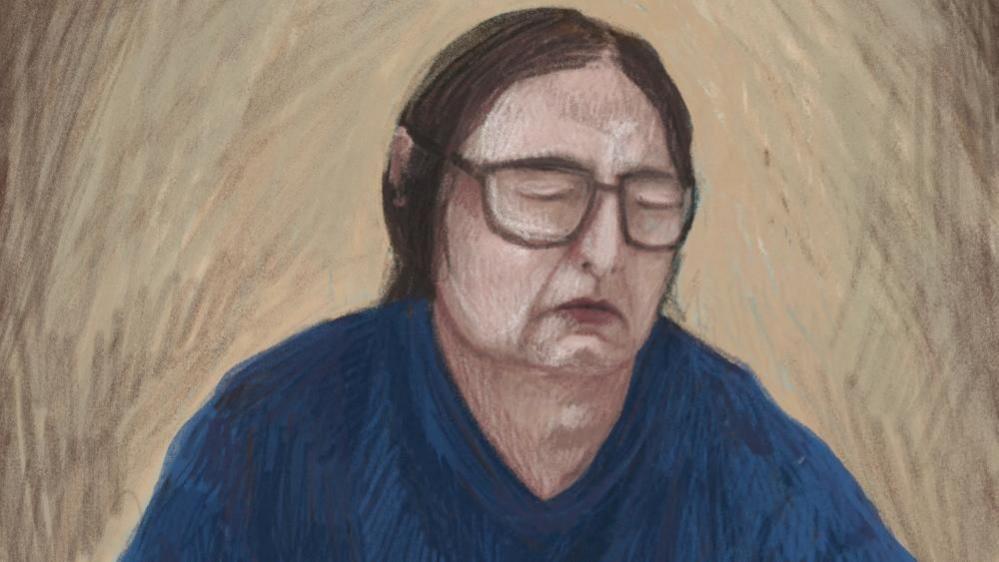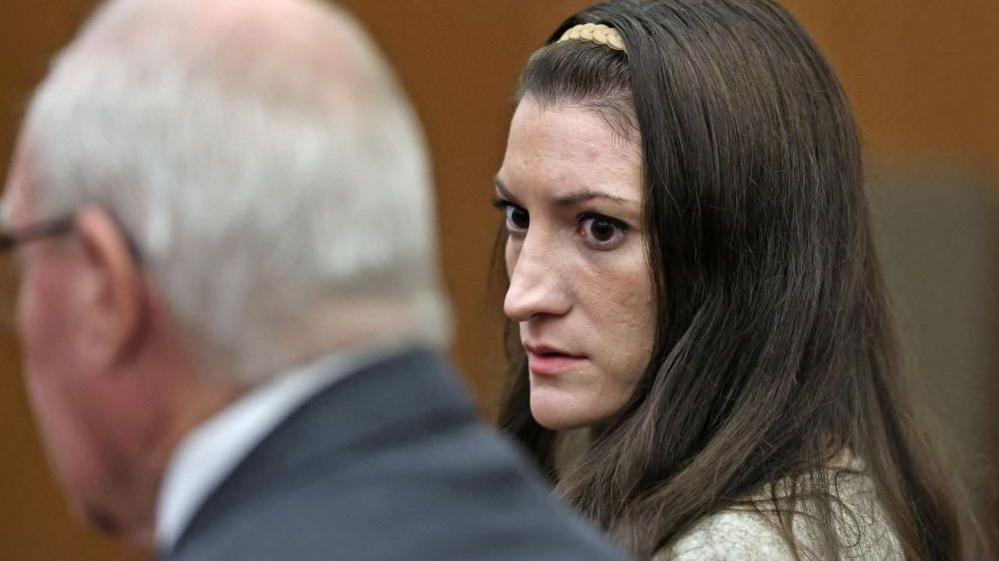
Murderer Serving Death‑Cap Mushrooms Seeks Release; Court Demands Permanent Imprisonment
Melbourne’s Court of Appeal hears a plea from the Crown that the murder of three relatives by Erin Patterson, who lured them to a dinner of beef Wellington tainted with death‑cap mushrooms, should not allow her any chance of release.
Prosecutors call Patterson’s crime a “truly dreadful” betrayal of trust, arguing that such calculated poisonings represent a level of moral depravity that demands the highest penal response.
Patterson, 51, was sentenced to life in prison in September 2023 with a minimum term of 33 years. The Crown insists that even the statutory minimum is “manifestly inadequate” and urges the court to deny any parole or reduction.
She served the mushy meal to her in‑laws Don and Gail Patterson, both 70, and to Gail’s sister Heather Wilkinson, 66. All four died after experiencing “shocking illnesses” linked to the poisoning; only Heather’s husband Ian Wilkinson survived but remains severely affected.
Patterson’s lawyers counter that a procedural mishap during the trial, including an overlap between witnesses and prosecutors, undermined the fairness of the conviction and should lead to a retrial.
The Court of Appeal will reserve its decision, implying the outcome of both appeals could take several weeks or months to reach the public.
In a detailed laydown, Crown lawyers described the month‑long preparation that saw Patterson sourcing and preparing enough death caps to kill her guests, and subsequently fabricating a tale of cancer to mask her intentions.
Justice Christopher Beale, who presided over the September sentencing, noted that Patterson’s “harsh” prison conditions—solitary confinement in particular—argued that she would remain in isolation for years.
Prosecutors challenged this assessment, pointing out that the prison environment would eventually improve and that her notoriety would fade over time, making continued isolation unjustified.
If the appeal court refrains from extending the minimum term beyond 33 years, prosecutors request it to raise the minimum to at least 30 years to adequately reflect the gravity of the offence.
The appellate hearing concludes with a call for the court to acknowledge the depth of the betrayal in Patterson’s crimes and to act decisively to prevent any early release.