Miraculous Everest Guide Survival Sparks Scrutiny of High‑Altitude Tourism
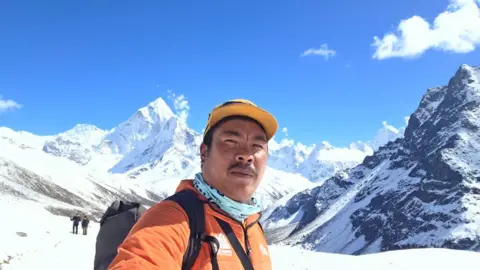
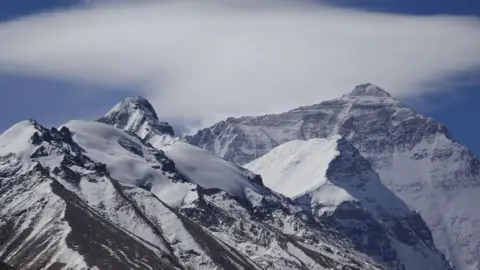
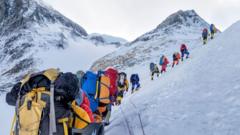
In a harrowing episode on the world’s tallest mountain, a 57‑year‑old Sherpa named Hillary Dawa Sherpa was found alive after a six‑day ordeal at an altitude of roughly 7,500 metres, only weeks after he had been separated from his clients during a descent from Camp 4 on the southern route to Mount Everest.
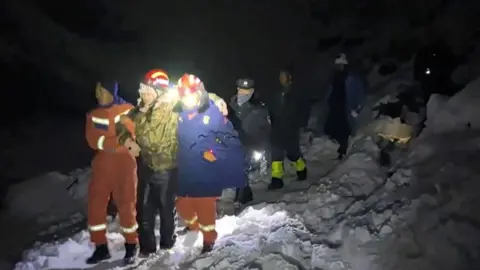
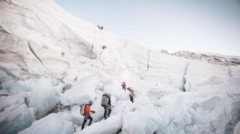
The incident came to light when a cleanup crew combing the Khumbu Icefall spotted Dawa crawling in a bright blue summit suit. He had been presumed dead, as he had been uncontactable for days and his family had already begun funeral rites.
Dawa, who had joined Himalayan Traverse Adventure (HTA) as a camp cook and later volunteered to guide two clients, British climber Chris Thrall and Polish climber Mariusz Chmielewski, struggled to move at Camp 3 (about 7,200 m) due to oxygen depletion. He survived only by chewing frozen ice and later discovered chocolate in his pocket, which helped rehydrate him. After falling into a crevasse, an avalanche loosened his path, allowing him to walk down to the icefall where he was finally found.
Medical teams air‑lifted the shock‑surviving Sherpa to a Kathmandu hospital where he was first treated in the ICU and later transferred to a general ward with a responsive recovery outlook.
The rescue has sparked debate about the safety standards of high‑altitude tour operators. Critics question why a search was delayed by three days after Dawa’s disappearance, why the client‑guide role was reassigned from a trained climber to a cook, and whether the company maintained adequate communication with his family. Dawa’s relatives have filed a police report asserting negligence, and Nepal’s tourism department has begun an investigation.
HTA counters that the search was delayed solely by severe weather— a complete whiteout with deep snow that precluded helicopter access. The company claims official rescue protocols were followed and states it had notified its partner, 8K Expeditions, on 30 May. However, the client expedition companies argue that the costs paid by Thrall and Chmielewski were comparatively low, and that they expected a “VIP” service including experienced guide‑only support, a claim denied by HTA.
Expert voices in mountaineering underline that camp cooks rarely possess the technical skills required for 8,000‑metre climbs. The incident underscores existing concerns about the “risk‑laden” combination of demanding clients and insufficiently trained local guides.
As Dawa’s condition improves, the community is demanding clearer policies for guiding appointments, faster rescue response, and stricter regulation of expedition companies. The episode serves as a stark reminder that the unforgiving heights of the Himalayas do not discriminate for even the most seasoned Sherpas.