In brief
A police raid in Ogun state transformed a courtroom into a makeshift lab, where a federal judge and anti‑drug officers screened evidence of a sophisticated methamphetamine production facility. The operation seized more than two tonnes of the drug, valued at around $360 million, and exposed a partnership between Mexican cartels and local operatives. Intelligence from US African Command linked the sites to the Sinaloa and Jalisco New Generation cartels, underscoring a shift in global synthetic drug manufacturing toward West Africa. The raids highlight the continent’s growing role as not only a transit route but a growing production base, raising concerns over public health and security.
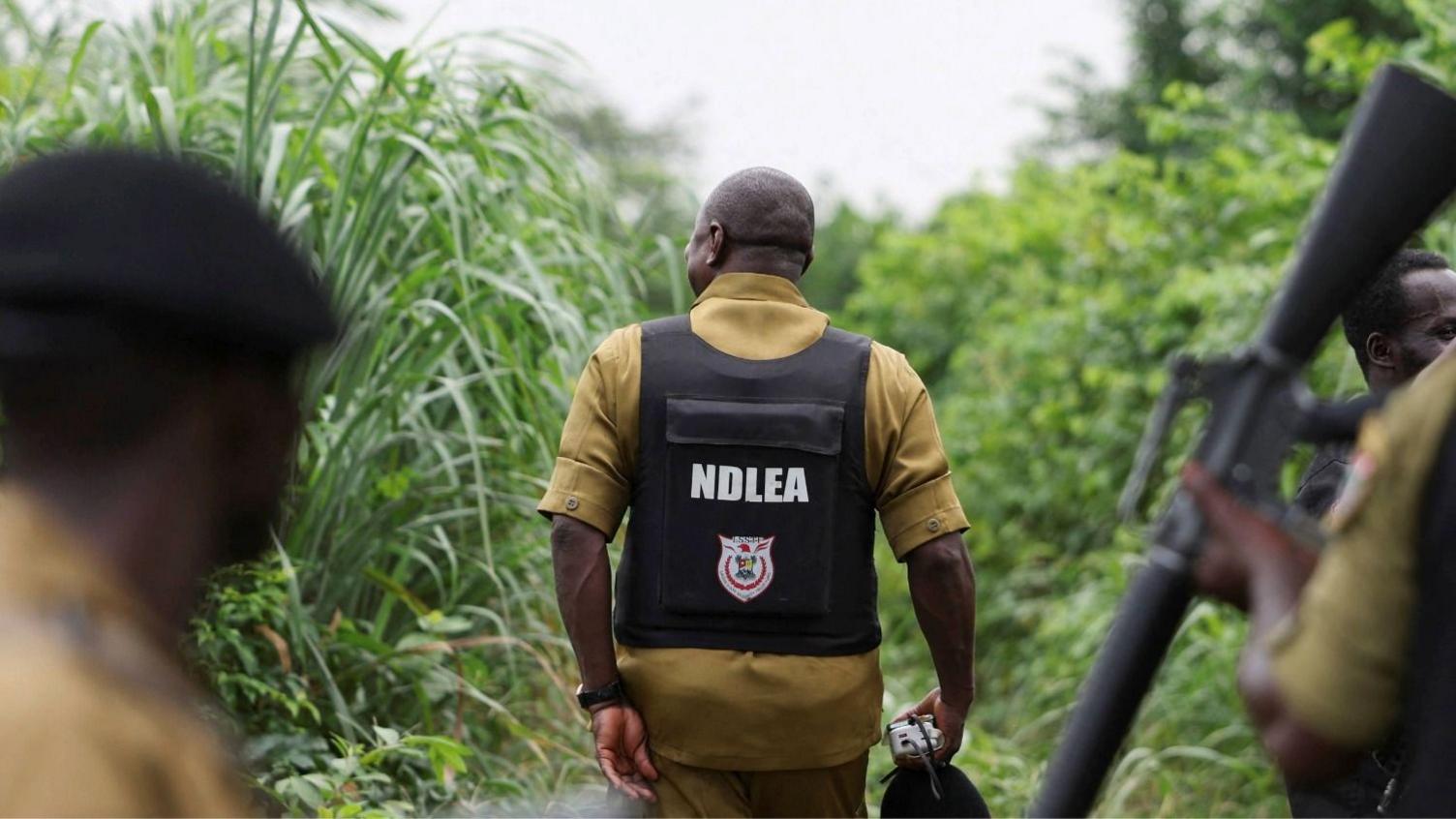
In a dramatic operation that took a courtroom to the heart of a dense Nigerian forest, a federal judge and anti‑drug officers examined chemicals and equipment inside an alleged clandestine methamphetamine laboratory. The sight of bands of suspects in handcuffs, surrounded by propane cylinders and bags of caustic soda, turned the forested compound into an unlikely venue for justice.
The raid delivered the country’s largest ever meth bust, uncovering over two tonnes of the drug and a multi‑million‑dollar production network that spanned Nigeria and Mexico. NDLEA officials described the operation as a crippling blow to a sophisticated syndicate linking local Nigerian operators with Mexican special forces known as "cooks".
Follow‑up investigations revealed additional labs in neighbouring Oyo State and other parts of West Africa, with intelligence agencies linking sites to the Sinaloa and Jalisco New Generation cartels. The cartels have been established in Africa since the 1990s, using the region’s dense forests for secrecy and cheap labour to fuel a local and international drug market.
The production of synthetic drugs such as methamphetamine imposes less geographical constraint than coca or poppy cultivation, allowing cartels to expand operations to new continents. The ability to manufacture high‑purity meth locally provides traffickers with lower transport costs, better supply chain control, and quicker access to European and Asian markets.
Nigeria’s remote provinces, porous borders and weak regulation of chemical imports have made the region an attractive manufacturing hub. Reports indicate that more than 14% of adult Nigerians have used illicit drugs, a figure double the global average, amplifying worries over increasing domestic consumption.
Despite the country’s strong anti‑drug stance, the surge in raids signals that cartels are becoming deeply entrenched on the continent. Intelligence sharing between US African Command and local agencies has empowered Nigerian authorities to preempt operations before the drugs can reach wider communities or international markets.
The court hearing held inside the laboratory showcases Nigeria’s readiness to confront the challenge head‑on, deterring the cartels’ objective of establishing a permanent production base in Africa. NDLEA spokesperson Femi Babafemi emphasized that Nigeria will not be a safe haven for such criminal activity.