In brief
Mauritius experienced its most intense civil unrest in decades after a woman was shot by police at a roadblock amid protests over water shortages and the high cost of living. The government imposed an overnight curfew, closed schools, and shut public transport, while a police officer was arrested and remanded in custody. Prime Minister Navin Ramgoolam warned that anyone acting against the nation's interests would face severe consequences. Analysts say the unrest could recur as shortages linger until the rainy season.
On Friday, a woman was shot by police at a roadblock during protests over water shortages and a soaring cost of living, sparking the worst civil unrest the island has seen in decades.
Police responded with an overnight curfew, and the prime minister warned that anyone “acting against the interests of the country” would face “heavy consequences.”
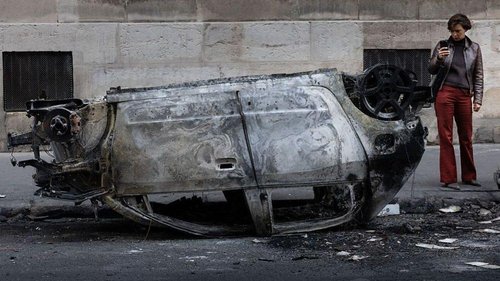
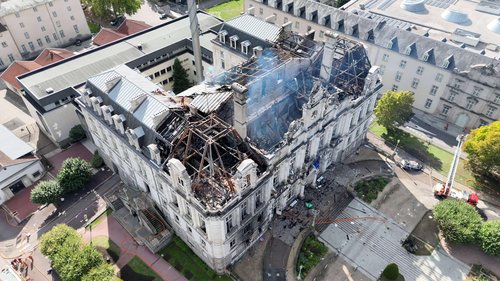
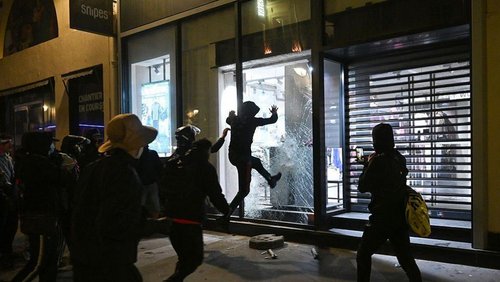
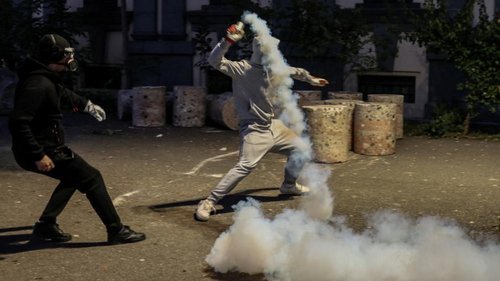
Despite the curfew, clashes continued through the night and led to damage to public infrastructure, the closure of schools and public transport, and travel warnings issued by foreign embassies.
The incident has drawn comparisons to unrest in 1999, with experts noting that the government’s swift lock‑down was necessary to prevent further escalation, though the underlying shortages may persist until the rainy season.
A cabinet meeting will assess the situation and define the next steps in the coming days as the nation struggles to maintain order while addressing vital resource gaps.