In brief
In a stark reminder that social tensions can flare at any time, Mauritius saw its worst unrest in decades unfold over a week after civilians protested water scarcity and soaring living costs. A woman was shot and wounded by police at a roadblock, leading to the arrest of the officer involved and prompting Prime Minister Navin Ramgoolam to enforce an overnight curfew. While the curfew eased tensions by Wednesday, the government warned of potential flare‑ups if the underlying grievances—particularly the continued water shortage—remain unaddressed. Analysts noted that this level of unrest has not been witnessed since the late 1990s, underscoring the fragile social fabric of the island’s tourism‑based economy.
Police imposed an overnight curfew in the Indian Ocean island to quell the worst riots in decades, following protests that escalated into violence after a woman was shot by a police officer at a roadblock.
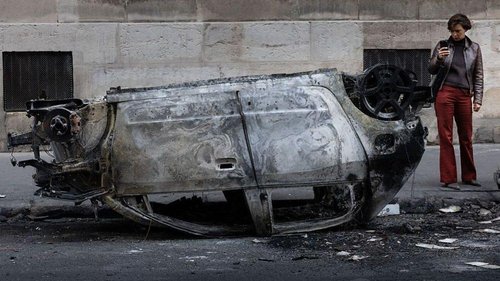
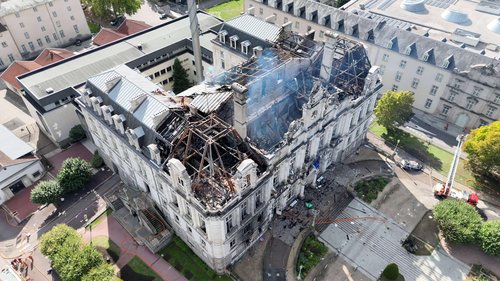
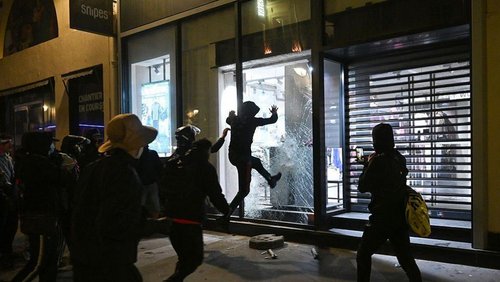
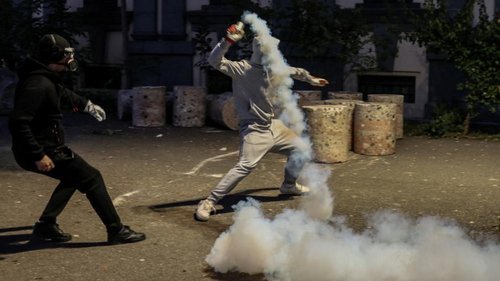
The unrest began a week earlier as citizens demonstrated over persistent water shortages and the high cost of living. Though authorities had previously answered by supplying extra water to homes, the situation deteriorated when demonstrators set tyres ablaze and blocked roads, sparking vandalism of police stations and other public properties.
Prime Minister Navin Ramgoolam, warning those who acted against the nation’s interests, ordered the curfew and declared that those responsible would face “very heavy consequences” for their anti‑patriotic acts. The officer who fired the shots was arrested and placed in custody.
Despite curfew restrictions and several overnight incidents, police reported that traffic resumed by Wednesday morning and urged residents to return to normal activities. Analysts caution that water shortages are expected to persist until the rainy season in December, leaving a window for further unrest.
The cabinet is set to meet that Wednesday to reassess the situation and determine subsequent steps. Meanwhile, foreign embassies have issued travel warnings, and the island’s tourism and finance sectors are closely watching the developments.