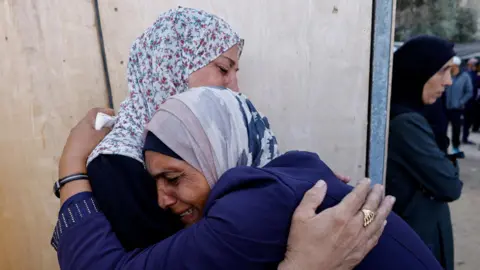
Demolitions in East Jerusalem spark anger
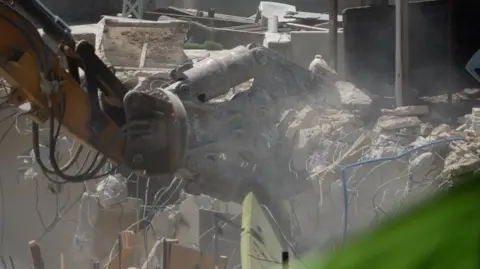
Near the ancient walls of Jerusalem’s Old City, an Israeli excavator has been tearing into a Palestinian house, turning the sound of breaking concrete into a daily reality for residents of the al‑Bustan area of the Silwan neighbourhood.
Since October 2023, 59 buildings have been demolished. The spike comes while global attention is focused on the Gaza war, Iran’s nuclear talks, and conflicts in Lebanon. The demolitions, driven by plans to create a "biblically‑themed" park, now affect roughly half of the neighbourhood’s homes.
"There is no future. They destroyed the future and everything else," says 58‑year‑old Fayez Awad, who has spent his life building the house that now lies in rubble. His story is echoed by activists, many of whom have taken up tools to dismantle their own property before municipal courts can impose costly fines.
The image below shows the excavator in action.
The Israeli government has built some 160 settlements in the West Bank and East Jerusalem, housing 700,000 Jews. Palestinians, who constitute about 40% of the eastern city’s population, have a 7% share of newly approved housing, according to the human‑rights group Bimkom.
Legal experts argue that Israeli laws allowing the takeover of land owned by Jews before 1948 enable settlers to move into Palestinian neighbourhoods, especially in Silwan close to the al‑Aqsa Mosque compound.
Local activist Fakhri Abu Diab, whose home was already demolished and now faces eviction from a makeshift caravan, says: "Israel is using the geopolitical situation to finish their plans… the municipality is waging a war of bulldozers against us."
The European Union recently called the situation in East Jerusalem "dire" and reiterated its opposition to Israeli settlement policy. The United Nations identified 200 Palestinian households facing eviction decisions from Israeli courts, mostly driven by settler interests.
In the Christian and Muslim quarters of the Old City, Israeli flags appear on buildings now housing settlers, while a historic yeshiva—once protected by a Palestinian guard—faces eviction from its original location for the sake of a larger institution.
"They want to kick us out of here," Yusra Qweider, 97‑year‑old and disabled, says. "I am sick and I can’t walk. We are counting on God."
Justice has partially protected families; for instance, a Jerusalem District Court recently granted a temporary injunction against the evictees of the Basha family, though their appeal remains pending.
The core of the conflict, whether Jerusalem remains a shared city or a fortified Israeli capital, hinges on these demolitions and the international community’s willingness to enforce international law and uphold human rights.