In brief
In Debert, Nova Scotia, the solitary Diefenbunker – a 64,000‑square‑foot Cold War‑era shelter – is being turned into a fleet of 50 opulent condos by crypto magnate Jonathan Baha’i. The complex will boast gourmet dining, biometric access, surveillance, a spa, a cigar lounge, and a self‑sustaining food system, while also accommodating private planes via the nearby Debert Airport. Baha’i and co‑owner Paul Mansfield argue the project protects its residents from any catastrophe, and even offers rental returns when the units are not occupied. Critics, including local museum officials, contend the change erases a piece of history, while city officials point to economic benefits and rising tourism. The condos illustrate a growing trend of converting military infrastructure into high‑end disaster shelters.
A Cold War bunker gets a luxury makeover as ‘doomsday’ condos
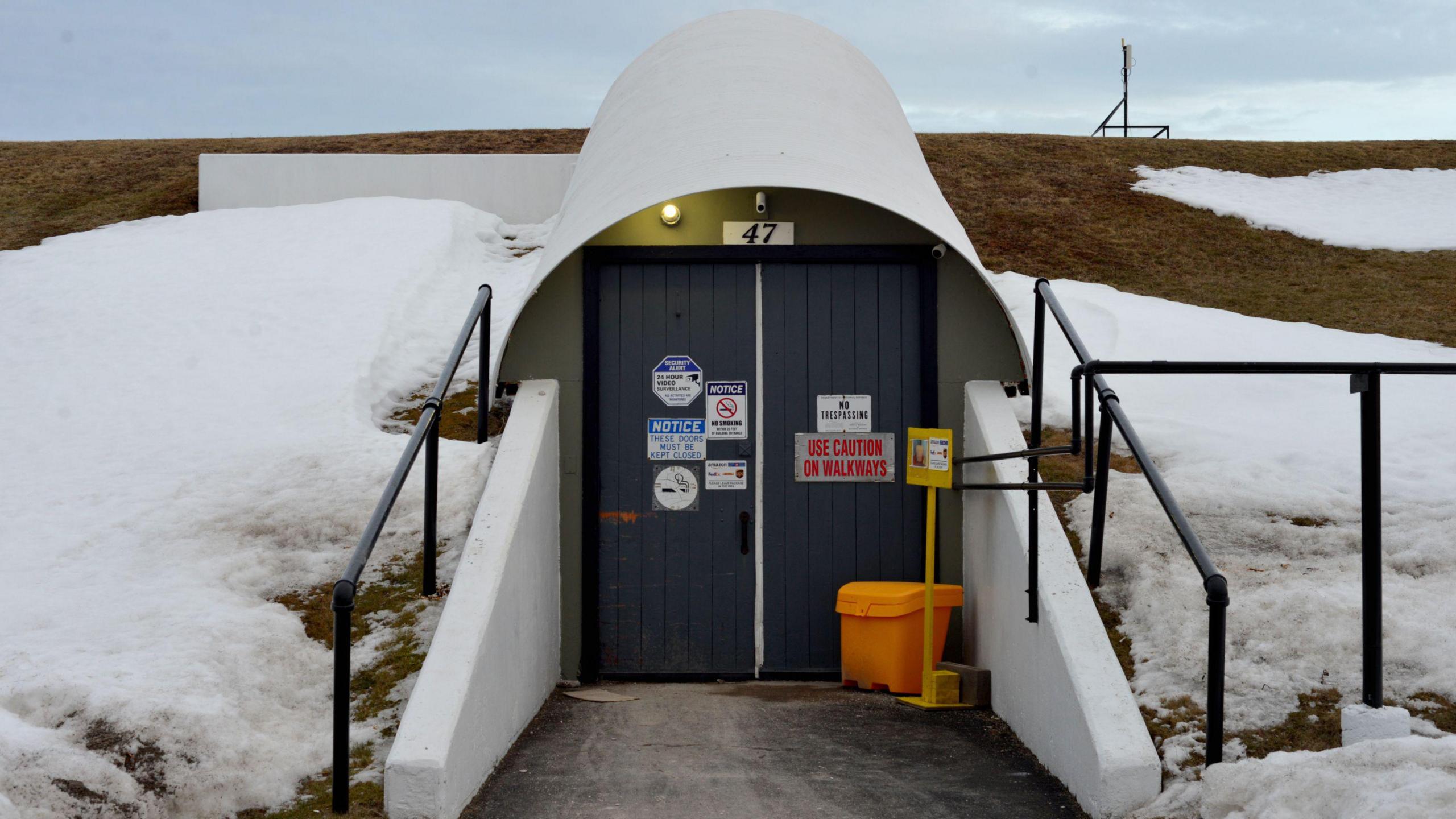
Debert, a small town north of Halifax, is home to the “Diefenbunker” – the world’s few remaining Cold War‑era nuclear shelters built by former Prime Minister John Diefenbaker to protect government officials. The 64,000‑square‑foot structure now sits vacant, its concrete walls bisected by a painted warning code against war.
Crypto entrepreneur Jonathan Baha’i purchased the site in 2013 for just C$31,300, and has since partnered with Paul Mansfield to turn it into 50 ultra‑luxury condominiums. Baha’i describes the project as a “smart, practical storm preparedness” facility rather than a doomsday shelter.
The interior will feature gourmet dining sourced from a “self‑sustaining” farm, biometric access, 24‑hour surveillance, an onsite medical suite, a spa, a yoga room, a cigar lounge, and a lightweight OLED lighting system designed to mimic natural daylight. A separate, over‑ground bunker will grow food.
Baha’i explains that the condo owners will have guaranteed power, food, and safety if any “major storm” hits the area, citing the 2022 Hurricane Fiona when he opened the bunker to workers and families for shelter. The project is expected to be finished early next year, after selling 11 of the 50 units already.

The complex will also attract retreats for high‑profile residents: on‑site private planes can land at the nearby Debert Airport, and the condos can be rented as high‑end hotel suites when the owners are absent, with profits shared among owners. The developers are partnering with German firm Bespoke Home and Yacht Security, whose clientele has included U.S. Vice‑President JD Vance and reality star Kim Kardashian.
When the bunker was originally built in the late 1950s, it could have shielded 329 people for 30 days after a nuclear blast. By 1966, however, advancements in missile targeting and bomb yield rendered such structures obsolete for government use. The Debert bunker later served as a provincial emergency warning centre until it was shut down in 1996.
The conversion raises questions about preserving historical sites. Annette Sharpe, secretary of the Debert Military Museum, worries that a piece of history has been lost, noting the bunker was once a critical Cold War asset. She says it breaks her heart that the museum can no longer showcase it.
Municipal officials argue the project brings economic benefits to a town whose population fell from 60,000 to roughly 1,400 after the base closed. Mayor Blair highlights that residents are unprepared for high-end rates, and local businesses hope the influx will stimulate nearby restaurants and services.

Outside the bunker is a data centre slated to occupy 15,000 square feet, offering high‑security, low‑power computing solutions. The facility aims to attract tech firms and provide local jobs, showing that former military infrastructure can be repurposed for new economies.
The Diefenbunker complex provides an example of how bunkers are evolving from symbols of paranoia into luxury shelters in an age of climate crises. If the trend continues, Canada may become a pioneer in combining heritage preservation, disaster resilience, and high‑end real estate. Yet the debate surrounding the project underscores the tension between private profit and public heritage in Canada’s Cold War legacy.