Luigi Mangione Back in Court: Evidence, Defense, and the Eye on Media
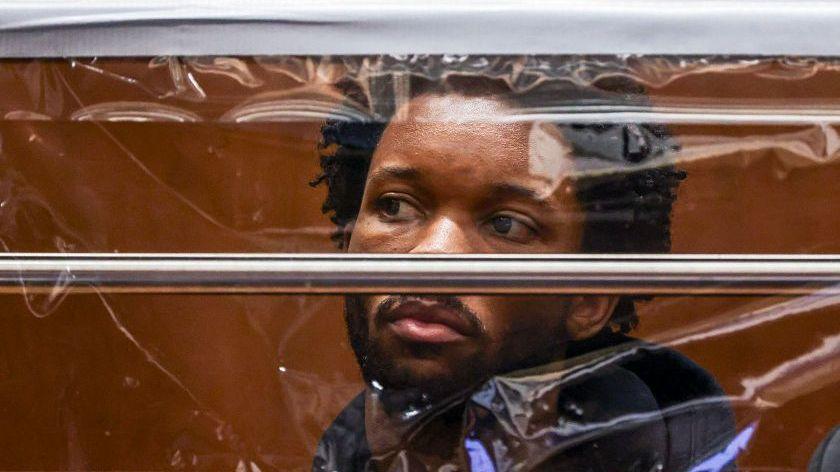
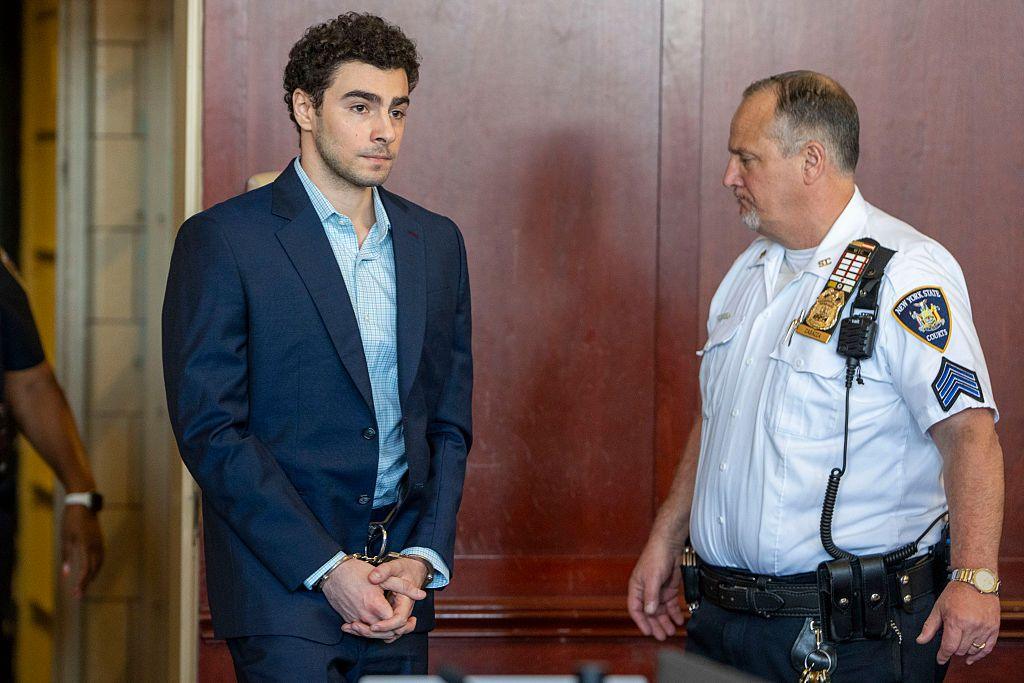
On Tuesday, Judge Gregory Carro heard arguments that will shape the coming murder trial of Luigi Mangione, the man accused of shooting UnitedHealthcare chief Brian Thompson. The court session focused not only on the previous December hearing over admissible evidence, but also on procedural matters that could turn the case into a national spectacle.
Mangled across the internet, the case has turned into a battle over data. Social media communities have divided into supporters, who see Mangione as a symbol of the backlash against high US healthcare costs, and opponents who scrutinise his motives and actions. The trial’s interest is set to rise further when jury selection begins on 8 September.
The Evidence Clash
In December, Mangione’s attorneys challenged the admissibility of evidence seized during his Pennsylvania arrest, citing possible improper search and a failure to inform him of his constitutional rights. While the court allowed a gun and a notebook containing Mangione’s writings to enter the trial, it excluded other items such as a magazine, cellphone, passport and wallet.
Prosecutors will present surveillance footage of the shooting and use ballistics and fingerprint evidence to trace Mangione’s movements. These materials form the backbone of the prosecution’s narrative that the suspect shot Thompson from behind in a hooded disguise.
Defence Strategy Still Unveiled
Mangione’s legal team has not yet revealed a full alternative theory. A brief “extreme emotional disturbance” argument was proposed then withdrawn, a tactic that could potentially reduce the charge from second‑degree murder to manslaughter if jurors are convinced of Mangione’s mental state at the time of the act.
Experts note that an insanity plea, distinct from emotional disturbance, has historically been difficult to prove. The defence may also lean on broader themes such as healthcare policy to sway jurors, but such arguments could distract from the core issue of who killed Thompson.
Who Gets to Watch?
The question of courtroom access remains unresolved. Mangione’s lawyers questioned court procedures for admitting journalists and the possibility of an overflow room that could accommodate a larger audience. The trial’s live broadcast is barred by New York state law, and prosecutors insist they will not influence media coverage.
The Manhattan District Attorney’s office stated it would defer to court judgment while ensuring security to prevent covert recordings. A court spokesperson emphasized a commitment to public and media access while explaining the logistical challenges of high‑profile trials.
As jurors prepare to be selected, the case’s surrounding controversies – from evidence admissibility to media exposure – may shape the public’s perception of justice in a high‑stakes trial.