In brief
The bodies of two Belgian men missing in the Swiss Alps since 1992 have been found after the Trift Glacier melted, in a discovery that underscores the rapid loss of ice in the Alps. DNA analysis confirmed that the remains belong to the missing mountaineers, who disappeared near the Weissmies mountain. This event is the latest in a series of cold‑case resurrections triggered by glacier retreat, with the Swiss losing a quarter of its glacier area in the decade to 2025. The find highlights the impact of climate change on alpine landscapes and the ongoing search for missing persons.
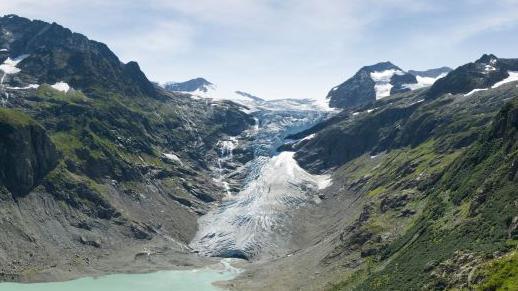
The bodies of two Belgian men who vanished in the Swiss Alps 34 years ago were uncovered when the Trift Glacier melted away the ice that had hidden them, police announced today.
A keen‑eye hiker spotted the remains on 26 July on the south side of Lucerne, and rescue teams swiftly recovered the bodies. DNA tests later matched them to 39‑ and 41‑year‑old mountaineers who disappeared near the peak of the Weissmies in 1992.
Glaciers across Switzerland have been retreating faster than the global average, shrinking by about a quarter in the decade up to 2025, according to the national monitoring agency Glamos. The trend continues on a global scale, with the European Commission’s Copernicus system recording a 3 % loss across Swiss icefields in 2025 alone.
Last year the melting of a glacier near the Matterhorn revealed the body of a German climber who had been missing since 1986, showing that this phenomenon is not rare. Swiss authorities maintain a missing‑persons database that dates back to 1925, most entries involving disappearances in mountains, rivers and lakes.
The rapid retreat of alpine glaciers is linked to rising temperatures, which have left Swiss ski resorts at risk and altered traditional winter tourism patterns. Chaired by climate scientists, the Swiss Alpine Club believes that these changes will continue to reshape the region’s economic and cultural landscapes.
This latest discovery highlights not only the power of modern forensic science but also the urgent need to monitor and mitigate the effects of climate change on our planet’s fragile ecosystems.