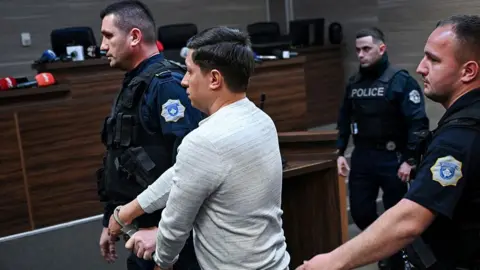
On April 24, 2026, a court in Pristina sentenced two Kosovo Serbs, Vladimir Tolić and Blagoj Spasojević, to life imprisonment and sentenced another, Dušan Maksimović, to 30 years in prison for their involvement in what has been characterized as a 'terrorist' attack. The incident, dubbed the 'Banjska incident,' occurred in September 2023 and resulted in the deaths of a police officer and three members of an armed group consisting of Kosovo Serbs.
The court found the men guilty of violating Kosovo's constitutional order and inciting terrorism, alongside 45 others charged, although many remain in Serbia and face unlikely extradition.
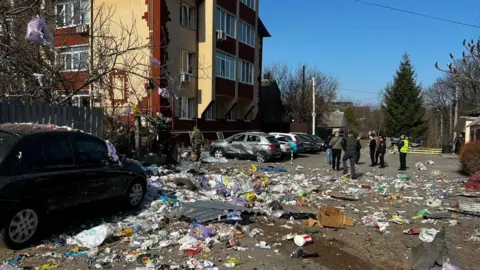
The day of the shooting saw police confronted by about 30 armed individuals after responding to a blockade. The violence led to a prolonged standoff at a Serbian Orthodox monastery where armed men barricaded themselves inside, ultimately resulting in fatalities among both police and attackers.
Authorities in Kosovo suggest that the attacking group had ties to Serbia's government, raising questions about political complicity. Kosovo's officials have launched demands for accountability regarding Serbia’s alleged political, financial, and logistical support for the assault, while Serbian officials deny any state involvement.
The case has strained already tense relations between Pristina and Belgrade, stalling multiple attempts at diplomatic normalization. Kosovo's leadership views the verdict as a step towards ensuring such acts will not go unpunished, but lingering questions about broader implications from the incident continue to challenge regional stability.
The court found the men guilty of violating Kosovo's constitutional order and inciting terrorism, alongside 45 others charged, although many remain in Serbia and face unlikely extradition.
The day of the shooting saw police confronted by about 30 armed individuals after responding to a blockade. The violence led to a prolonged standoff at a Serbian Orthodox monastery where armed men barricaded themselves inside, ultimately resulting in fatalities among both police and attackers.
Authorities in Kosovo suggest that the attacking group had ties to Serbia's government, raising questions about political complicity. Kosovo's officials have launched demands for accountability regarding Serbia’s alleged political, financial, and logistical support for the assault, while Serbian officials deny any state involvement.
The case has strained already tense relations between Pristina and Belgrade, stalling multiple attempts at diplomatic normalization. Kosovo's leadership views the verdict as a step towards ensuring such acts will not go unpunished, but lingering questions about broader implications from the incident continue to challenge regional stability.