In brief
On March 7, 2025, a significant disruption occurred at Gare du Nord in Paris due to the discovery of an unexploded World War II bomb near the tracks, causing considerable delays for commuters and travelers alike.
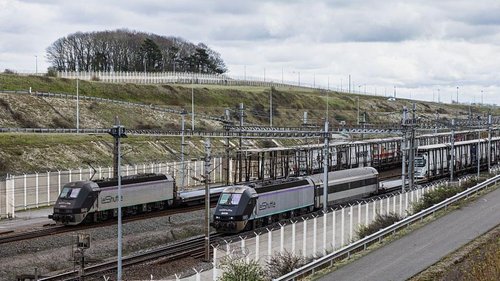
Authorities identified the bomb overnight in the Saint-Denis suburb, a critical area for train routes leading to the bustling station that serves millions each year. Following safety protocols, the Paris police immediately halted all train services, including high-speed Eurostar connections, while specialized mine-sweeping teams worked to secure the area and manage the bomb's removal. France’s national railway company confirmed that trains were grounded until at least midafternoon, highlighting the disruption’s potential to impact thousands of passengers.Transport Minister Philippe Tabarot tried to reassure the public, indicating that while such finds are infrequent, they require careful handling. He described the removal process as necessary, noting that safety remained the top priority, despite the delays. This incident is part of a broader trend across Europe, where unexploded ordnance from World War II occasionally surfaces—often in urban settings—leading to significant evacuations and interruptions.This incident exemplifies the continued challenges posed by wartime relics in modern-day Europe, emphasizing the need for vigilance in urban planning and construction. Aurelien Breeden is a reporter for The Times in Paris, covering news from France.