In brief
A federal court hearing commenced today focused on the restrictive conditions faced by detainees at the Florida immigration detention center, informally dubbed ‘Alligator Alcatraz’. Lawyers representing detainees are pushing for measures that would guarantee equal access to legal representation, comparable to federally operated facilities. Detainees argue their First Amendment rights are being infringed upon, a claim that state officials deny. Testimonies will shed light on the significant barriers faced in accessing legal support amidst ongoing legal disputes surrounding the facility.
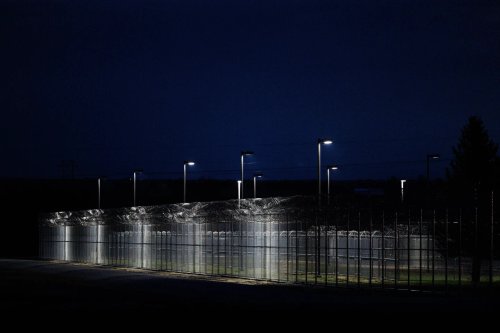
FORT MYERS, Fla. (AP) — Former detainees are set to testify about the restrictive legal conditions at 'Alligator Alcatraz', an immigration detention facility located in the Florida Everglades. This federal hearing intends to assess if detainees have adequate access to the legal system. Civil rights attorneys are pursuing a temporary injunction from U.S. District Judge Sheri Polster Chappell to ensure detainees can access their attorneys similarly to those in federally-run facilities. The detention center was established last summer by the administration of Governor Ron DeSantis at a secluded airstrip. Detainees contend that their First Amendment rights are being violated, citing that attorneys must schedule visits three days in advance, and face frequent transfers, obstructing their ability to meet crucial deadlines. Access to counsel at Alligator Alcatraz is dramatically more restrictive than at other immigration facilities and runs afoul of the requirements established by Immigration and Customs Enforcement, stated the attorneys in their injunction request. State officials cited security protocols as justification for the restrictive measures. Among witnesses expected to appear in court is Juan Lopez Vega, deputy field office director of ICE’s enforcement and removal operations in Miami, who has resisted a subpoena to attend. This case is one of three federal lawsuits challenging operational practices at the facility. Another lawsuit asserts that immigration enforcement is a federal responsibility, and state agencies lack jurisdiction over the facility. A third lawsuit, following an environmental review issue, led to a temporary suspension of operations that was later halted by an appellate court. Stay updated with the latest news developments by following this case closely.