Lakurawa: The Militant Group Causing Chaos in Northwestern Nigeria
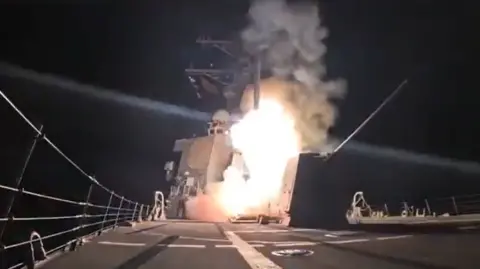
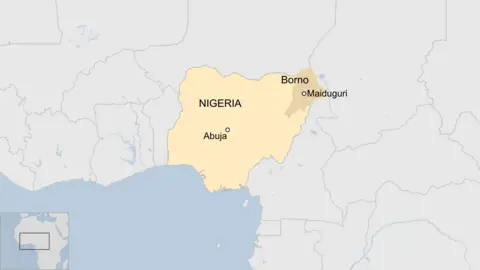
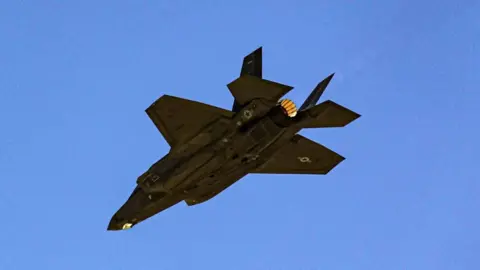
Deep fear has long pervaded the arid savannah plains and highlands of northwestern Nigeria - even before the US airstrikes on the Islamist militants who have made this area their base on Christmas night.
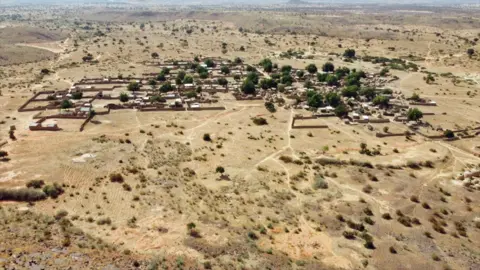
The heavily armed jihadists, who dress in camouflage and wear vibrant turbans, have lived in camps in Tangaza, a remote area of Sokoto state near the border with Niger, for several years.
They belong to a group called Lakurawa and hail from areas north of Nigeria in the Sahel. Locals in Tangaza, a community made up of mainly moderate Muslims, believe they come from Niger and Mali - and are terrified of them.
Recently, both US and Nigerian authorities have said the militants are affiliated with Islamic State (IS) groups in the Sahel - though IS has not linked itself to any of the group's activities or announced ties to Lakurawa as it has done with other groups in the region that it backs.
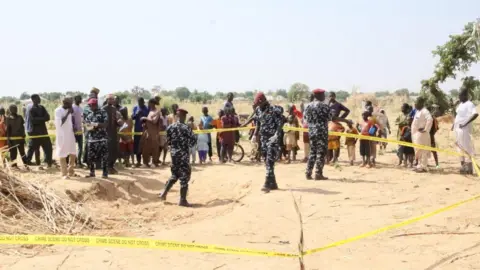
Many villagers remain deeply suspicious and reluctant to discuss Lakurawa due to fears of retribution. A recent visit to Nukuru, one of several remote villages in Tangaza around 10km from where the US missiles struck, highlighted the stark reality of living under the shadow of these militants.
The police do not venture into the region due to fears of insufficient firepower to confront the militants. A farmer near Nukuru described how militants on motorcycles fled after the strikes, demonstrating their agility as they regroup to maintain control over local territories.
The attacks on Christmas Day were not isolated incidents; prior strikes have also targeted the group, detailing their violent legacy and continuous threat to local populations. As communities grapple with this ongoing crisis, the hope for safety hangs in the balance.