In brief
McKinsey & Company has settled criminal charges for $650 million, admitting to conspiracy with Purdue Pharma in promoting OxyContin.
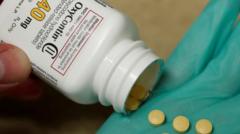
Consulting powerhouse McKinsey & Company has struck a deal to pay $650 million to settle criminal charges arising from its involvement in the United States opioid crisis. The U.S. Department of Justice (DOJ) stated that McKinsey "knowingly and intentionally" conspired with Purdue Pharma to assist in the "misbranding" of prescription drugs, notably the painkiller OxyContin, which contains oxycodone hydrochloride. This settlement follows serious allegations that McKinsey provided strategies to Purdue Pharma on amplifying the sales of OxyContin despite its known dangers. The DOJ claims that the consulting firm obstructed justice by advising the pharmaceutical giant on how to enhance its marketing while downplaying the painkiller's risks. In a publicly released statement, McKinsey expressed its regret, admitting, "we should have appreciated the harm opioids were causing in our society." Adding to the legal ramifications, former McKinsey senior partner Martin Elling is expected to plea guilty to charges of obstruction related to the destruction of records pertinent to the investigations.Per the terms of a deferred prosecution agreement, the prosecution will be temporarily shelved for five years, conditional on the company's compliance with certain reform measures. Should McKinsey adhere to these stipulations, the DOJ may subsequently dismiss the charges.This agreement is not McKinsey's first encounter with legal scrutiny over its ties to the pharmaceutical landscape; it had previously settled nearly $1 billion in lawsuits linked to its collaborations with Purdue and other drug manufacturers.Purdue Pharma itself confronted serious repercussions for its role in the opioid epidemic, pleading guilty in 2020 to criminal charges and agreeing to an $8.3 billion settlement, admitting to enabling distribution of opioids for "without legitimate medical purpose.”The introduction of OxyContin in the mid-1990s marked a critical moment in the opioid crisis. Research indicates that by early 2002, OxyContin represented 68% of oxycodone sales, leading to widespread addiction issues. Consequently, drug-related fatalities have surged in the United States over the last 30 years, partially fueled by these prescription opioids, which later morphed into rampant use of heroin and synthetic opioids, such as fentanyl. The impact of drug addiction is stark, with nearly 100,000 overdose deaths recorded annually in the U.S. However, there has recently been a slight reprieve, as a report indicated a 14% decrease in overdose deaths year-over-year, with 97,000 fatalities counted from June 2023 to June 2024.