In brief
With the expiration of health insurance tax credits drawing near, lawmakers are at odds over their extension amidst rising concerns of premium hikes for millions. Democrats assert that they will not agree to a budget deal without the continuation of subsidies established during the COVID-19 pandemic. While some Republicans show willingness to support the credits, divisions within the party complicate negotiations, leaving many Americans anxious about their impending insurance costs.
As expiration deadlines approach for health insurance tax credits, a bipartisan tug-of-war unfolds in Congress, stirring apprehension among millions of Americans regarding potential insurance premium spikes. These crucial subsidies were introduced amid the COVID-19 pandemic to ensure health coverage remained accessible for low- and middle-income individuals purchasing insurance through the Affordable Care Act (ACA).
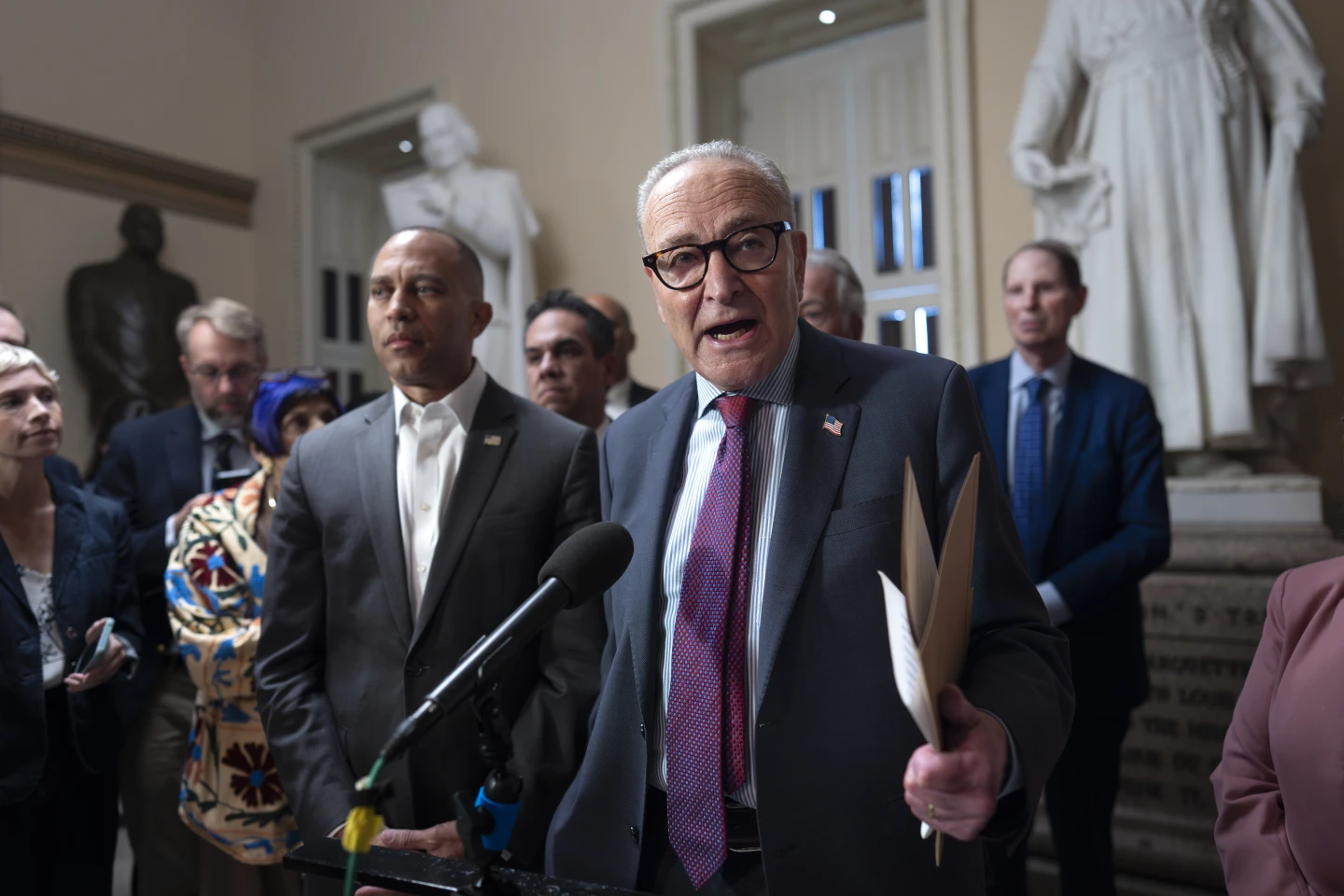
Democratic leaders, including Senate Majority Leader Chuck Schumer, have warned of sky-high premium increases unless action is taken to extend these tax credits. If Congress doesn’t act, millions of Americans will start receiving letters indicating an imminent rise in their health care costs—potentially by hundreds or even thousands of dollars, Schumer stated.
Despite a history of resistance to the ACA, some Republican lawmakers are now open to discussing the continuation of these subsidies, recognizing that many constituents could struggle with steep coverage costs if the credits lapse. However, a significant ideological rift persists within the party.
With only a few weeks remaining before the credits are set to expire, negotiations are complicated further. Democrats have threatened to withhold support for the upcoming budget unless an extension of the tax credits is included. In contrast, Republicans are looking to re-evaluate the subsidies, intensifying the stalemate.
Amid this political standoff, several health insurers have reported proposing premium increases of up to 50%. Such hikes would sway more individuals—especially younger and healthier—away from enrolling altogether, leaving insurers grappling with an aging, less healthy client base.
As the political landscape shifts, a solution may hinge on finding common ground that accommodates the varied interests of stakeholders, including hospitals, insurers, and the public. Legislative actions in the coming weeks will be critical as they directly impact health care affordability for millions.