In brief
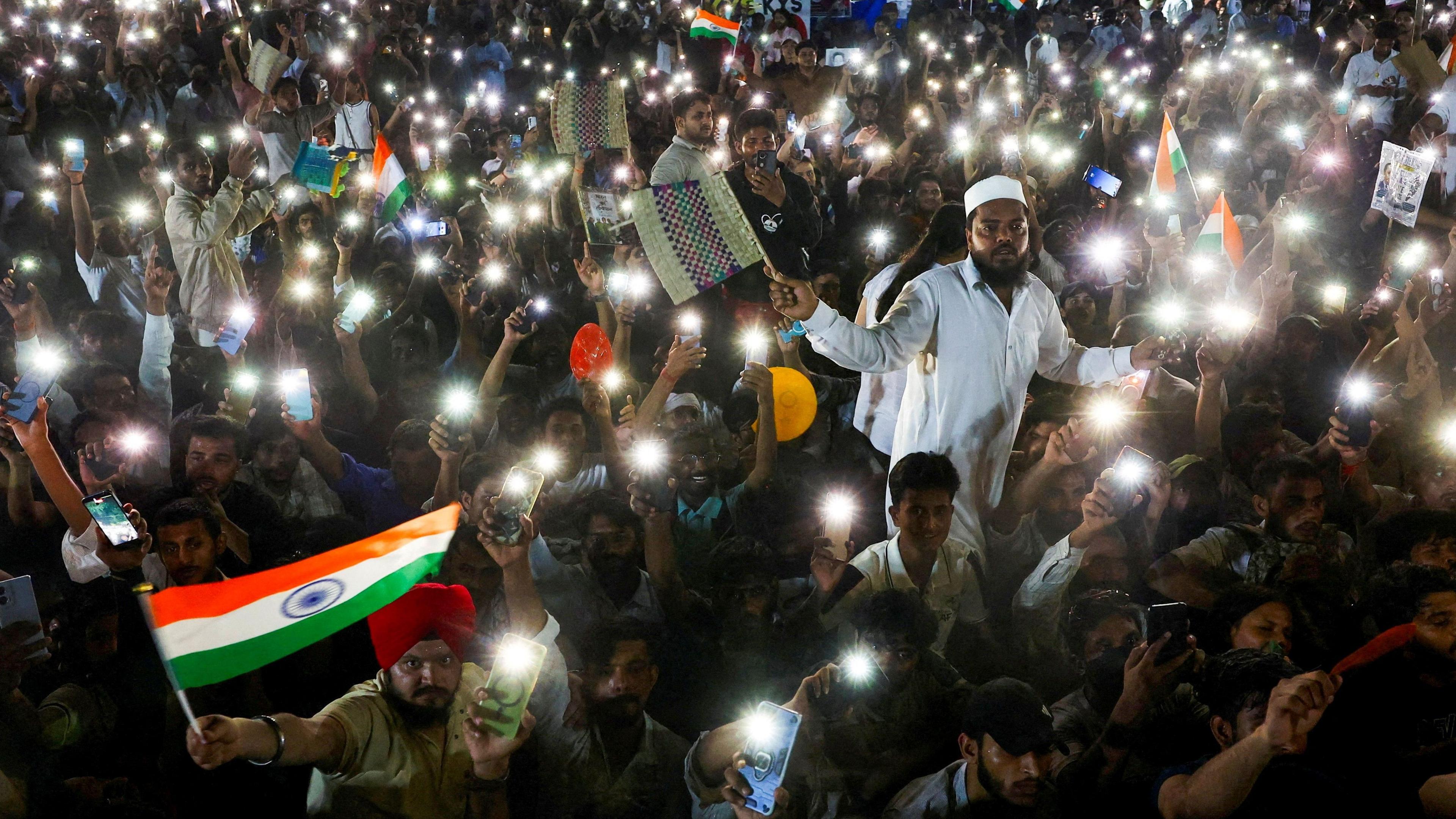
For three decades the tree‑lined road beside Jantar Mantar served as the voice of Delhi’s protest culture, welcoming farmers, students, veterans and citizen activists alike. The recent Delhi Police directive to remove the site from the list of free protest fora follows a wave of high‑profile actions by the Gen Z driven cockroach-janta-party, which forced the resignation of education minister Dharmendra Pradhan and drew police crackdowns. Critics warn that the new alternative venues – the Ramlila Ground and two distant sites – demand costly daily fees and a great distance from Parliament, threatening the accessibility that gave Jantar Mantar its power. A Supreme Court review is pending, while opposition leaders insist the space belongs to the people and will be reclaimed. As Delhi’s political heartbeat slows, the question remains whether the silent road will one day echo with slogans again.
The tree‑lined road outside Delhi’s ancient observatory has long been the city’s living protest archive, a place where petitions and slogans crossed under a canopy of history.
Its proximity to Parliament – just a 3‑kilometre walk – gave claimants the psychological leverage to feel seen by the highest offices, a factor that helped silent voices from the 1980s to the present reach real attention.
In October 2026, Delhi Police declared the area no longer a designated free protest site, a decision framed by a Supreme Court suggestion that new locations with appropriate infrastructure be identified.
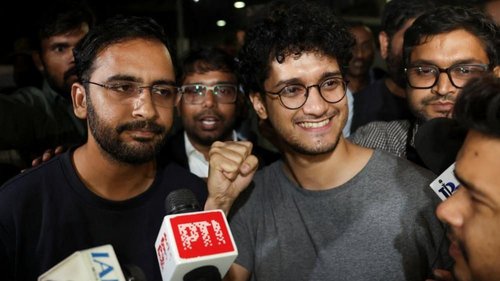
The ruling followed a surge in youth‑led activism, most notably the cockroach-janta-party, a non‑political collective that staged a hunger‑strike and a massive demonstration demanding the resignation of education minister Dharmendra Pradhan. The party’s rapid success triggered police barricades and later a crackdown when participants tried to march again for the election chief.
Critics warn the new alternative venues – the Ramlila Ground and two distant sites – will cost tens of thousands of rupees per day, effectively limiting protest participation to those with urban wealth.
Historically, Jantar Mantar hosted a wide spectrum of protests: from Bhopal gas‑leak survivors who camped there for months in 2008, to veteran soldiers demanding pension reforms in 2015, to the 2006 hunger‑strike of Medha Patkar. Each group benefited from proximity to Westminster‑style venues that attracted media, legislators and the public.
The Supreme Court’s 2017 ruling to close protests due to infrastructure concerns was overturned in 2018, re‑affirming the constitutionally guaranteed right to peaceful assembly. Yet in recent years the police require smokers’ permits and forbid overnight stays, tightening the space’s operation.
The debate has now shifted to a legal front: the Supreme Court is hearing petitions that challenge the removal while opposition leaders, including Rahul Gandhi, declare the protest ground belongs to the people and will be reclaimed.
While Jantar Mantar’s silence grows, the city’s culture of protest has not vanished entirely – farmers occupy Delhi’s borders, women sit in Shaheen Bagh and digital campaigns proliferate online. Still, the physical venue was a unique nexus where words met the reality of the government’s door and could not be quietly replaced.
Will the new rules push protest farther away or spark a new form of civic engagement? Only time will tell, but the historic road’s quiet hum is a stark reminder of how freedom of expression can be contested in the very spaces that shaped it.